
Tag Archives: literature

Rural Flash Fiction for a Five Minute Reading Break

Rural flash fiction gives you a whole story in a brief reading break. A writer working at that length may have room for a single detail to tell you where you are, what the characters value and what could go wrong.

Try a second reading

On the first pass, let the story carry you to the ending. Then return to the first few sentences. Which detail has gained meaning? A title can carry some of that weight, too. Read it again once you know where the story goes.

That second reading can be especially rewarding when the setting is unfamiliar. You may remember one object from the opening and realize that you have learned, without being told directly, why someone is reluctant to touch it or is determined to keep it.

For a quick read, start with “Bat in the Attic” by John Brantingham. Read one piece twice and see what you catch the second time.


If you would like to be part of the Rural Fiction Magazine family, follow this link to the submissions guidelines. 

Please share this post to give it maximum distribution. Exposure is our contributors’ only compensation. Don’t forget to back link to this story.

Financial donations through either our GoFundMe or Buy Me a Coffee accounts will help expand our global reach by paying for advertising, more advanced WordPress plans, and expansion into more extensive Content Delivery Networks.

Folklore in Fiction and the Stories People Retell

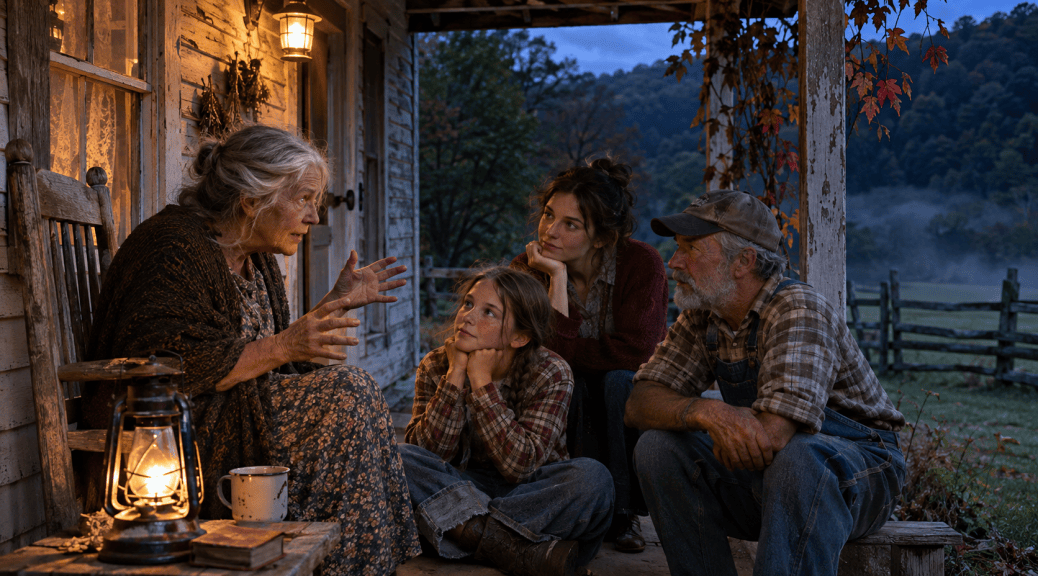
Folklore in fiction often begins with someone who has heard a story before. They may remember a different ending. They may be certain the event happened a generation earlier. A person who insists on telling it their own way gives a writer something to work with.

Listen for the teller

Think of a story told about a house that has stood empty for decades. A child hears a warning about going inside. A neighbor remembers the person who used to live there. Someone who helped build the house wants to know why everyone keeps getting the date wrong. Each version gives the reader a different relationship to the same place.

When a local legend enters a short story, notice who gets to tell it and who interrupts. The interruption might be where the story turns. It might also show which parts of a community’s memory are still open to dispute.

Find your next story in the RFM fiction archive. Is there a local story you’ve heard told two different ways?


If you would like to be part of the Rural Fiction Magazine family, follow this link to the submissions guidelines.

Please share this post to give it maximum distribution. Exposure is our contributors’ only compensation. Don’t forget to back link to this story.

Financial donations through either our GoFundMe or Buy Me a Coffee accounts will help expand our global reach by paying for advertising, more advanced WordPress plans, and expansion into more extensive Content Delivery Networks.

Stories Set in Sumatra and the Sound of Landscape

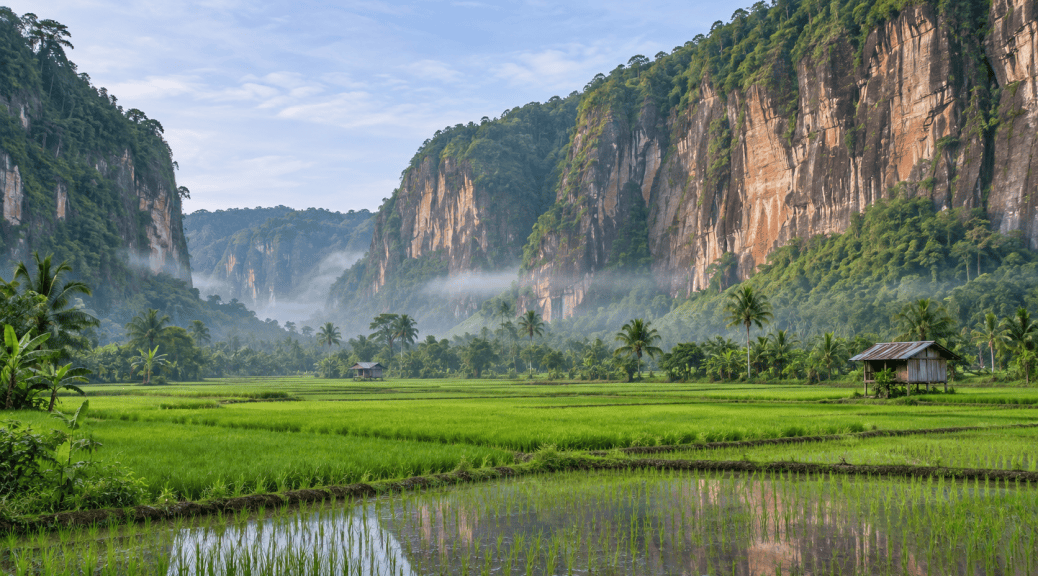
In stories set in Sumatra, the sound of a place can be as telling as its appearance. Consider the landscape of West Sumatra’s Harau Valley. Cliffs rise above cultivated fields. From a distance, the scene invites the eye upward. A reader might also imagine listening from the fields below.

What can a character hear?

Rain on a roof, water running at the edge of a field, or a voice that carries farther than expected can establish where people are in relation to each other. A familiar sound may pass without comment until it stops. A person who has lived there for years might hear a change while a visitor is still taking in the view.

The next time you read a story set somewhere unfamiliar, note the first sound the writer lets you hear. Then notice who recognizes it and what they do. You may learn something about the place before the writer has described much of it at all.

Sumatra is among the settings in our forthcoming fiction. Until then, visit the RFM blog for more reading.


If you would like to be part of the Rural Fiction Magazine family, follow this link to the submissions guidelines.

Please share this post to give it maximum distribution. Exposure is our contributors’ only compensation. Don’t forget to back link to this story.

Financial donations through either our GoFundMe or Buy Me a Coffee accounts will help expand our global reach by paying for advertising, more advanced WordPress plans, and expansion into more extensive Content Delivery Networks.


How Setting Shapes a Short Story

How does setting shape a short story? Try moving a scene in your head. Take a disagreement that happens on a back porch and put it in a shop with three people waiting to pay. Which things can the characters still say aloud? Which things must wait?

Try the change-of-place test

A setting can work on a story through geography, practical obstacles or the presence of other people. A low bridge can determine how soon someone reaches home. A crowded room can turn a question into a public accusation. An unlocked shed can save a person a long walk if they know what’s inside and who owns it.

Next time a story holds your attention, find one detail you would have to preserve if you changed its location. It may be a route, an object or an unwritten rule about whose ground a character is standing on. That detail may explain why the story had to happen there.

Try the exercise with a piece from the RFM fiction archive.


If you would like to be part of the Rural Fiction Magazine family, follow this link to the submissions guidelines.

Please share this post to give it maximum distribution. Exposure is our contributors’ only compensation. Don’t forget to back link to this story.

Financial donations through either our GoFundMe or Buy Me a Coffee accounts will help expand our global reach by paying for advertising, more advanced WordPress plans, and expansion into more extensive Content Delivery Networks.


Short Stories Set in Rural India and the Art of Waiting

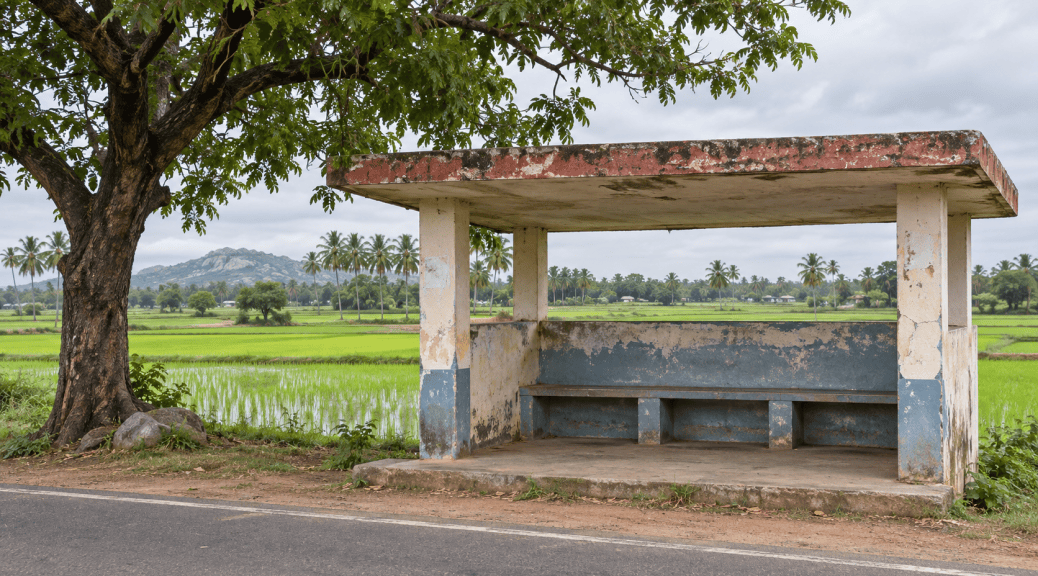
Short stories set in rural India can draw readers into a particular community through a familiar act, such as waiting for a bus. Everyone at a roadside stop has somewhere else to be. For a little while, their separate plans depend on the same vehicle.

A public place with room for private thoughts

A writer can give that wait a dozen meanings. One person knows the driver will slow down if he recognizes someone. Another has allowed plenty of time and keeps checking the road anyway. A third would be glad of a reason to put off the journey. What looks like empty time can give a reader an unusually close view of the people sharing it.

Pay attention to which ordinary details a story makes specific. Who has a seat? Who knows the route by its number and who knows it by where it turns? The answers can make one fictional village feel distinct from the next.

One of the places our forthcoming fiction will take us is India. While you wait, browse the RFM fiction archive.


If you would like to be part of the Rural Fiction Magazine family, follow this link to the submissions guidelines.

Please share this post to give it maximum distribution. Exposure is our contributors’ only compensation. Don’t forget to back link to this story.

Financial donations through either our GoFundMe or Buy Me a Coffee accounts will help expand our global reach by paying for advertising, more advanced WordPress plans, and expansion into more extensive Content Delivery Networks.