
“I commend you, my dear Ida, to almighty God, and entrust you to your Creator. May you rest in the arms of the Lord who formed you from the dust of the Earth. May Holy Mary, the Angels and all the Saints welcome you now that you have gone forth from this life. Amen.”
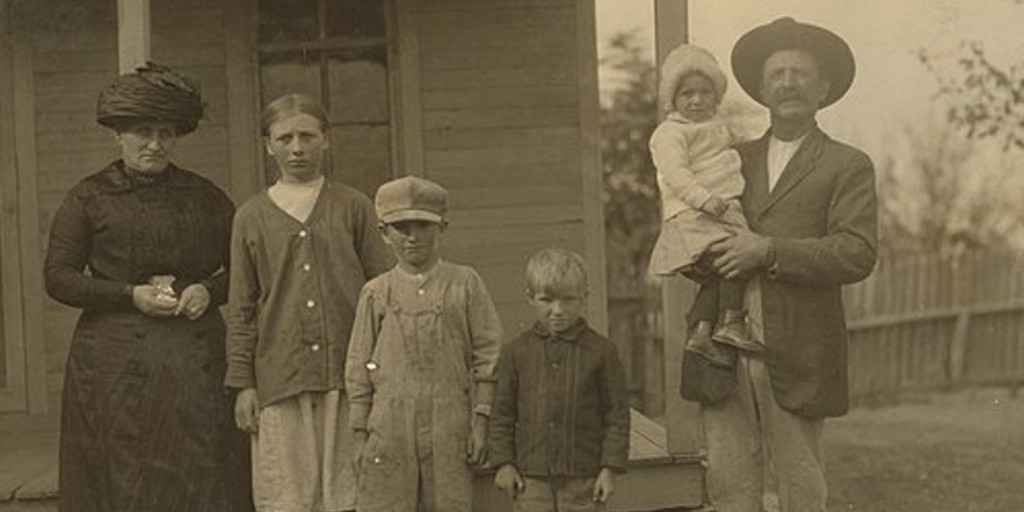
Clarence traced a cross in front of his chest with bony fingers marred by dirt. He stood. Silent. His youngest son Thomas broke the silence with his spade. It pierced the exposed earth, freshly removed from its resting spot. The shovel’s contents dropped onto the makeshift coffin tucked snugly in the shallow grave.
Once the grave had been filled, Anne positioned a wooden cross where the perturbed soil met snow which shielded the remaining desolate farmland from the harsh Dakota winds. Once satisfied with its placement, Anne firmly grasped at the base of where the planks intersected and nodded to Matthew. The eldest child gingerly tapped the underside of his spade atop the cross. His pace and power increased as the cross’s position stabilized. Suddenly, the upper portion of the cross creaked and splintered, shearing off a chunk of wood that tumbled carelessly through the air, landing at Clarence’s feet.
He glanced down at the fragmented wood, his faded blue eyes lingering on it with a look of longing, “We’ll make another tomorrow, the sun is setting.”
His three remaining children began trudging back towards the house. Clarence paused, brushing the hefty coating of snow off the two crosses atop the mounds neighboring his mother’s hastily formed grave.
Otto’s eyes narrowed at the page before him. Satisfied, he clasped the little black notebook closed and returned it to his coat’s inner pocket. He shuddered as his bare, wintry hand stung his stomach.
He glanced at the wagon, speckled with mud clinging desperately to the wood as it sought to unburden itself of the moisture that could prevent its escape from the bleak landscape it had called home for centuries.
Inside was the greatest haul he had seen to date.
Working for the old man who offered loans to those most in need had appealed to him after the war. An opportunity to mend his damaged standing with his Maker. However, collecting payment rarely went as seamlessly as Mr. Vonleigh had advertised.
Now, nearly nine years later, he was no longer concerned with self-preservation. The only thing he prayed for now was the absence of the God to which he directed the prayers. He knew it didn’t make sense. It doesn’t fucking matter, he thought.
He had barely slept since crossing into Dakota. Though whether that was due to his thoughts of escaping to a new life with Mr. Vonleigh’s money or the breath-taking brick wall of a cold front that he had slammed into four days ago, he was unsure.
His maps showed that the Reilly’s house wasn’t far from the Northwest Territories. He could also retrace his steps south to any of the train stations he had passed. East and west were options too, he supposed. For whatever reason, he couldn’t decide. But the money would be sufficient to get him far enough from Mr. Vonleigh to never again hear the name. No matter the direction.
His body convulsed in a shiver, dragging his mind from endless possibilities. He gazed at the vast, never-ending plains coated by a windswept snow shawl. The constant breeze whipped up a fierce, two-foot high drift that nipped between the seams of his too-thin, faded black corduroys. He had become accustomed to it.
After reattaching the horse-cart to Caesar, he stepped into the stirrups and took his position atop the saddle. Gently guiding his white mare, he scanned the plains for signs of the ever-elusive road forward.
Clarence pictured his mother’s body, dead well before its inhabitant. Frail and fragile, he remembered the chill of her touch. It was the same chill he had noticed from Grace as life fled her body. And Arthur. His newborn hands like the paws of a sled dog.
Grace died shortly after Arthur’s birth. Weak from hunger and cold, disease had coursed through her body in hours. Arthur wilted and faded shortly thereafter.
If they could make it to spring, he thought, he could sell everything and move west. He would accept any kind of work. Anything to get his family far from this godforsaken wasteland.
He heard footsteps shuffling towards him. Stopping on the other side of the door, he recognized Thomas’s voice. “Father, there’s a visitor outside.”
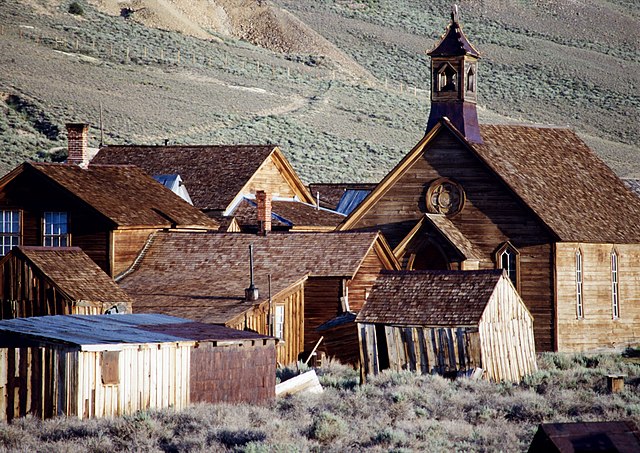
Otto approached the hitch out front of the weary house. It’s weathered brown shade looked out of place amidst the endless gray and white separated only where the land kissed the sky. He pressed his gloved hand beneath his ribs and felt the gun’s icy metal shell against his bare side. A reassuring discomfort.
“Clarence Reilly?” he inquired to the young man standing puzzled and beaten at the door.
“He’s coming,” the boy replied.
“Well, what do ya say we wait inside?”
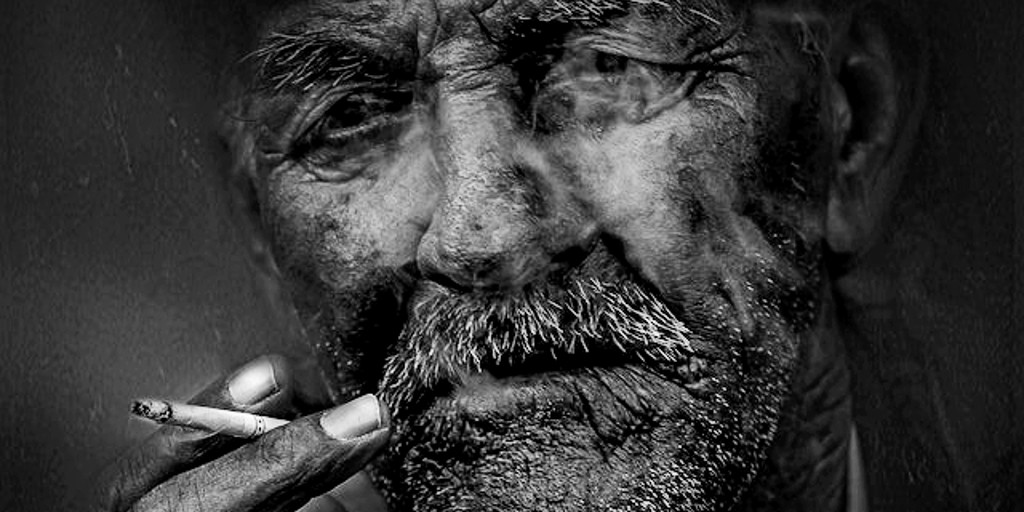
Descending the stairs, Clarence could hear the kitchen floor groan under two sets of footsteps. A weathered man, one with the environment came into view. The skin on his face was raw and red from the prevailing winds. There wasn’t an inch of him left unscathed by the plains’ brutal winter.
“Mornin’,” said the man. He quickly pulled out a golden pocket watch lodged under his coat.
“Oh hell, doesn’t work anyhow,” he said with a chuckle and tossed it, still ajar, on the table beside him.
“Clarence, right? Otto,” he said.
He revealed from beneath his jacket the holstered revolver, stained auburn in places, and dropped it carelessly on the table alongside the watch. He dug deeper under his coat, now pulling out the little black notebook from what seemed to Clarence an abyss in which this gruff, gnarled man stored his life.
Otto opened the notebook, “Clarence, my good man, go ‘head and read those lines at the bottom of the page.”
He turned the book in his gloved hands and pushed it across the table.
“Clarence Reilly. 2 Sturbridge Road, Emerson.”
“Keep goin’.”
“Four thousand and five hundred dollars.”
Otto sat back satisfied, “Got it or no?”
Clarence shook his head no.
Otto screeched the legs of his chair back, ignoring the protesting wood floor, and rose. He wandered slowly around the kitchen like a zoo animal new to its cage.
“Children, go upstairs,” he heard Clarence say, “go on run along.” They left.
“Were you in the war Clarence?”
This time Clarence nodded his head in the affirmative.
“Me too. That fightin’ was bad business.”
Clarence repeated his previous response.
Otto pressed his rear end against the counter in front of the sink, “I’m here on account of Mr. Vonleigh. Your payment is overdue and I’m here to collect. Now, you got any money we can work with?”
“’Fraid not.”
“Says here you needed it to start a cattle farm,” Otto said, his tone sharp now. Having removed one glove, he pointed with his middle finger at the notebook, nubs where his index finger and thumb should have been.
He turned back and pointed out the small window above the sink, “I don’t see any goddamn—” his suddenly bellowing voice cut off. Otto’s head pointed in the direction of the three makeshift crosses stuck into slightly raised mounds. The snow there was not as plentiful, “—cattle,” he finished, in nearly a whisper.
Otto’s arm lingered outstretched, his remaining index finger pointing to the vast swathe of land, plain and uneventful, outside of the house. Clarence’s eyes darted to the gun. His right hand instinctively jumped off his knee and lunged forward. But he stopped. He gazed down, his own hand unrecognizable. He stood. Approaching Otto, he pretended not to realize what the man was looking at.
“There was cattle. See that splintered fence there?” now directing Otto’s gaze with his own finger, “that used to circle ‘round that tree and back to the barn.”
His hand pointed to a patch of emptiness, “Had to use the wood for fire.”
Clarence moved his finger to the right, “Over there was corn, then back behind that was barley and lentils. On this side of the house,” he continued, shifting his extended arm towards the wall further to his right “was sugar beets and peas.”
Finally his hand dropped down beside him, “and out front was a whole bunch of wheat,” he finished.
“Well what happened?” Otto asked, finally finding his voice.
“The goddamned bugs,” replied Clarence.
Otto had heard about them. Swarms of locusts had invaded towns in Minnesota, Nebraska, Kansas, and apparently, the Dakota Territory. A white blanket would descend suddenly, blackening the sunlight and destroying every crop in its path.
A man he had fought in the war beside once paid him to fetch ingredients to create a poison that would kill the bugs. So he said, at least. The man couldn’t do it himself on account of having both his legs blown off during the second battle of Bull Run, so Otto did it. The bugs never came.
Clarence went on, “It was only our second harvest year. They destroyed everything.”
The two men were back in their original positions at the table. Clarence seemed more animated now. Less pitiful, Otto thought.
“Soil’s completely ruined. We ate all the cattle already,” Clarence paused before adding “should’ve held off a bit longer.”
Again, they sat in silence. Eventually, Otto pointed to the window above the sink, “Wife and kids?” he asked.
“Wife and kid. Mother was just yesterday.”
“Shit.”
“Drink, Mr. Reilly?” Otto asked, pulling a beaming silver flask from his jacket. It was the only thing on him untouched by the elements.
Clarence shook his head no.
Otto shrugged and put it to his lips. He drank. When he had upended the flask he let out an audible exhale. Tucking it back into the jacket’s void he looked to Clarence, “Well, best be off,” he said simply.
Clarence watched in awe, as one by one the pocket watch, the notebook, and finally the revolver were returned beneath the coat.
Otto looked at him, “Take care of what’s left of ya’ll.”
Clarence could only nod.
Otto paused at the door, “Hey, which side you fight for?” he asked.
Clarence hesitated, “Ya know what? Don’t answer that,” Otto said suddenly, “doesn’t fucking matter.” He chuckled grimly and left.
Clarence ran to the stairs and called to the children. They scurried down anxiously, relieved that the intruder had gone.
“It’s alright. We’re lucky this time. First time in a while, eh?” he smiled. His children returned the grin. Clarence couldn’t remember the last time he had seen them smile. He instructed his eldest to gather wood from the front.
Suddenly he heard Anne’s voice coming from the window, “Father, the man left his wagon.”
Clarence and his children ran out the front door and down the sloppy path leading to the horse-cart that lay on the ground. Matthew threw open the cover, revealing bills stacked nearly to the top.
The children scrambled and gathered pile upon pile, but Clarence walked further down the path, as if uninterested in the bills in danger of being whisked away by the wind. He could make out the stranger as a fading spec atop his white mare. He watched for minutes until that spec became engulfed by the vast sea of nothing.
“Father,” Matthew’s touch startled Clarence. He wasn’t sure how long he had been standing there. Tears streamed down Matthew’s face, “It’s twenty thousand dollars.” His voice was quivering so severely that he could hardly get the words out.
Clarence looked back and watched the other children dance, waving their emaciated bodies rhythmically beside the carriage. Clarence felt a wave of emotion hit him. He closed his eyes. The three crosses atop the mounds out back seared his mind. Otto’s right, he thought, it doesn’t fucking matter.
Patrick Clancy-Geske is a writer for a market research firm based in Massachusetts, where he lives with his partner Emma, their dog Korra, and cat Miel. You can find other pieces of Patrick’s work here https://vocal.media/authors/patrick-clancy-geske.
If you would like to be part of the Rural Fiction Magazine family, follow this link to the submissions guidelines. If you like contemporary dark fiction and poetry, you may also want to check out The Chamber Magazine.
Please repost this to give it maximum distribution.