Tag Archives: United States

“The Gift of the Magi” Fiction by O. Henry (1905)

One dollar and eighty-seven cents. That was all. And sixty cents of it was in pennies. Pennies saved one and two at a time by bulldozing the grocer and the vegetable man and the butcher until one’s cheeks burned with the silent imputation of parsimony that such close dealing implied. Three times Della counted it. One dollar and eighty-seven cents. And the next day would be Christmas.

There was clearly nothing to do but flop down on the shabby little couch and howl. So Della did it. Which instigates the moral reflection that life is made up of sobs, sniffles, and smiles, with sniffles predominating.

While the mistress of the home is gradually subsiding from the first stage to the second, take a look at the home. A furnished flat at $8 per week. It did not exactly beggar description, but it certainly had that word on the lookout for the mendicancy squad.

In the vestibule below was a letter-box into which no letter would go, and an electric button from which no mortal finger could coax a ring. Also appertaining thereunto was a card bearing the name “Mr. James Dillingham Young.”

The “Dillingham” had been flung to the breeze during a former period of prosperity when its possessor was being paid $30 per week. Now, when the income was shrunk to $20, though, they were thinking seriously of contracting to a modest and unassuming D. But whenever Mr. James Dillingham Young came home and reached his flat above he was called “Jim” and greatly hugged by Mrs. James Dillingham Young, already introduced to you as Della. Which is all very good.

Della finished her cry and attended to her cheeks with the powder rag. She stood by the window and looked out dully at a gray cat walking a gray fence in a gray backyard. Tomorrow would be Christmas Day, and she had only $1.87 with which to buy Jim a present. She had been saving every penny she could for months, with this result. Twenty dollars a week doesn’t go far. Expenses had been greater than she had calculated. They always are. Only $1.87 to buy a present for Jim. Her Jim. Many a happy hour she had spent planning for something nice for him. Something fine and rare and sterling—something just a little bit near to being worthy of the honor of being owned by Jim.

There was a pier glass between the windows of the room. Perhaps you have seen a pier glass in an $8 flat. A very thin and very agile person may, by observing his reflection in a rapid sequence of longitudinal strips, obtain a fairly accurate conception of his looks. Della, being slender, had mastered the art.

Suddenly she whirled from the window and stood before the glass. Her eyes were shining brilliantly, but her face had lost its color within twenty seconds. Rapidly she pulled down her hair and let it fall to its full length.

Now, there were two possessions of the James Dillingham Youngs in which they both took a mighty pride. One was Jim’s gold watch that had been his father’s and his grandfather’s. The other was Della’s hair. Had the queen of Sheba lived in the flat across the airshaft, Della would have let her hair hang out the window some day to dry just to depreciate Her Majesty’s jewels and gifts. Had King Solomon been the janitor, with all his treasures piled up in the basement, Jim would have pulled out his watch every time he passed, just to see him pluck at his beard from envy.

So now Della’s beautiful hair fell about her rippling and shining like a cascade of brown waters. It reached below her knee and made itself almost a garment for her. And then she did it up again nervously and quickly. Once she faltered for a minute and stood still while a tear or two splashed on the worn red carpet.

On went her old brown jacket; on went her old brown hat. With a whirl of skirts and with the brilliant sparkle still in her eyes, she fluttered out the door and down the stairs to the street.

Where she stopped the sign read: “Mme. Sofronie. Hair Goods of All Kinds.” One flight up Della ran, and collected herself, panting. Madame, large, too white, chilly, hardly looked the “Sofronie.”

“Will you buy my hair?” asked Della.

“I buy hair,” said Madame. “Take yer hat off and let’s have a sight at the looks of it.”

Down rippled the brown cascade.

“Twenty dollars,” said Madame, lifting the mass with a practised hand.

“Give it to me quick,” said Della.

Oh, and the next two hours tripped by on rosy wings. Forget the hashed metaphor. She was ransacking the stores for Jim’s present.

She found it at last. It surely had been made for Jim and no one else. There was no other like it in any of the stores, and she had turned all of them inside out. It was a platinum fob chain simple and chaste in design, properly proclaiming its value by substance alone and not by meretricious ornamentation—as all good things should do. It was even worthy of The Watch. As soon as she saw it she knew that it must be Jim’s. It was like him. Quietness and value—the description applied to both. Twenty-one dollars they took from her for it, and she hurried home with the 87 cents. With that chain on his watch Jim might be properly anxious about the time in any company. Grand as the watch was, he sometimes looked at it on the sly on account of the old leather strap that he used in place of a chain.

When Della reached home her intoxication gave way a little to prudence and reason. She got out her curling irons and lighted the gas and went to work repairing the ravages made by generosity added to love. Which is always a tremendous task, dear friends—a mammoth task.

Within forty minutes her head was covered with tiny, close-lying curls that made her look wonderfully like a truant schoolboy. She looked at her reflection in the mirror long, carefully, and critically.

“If Jim doesn’t kill me,” she said to herself, “before he takes a second look at me, he’ll say I look like a Coney Island chorus girl. But what could I do—oh! what could I do with a dollar and eighty-seven cents?”

At 7 o’clock the coffee was made and the frying-pan was on the back of the stove hot and ready to cook the chops.

Jim was never late. Della doubled the fob chain in her hand and sat on the corner of the table near the door that he always entered. Then she heard his step on the stair away down on the first flight, and she turned white for just a moment. She had a habit of saying a little silent prayer about the simplest everyday things, and now she whispered: “Please God, make him think I am still pretty.”

The door opened and Jim stepped in and closed it. He looked thin and very serious. Poor fellow, he was only twenty-two—and to be burdened with a family! He needed a new overcoat and he was without gloves.

Jim stopped inside the door, as immovable as a setter at the scent of quail. His eyes were fixed upon Della, and there was an expression in them that she could not read, and it terrified her. It was not anger, nor surprise, nor disapproval, nor horror, nor any of the sentiments that she had been prepared for. He simply stared at her fixedly with that peculiar expression on his face.

Della wriggled off the table and went for him.

“Jim, darling,” she cried, “don’t look at me that way. I had my hair cut off and sold because I couldn’t have lived through Christmas without giving you a present. It’ll grow out again—you won’t mind, will you? I just had to do it. My hair grows awfully fast. Say ‘Merry Christmas!’ Jim, and let’s be happy. You don’t know what a nice—what a beautiful, nice gift I’ve got for you.”

“You’ve cut off your hair?” asked Jim, laboriously, as if he had not arrived at that patent fact yet even after the hardest mental labor.

“Cut it off and sold it,” said Della. “Don’t you like me just as well, anyhow? I’m me without my hair, ain’t I?”

Jim looked about the room curiously.

“You say your hair is gone?” he said, with an air almost of idiocy.

“You needn’t look for it,” said Della. “It’s sold, I tell you—sold and gone, too. It’s Christmas Eve, boy. Be good to me, for it went for you. Maybe the hairs of my head were numbered,” she went on with sudden serious sweetness, “but nobody could ever count my love for you. Shall I put the chops on, Jim?”

Out of his trance Jim seemed quickly to wake. He enfolded his Della. For ten seconds let us regard with discreet scrutiny some inconsequential object in the other direction. Eight dollars a week or a million a year—what is the difference? A mathematician or a wit would give you the wrong answer. The magi brought valuable gifts, but that was not among them. This dark assertion will be illuminated later on.

Jim drew a package from his overcoat pocket and threw it upon the table.

“Don’t make any mistake, Dell,” he said, “about me. I don’t think there’s anything in the way of a haircut or a shave or a shampoo that could make me like my girl any less. But if you’ll unwrap that package you may see why you had me going a while at first.”

White fingers and nimble tore at the string and paper. And then an ecstatic scream of joy; and then, alas! a quick feminine change to hysterical tears and wails, necessitating the immediate employment of all the comforting powers of the lord of the flat.

For there lay The Combs—the set of combs, side and back, that Della had worshipped long in a Broadway window. Beautiful combs, pure tortoise shell, with jewelled rims—just the shade to wear in the beautiful vanished hair. They were expensive combs, she knew, and her heart had simply craved and yearned over them without the least hope of possession. And now, they were hers, but the tresses that should have adorned the coveted adornments were gone.

But she hugged them to her bosom, and at length she was able to look up with dim eyes and a smile and say: “My hair grows so fast, Jim!”

And then Della leaped up like a little singed cat and cried, “Oh, oh!”

Jim had not yet seen his beautiful present. She held it out to him eagerly upon her open palm. The dull precious metal seemed to flash with a reflection of her bright and ardent spirit.

“Isn’t it a dandy, Jim? I hunted all over town to find it. You’ll have to look at the time a hundred times a day now. Give me your watch. I want to see how it looks on it.”

Instead of obeying, Jim tumbled down on the couch and put his hands under the back of his head and smiled.

“Dell,” said he, “let’s put our Christmas presents away and keep ’em a while. They’re too nice to use just at present. I sold the watch to get the money to buy your combs. And now suppose you put the chops on.”

The magi, as you know, were wise men—wonderfully wise men—who brought gifts to the Babe in the manger. They invented the art of giving Christmas presents. Being wise, their gifts were no doubt wise ones, possibly bearing the privilege of exchange in case of duplication. And here I have lamely related to you the uneventful chronicle of two foolish children in a flat who most unwisely sacrificed for each other the greatest treasures of their house. But in a last word to the wise of these days let it be said that of all who give gifts these two were the wisest. Of all who give and receive gifts, such as they are wisest. Everywhere they are wisest. They are the magi.


William Sydney Porter (September 11, 1862 – June 5, 1910), better known by his pen name O. Henry, was an American writer known primarily for his short stories, though he also wrote poetry and non-fiction. His works include “The Gift of the Magi“, “The Duplicity of Hargraves“, and “The Ransom of Red Chief“, as well as the novel Cabbages and Kings. Porter’s stories are known for their naturalist observations, witty narration, and surprise endings.

From Wikipedia


This ebook is for the use of anyone anywhere in the United States and most other parts of the world at no cost and with almost no restrictions whatsoever. You may copy it, give it away or re-use it under the terms of the Project Gutenberg License included with this ebook or online at www.gutenberg.org. If you are not located in the United States, you will have to check the laws of the country where you are located before using this eBook.


Image generated by AI
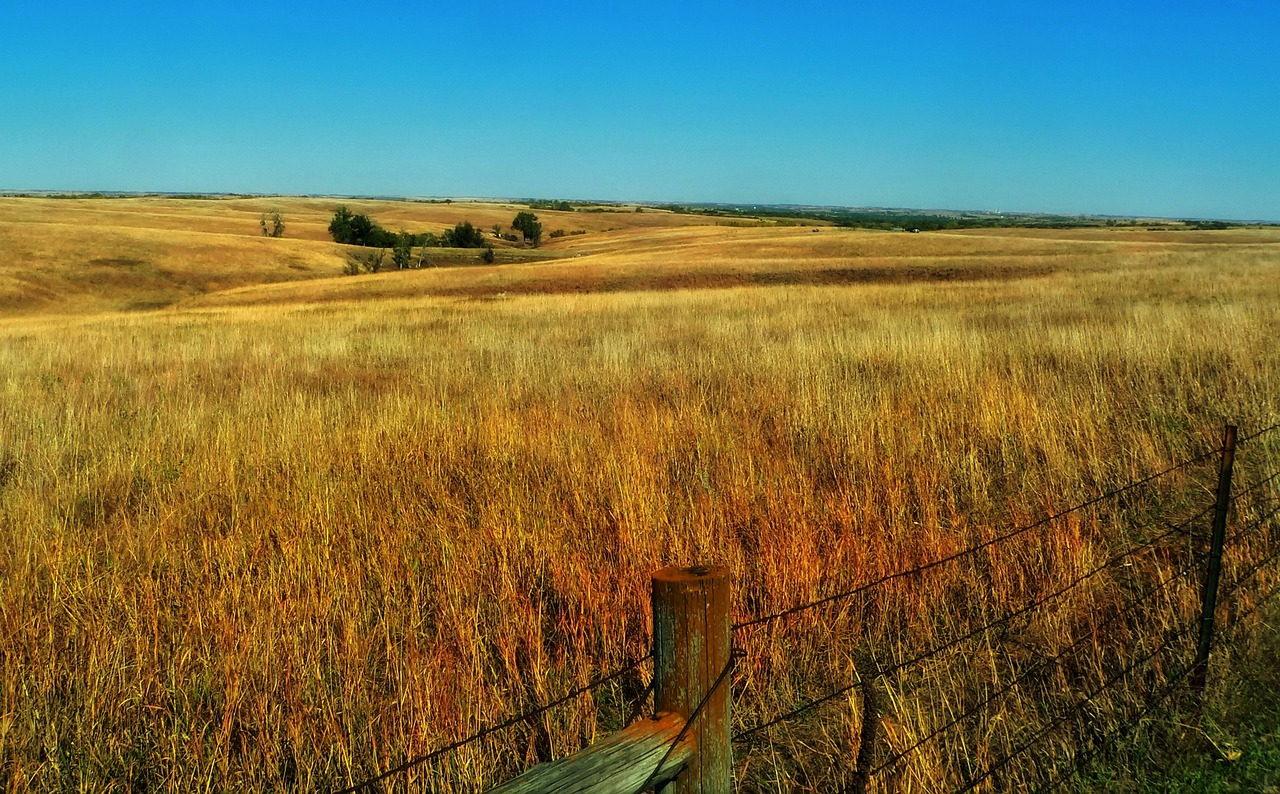

“Windswept Plains” Fiction by Terry Sanville

"Windswept Plains" Fiction by Terry Sanvillle

The sun shone through the side window and caught her full in the face. Marilyn rubbed her eyes and sat up. The car’s stuffy interior stank of baby poop. She checked the back. Ethan dozed in his car seat, his perfect little chin resting on his chest. She covered his bare arms with the blanket, smoothed his hair, pushed the Chevy’s door open and pulled herself up, wobbling. Sometime during the night when the moon went down, she had edged the car off the two-lane highway into the darkness. Now, in the dawn’s glare she found herself on a gravel turnout, surrounded by an ocean of Nebraska corn.

Closing the door quietly, she moved into the field, squatted, and peed. With only blackbirds and crows watching, she dug the compact out of her purse and stared at her face, red from half-a-continent’s-worth of windburn. Somewhere west of Philly, the car’s AC had quit. The summer heat had turned her peach-fuzzed cheeks into leather. She pulled a comb through her bobbed blonde hair and turned slowly to study the countryside. Except for a few pump sheds, the rolling plains held no shelter. A smudge of brown smoke hung above the closest rise. She sucked in a deep breath and let it out slowly. A pickup truck pulling a tractor on a flatbed drove past. It slowed for a moment, but kept moving and disappeared over the horizon. 

…no cities…no yammering…just sun and the wide open…should’ve done this months ago…had Ethan in some farmhouse with only the old women watching…

Her son’s high-pitched squeal broke her reverie. At the car, she found him wide-eyed and flailing. She opened all the doors to air out the Chevy, changed his diaper and cleaned him with baby wipes before burying the smelly mess under dirt clods at the edge of the field. She unbuttoned her blouse to nurse. His body felt soft against hers, heart beating with a reassuring rhythm. Her muscles relaxed, the tenseness replaced with a warm glow. The silence returned, the tarmac empty of traffic. The heat came on strong. As her baby fed, Marilyn hummed a childhood song and fanned him with a folded newspaper that pictured a longhaired brunette version of herself.

With Ethan strapped in his seat, she collected her cigarettes and lighter and stepped outside. She never smoked in any space with Ethan; it might be too late for her but the child deserved a chance. She stared into the fields and thought about the past week: emptying their bank account, buying a used car, listening to TV news in that sleaze-bag motel room, and hardening her heart.

A flock of blackbirds exploded from the greenery. The cornstalks jerked along two rows. Something charged toward her, coming on fast. Marilyn flicked the cigarette to the gravel, hustled inside, and locked the car doors. She fumbled in her purse for the key, inserted it in the ignition and twisted, grinding the starter. But the tired engine wouldn’t fire. A girl clutching a fist-sized rock burst from the field and rushed the Chevy. She halted in front of the car and placed a hand on its hood, her chest heaving. She looked maybe sixteen, well developed, with shoulder-length hair the color of corn silk.

“Stop,” the girl ordered, “or I’ll break your fuckin’ windshield.” She raised the rock above her head.

Marilyn grasped the steering wheel with both hands and squeezed her eyes shut.

…it always finds me…I never get away clean…like a shadow I can’t ever shake…

She raised her head and studied the girl: ragged jeans, a faded pink T-shirt, a pretty dirt-smudged face punctuated with freckles. Marilyn reached inside her purse and grasped the pistol. It felt slippery in her clammy hand, like the last time she’d used it. She unlocked her door and climbed out, held the gun at her side, and moved toward the girl.

The teenager backed away and dropped the rock, stared at the pistol then at her filthy bare feet. She drew a forearm under her runny nose. “Look, I…I didn’t mean nothin’…wasn’t gonna hurt you.”

“What the hell are you doing out here?” Marilyn’s voice shook and sounded way too loud.

The girl shrugged.

“What do you want?”

“Water…and maybe a ride.”

“Are you from around here? What’s your name?”

“Lyn.”

“Lyn what?”

“You don’t need ta know.”

Marilyn paused and stared into the girl’s blue-flecked-with-gold eyes. She slipped the pistol back into her purse. “Come on, I’ve got some water in the cooler.”

Lyn flashed a smile before resuming her sullen pout. Marilyn opened the rear door.  Ethan let out a howl. She lifted him into her arms then handed the girl a water bottle, watched her chug its contents. She passed her a roll of paper towels. Lyn doused her face liberally and scrubbed at it until her cheeks turned pink, as if they’d been slapped. The water drenched her T-shirt. She didn’t wear a bra. The baby stared unblinking at the girl. She reached a hand toward him but Marilyn pulled him away.

“How long have you been out here?”

“Long enough,” the girl said

“You’re not gonna tell me much, are you?”

Lyn grinned.

Marilyn opened the passenger-side door and motioned for her to sit. She placed Ethan in his car seat, slid behind the wheel, and gazed westward through the bug-stained windshield. She knew that she was too much of an adult for some freaked-out teenager to open up to. Still, she tried.

“Does your family live around here?”

“Yeah, well…they did.”

“Do you have brothers or sisters?”

“Nah, but I always wanted ’em. My parents stopped with me. I guess they quit while they were…behind.” The girl’s mouth tightened and she looked away. Marilyn paused in her questioning, then changed the subject.

“What happened to your shoes?”

“Lost ’em.”

“I’ve got some flip-flops in the back you can have.”

“Thanks. You got a cigarette?”

“Yes, but you can’t smoke in the car…it’s bad for the baby.”

“Right.”

 The silence built between them. The girl seemed to study the littered front seat. She grabbed the newspaper wedged next to the center console, unfolded its front page, then stared at Marilyn. Ethan cut loose with a string of baby sounds.

Lyn muttered, “That’s about the only age guys are lovable.”

“What are you talking about?”

Lyn pointed to the newspaper with its black headlines – Woman Wanted for Killing Husband, Flees With Baby Boy. “That’s you. You know what I’m talkin’ about. That’s why you’re on this back road to nowhere.”

… shit, what do I do now? Damn teenagers can’t keep secrets…

Marilyn reached into her purse. It would be easy: order the girl out, march her into the field, put a bullet in the back of her head and let the harvesters chew up her rotting remains. They stared at each other. The girl looked ready to bolt, her goose-bumped arms trembling, arms with dark bruises around the wrists and above the elbows, hands with broken nails and bloodied knuckles.

Marilyn let out a deep breath. “So, am I going to find your story on a front page somewhere?”

“Yeah, maybe…but not for awhile. We’re in the middle of frickin’ nowhere, ya know.”

“Yes, I’m counting on that. So, are you gonna tell me?”

“No…well, maybe later. We need to get movin’.”

“Why would I take you with me? Why would you want to travel with a…”

“You’ll need help drivin’…and I look like I could be your daughter, or maybe a younger sister. The cops will be lookin’ for you with your kid – not a threesome. The same’s true for me.”

Marilyn smiled. “You have it all figured out, don’t you?”

“I didn’t…until now. We need to make it to the coast, to some big city, and get lost.”

“Really? Then what?”

“Hey, just get me there and I’ll find somebody to hook up with.”

“I’m sure you will,” Marilyn said and turned the key. The car started without hesitation. She checked on Ethan then pulled onto the shimmering blacktop. They drove into the empty morning with sunburnt arms resting on windowsills, the plains a blur of green and gold. A strong headwind buffeted the sedan and Marilyn concentrated on driving while Lyn slept.

…this actually might work…at least get us to the coast…there’s something about her I don’t like…but hey, killers can’t be choosers…

Near noon, Marilyn pulled the car next to a single gas pump outside some kind of country store with neon beer signs flickering in its windows. Lyn continued to snore. Ethan slept. She climbed out and stretched, staring all the while at her two passengers. Neither moved. A hand-lettered sign attached to a pole read, “Pay befor U Pump.” She pushed into the store, the AC chilling her bare arms and legs, waking her, setting her on edge. A fat man sat in a cushioned chair behind the counter, watching a TV soap. He stared at her. His gaze fixed on her breasts for a few long moments before he resumed his television ogling.

“Give me yer money first before ya pump gas,” he said without looking at her. “No offence, lady, but I get too many fools tryin’ ta rip me off.”

“I understand. I also need to get something to eat. Do you have a restroom?”

“Yeah, outside and around back. Sorry ’bout the mess.”

Marilyn nodded and wandered into the store’s dark interior. A bar stretched along its back wall. But by the look of the dust-covered counter and empty bottle shelves, it hadn’t seen patrons for a long time. Rows of supplies on folding tables occupied the space. A bank of rumbling wall coolers full of beer and soft drinks filled a sidewall. She grabbed two bags of chips, a six-pack of soda, two packaged fruit pies, and a few candy bars and laid them on the counter along with three crisp twenties.

“I’ll be back in for the change,” she said, “and I’ll need some ice for my cooler.”

“It’s around the side,” he gestured. “Look, ma wife is making lunch in back. She can fix ya some sandwiches if ya want. Cost three dollars apiece.”

“No, but thanks for the offer.”

Marilyn moved to the entrance then froze. The Chevy’s front and rear doors on the passenger side stood open. The girl and Ethan were gone. She rushed outside, gazed up and down the highway and at the nearby crossroad with its rusting stop signs. The road stood empty of cars and people. She hurried around the corner of the building and almost collided with Lyn. The girl cradled Ethan in her arms, the baby pressed against her breasts.

“What the hell are you doing?” Marilyn yelled.

“Hey, shut up, will ya. I just got the little guy quieted down. I think the heat was gettin’ to ’im so I brought ’im into the shade.”

Marilyn’s heart slammed against her chest. She forced herself to slow her breathing and waited for the fear to subside. “Sorry. Thanks…thanks for watching after him.”

The girl grinned and rocked Ethan gently. “He wants ta nurse. No luck here.”

“Yes, if you would pump the gas and get some ice, I’ll feed him. I’ve already given the guy inside three twenties for fuel and food.”

“No problem.”

Lyn sauntered over to the ice machine, yanked a ten-pound sack from its smoking interior, and disappeared around the corner. Marilyn retreated deeper into the shade and nursed her hungry baby. The calm returned. She felt relieved, and grateful for Lyn’s help.

…at least she doesn’t treat him like a doll…maybe I can trust her…but not yet…let’s see how she does with the change…

Marilyn imagined the proprietor’s reaction when the braless teenager pushed through his dirt-smudged door. For a fleeting moment she felt concern and patted her purse, reassured by the feel of the gun. In a short while, Lyn returned.

“Everything go okay?” Marilyn asked.

“Oh yeah. That frickin’ letch behind the counter was gonna make a move. But lucky for him, his wife came out from the back. Here’s your change. The car’s gassed and I checked the water and oil. She’s down half a quart, but you can wait ’til the next fill-up.”

“Thanks. You did good, and sorry I didn’t tell you about that creep.”

Lyn gazed at Marilyn nursing.  “Does…does that make ya feel good?”

Marilyn smiled. “Yes, it’s almost like I’m high. Calms me right down, just like Ethan.”

“Have you ever given the kid, ya know, formula from a bottle?”

“Sometimes. But it’s not as good for him.”

“Yeah, that’s what my health class teacher told us. Sorry I can’t help ya.”

“Don’t worry. With your looks, you’ll be pregnant soon enough.”

Lyn brayed loudly. “My mama always said the same damn thing.”

Ethan had finished nursing and dozed in her arms. After burping him, she slid him into the car seat and slipped behind the wheel. Lyn had washed the windshield and thrown away the crap littering the front seat. The girl opened cans of soda and a bag of chips.

“You want me to take her for awhile?” Lyn asked. “Ya know, I’ve been drivin’ since I was fourteen.”

“Not yet. Maybe after our next stop.”

With the car’s sun visors lowered, she drove into the shimmering heat and wind. Golden grain fields had replaced the corn and the land flattened even more below a cobalt-blue sky with mashed potato clouds pushing up on the western horizon. Sometime in the late afternoon, she pulled the car off the highway near a deep gully and an under-road culvert. She unfastened her seatbelt and opened the door.

Lyn stirred. “Why…why’d ya stop?”

“I have to pee. Watch Ethan till I get back, then you can go.”

“There’s nobody out here. Relax.” Lyn leaned her head back and closed her eyes.

Punch drunk from hours of driving, Marilyn grabbed the car keys and her purse and climbed out. She took a dozen steps and turned to stare at the girl and Ethan, motionless in their seats. She walked to the ravine and slid down its bank. Out of sight of the highway, she pushed her panties down and squatted. The wind blowing through the culvert howled like a banshee. A shadow fell across the gully. She jerked to her feet and turned just in time to see Lyn charge down the bank and snag her purse.

“What the hell…” Marilyn croaked.

Lyn reached into the purse and withdrew the pistol and Marilyn’s wallet. She thumbed the half-inch-thick sheaf of bills.

“So now you’re gonna rob me?” Marilyn asked, her face burning.

“Not exactly.” Lyn grasped the pistol at arm’s length and pointed it at Marilyn. “My plans have changed. A teenage mom with a kid is an even better cover…and your money will help me disappear.”

“But the cops could think you’re me.”

“Give me a fucking break,” Lyn snapped. “We don’t look that much alike.”

“I was only trying to help you.”

“Yeah, then why the gun?” Lyn laughed. “Turns out, you had a good reason for carryin’ it. Ironic, huh?” She sighted down the barrel.

“Please…please don’t. Please…my child…” Marilyn backed toward the culvert, stumbling over the uneven ground.

“Quit whinin’. You sound just like my Pop…my mama had more guts.”

A solitary semi roared past on the highway above them. Not even the crows heard the pistol’s crack. And the coyotes that crept from the fields near sundown seemed to enjoy their unexpected feast.


Terry Sanville lives in San Luis Obispo, California with his artist-poet wife (his in-house editor) and two plump cats (his in-house critics). He writes full time, producing short stories, essays, and novels. His short stories have been accepted more than 500 times by journals, magazines, and anthologies including The American Writers Review, The Bryant Literary Review, and Shenandoah. He was nominated three times for Pushcart Prizes and once for inclusion in Best of the Net anthology. Terry is a retired urban planner and an accomplished jazz and blues guitarist – who once played with a symphony orchestra backing up jazz legend George Shearing.