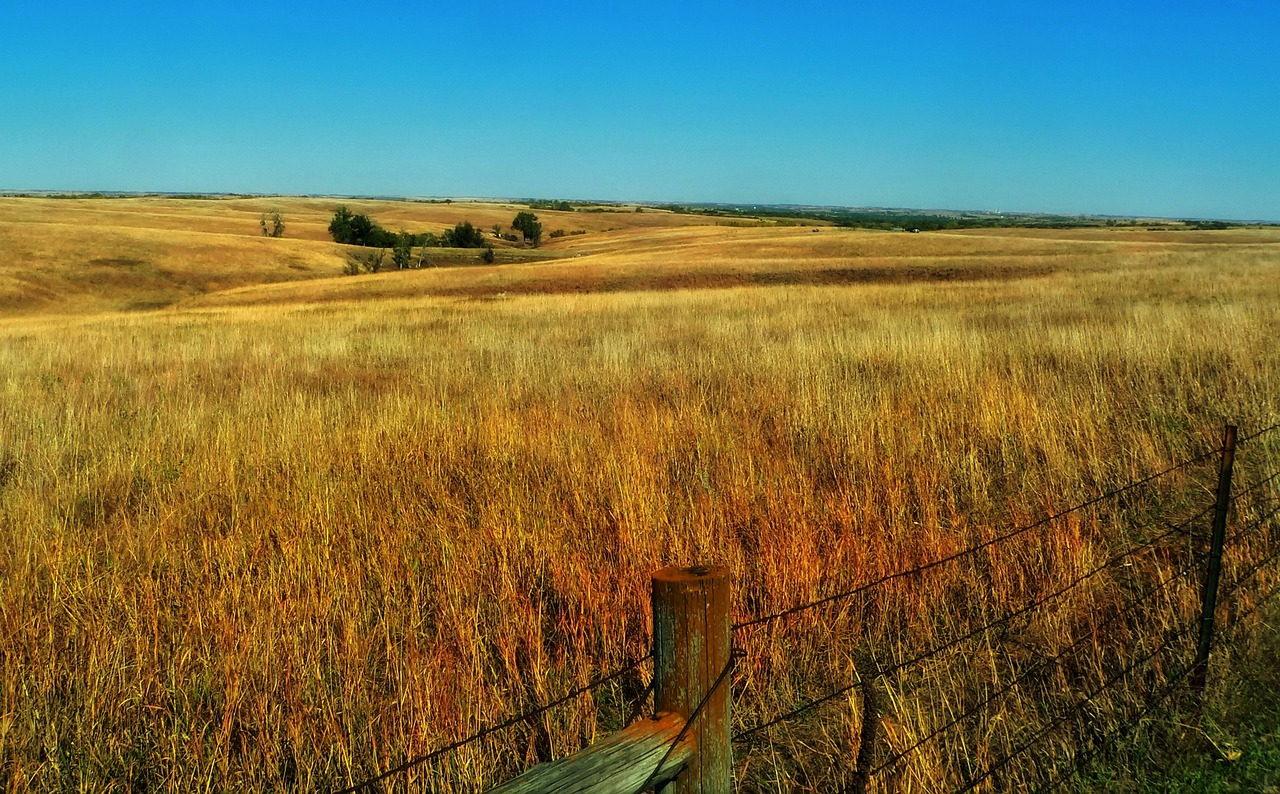
Five Poems by Gale Acuff

Five Poems by Gale Acuff
Just when you think you're dead you're not--you're up
 
in Heaven or down in Hell, eternal
life is what it is in either place swears
my Sunday School teacher, she's 25,
old enough to know or to know better
I guess and I'm only 10, I don't know
beans but I do know that I like living
and I don't want to die but I have to,
it's like a law of God's although Adam
and Eve and Satan account for it but
then again God always knew they'd bring death
into the world, that's just the way it was
and without all the bad stuff (which ain't so
bad but good) we'd have no Jesus and that's
pretty much religion. I hope that’s all.


If you're religious then you never die
 
swears our Sunday School teacher but it's got
to be the right kind of religious and
that's ours she ends then smiles so we ten-year-
olds smile back and then she sets us free for
another week when we'll return for more
God-and-Jesus-and-the-Holy Ghost and
as I walk home from church and Sunday School
I'll be thinking a little more about
death than I did the week before and I
still don't want to die even though I get
eternal life in Heaven, if God sees
that it’s good--I'd be satisfied with life
that never ends down here on Earth but no
luck. Even Heaven doesn’t measure up. 


Everybody loves Jesus my Sunday
 
School teacher says, that's why we crucified
Him, then she set us ten-year-olds free for
another week but after class I asked
her what she meant, it sounded some stupid
or at least very intelligent but
she looked up from her Bible where she was
buried in the red words, they belong to
Jesus or at least He's the one who spake
'em and I wanted to ask, too, what red
words look like when they're spoken, it’s a fair
question, but I forgot it when she said
What I mean, dear boy, is that it's all in
God's plan for everybody so I said
Yes ma'am. Then left and walked home. But quicker. 


When you die you're dead for good my Sunday
 
School teacher says and maybe she's right but
maybe she's wrong and I guess I'll find out
when I die and if I do, find out that
is, I'll report back, if that's possible,
but I'm betting it's not, no one has yet
that I know about but then I'm only
ten years old, I don't know about any
-thing, really, except that I don't want to
die at all but I'm not sure that's knowledge
and after Sunday School today I asked
our teacher if there's a way I can tell
everybody when I'm dead what it's like
over there but she only smiled and asked
Over where, Dear? Do you mean over here? 


One day you die and then there's the resur
 
-rection but not really, you stay dead, on Earth
anyway but maybe there really is
an immortal soul and it lives again
up in Heaven or down in Hell if you
can call Hell life, maybe so though at church
and Sunday School it's not much of one but
anyway if I get to live again
I'd rather do it hereabouts, on Earth
I mean, and kind of take up where I left
off before I kicked, still alive that is
and maybe having fun--maybe I died
by falling off a mountain but if I
could live again I'd have a parachute
or a longer, stronger rope. Or not leap. 
  

Gale Acuff has had hundreds of poems published in a dozen countries and has authored three books of poetry. He has taught tertiary English courses in the US, PR China, and Palestine, where he teaches at Arab American University.


“Summertime Daisies” Fiction by Aston Lester

"Summertime Daisies" Fiction by Aston Lester

Yesterday Barry put the stool out in the field and under the tree, so that in the evening, all he had to bring was the rope. He went to work like it was any other day, came home and cooked a steak. It was the best and most expensive piece of meat in the grocery store, but Barry scarfed it down without joy. Nothing tasted like anything, and every day was the same, when it felt overdue for something to change. It had changed in the past whenever this feeling came around, but this time it felt like this was life now and forever. There was nothing left to change, except he had the rope, and the stool was already under the tree, the tree that stood in the field and had a nice view of the sunset, the one he had sat under at other times in his life but never committed to, but today was the day for committing. Today was the day to tie the knot. And the rope was new and sturdy, and he had picked it out the week before at the hardware store in an unfeeling kind of way, like it wasn’t important at all, like something needed fixing. And Barry supposed that something did need fixing, and fixing things might have been what he was best at, but he never learned how to fix this thing, and usually when he couldn’t fix something, he could find someone who knew how and ask them, but this thing felt like he couldn’t ask about, or that there wasn’t any fix for it, or that it had to fix itself, but it wasn’t fixing itself this time, and he was tired of waiting. This was his fix: a rope, a stool, and a tree, some field a little ways from the house for something nice to look at. It was a romantic thought to look at something nice, because it wouldn’t matter what he looked at, not to him. A sun sinking below an open field, summertime daisies swaying in the wind, or the peeling wallpaper of his home. It would be just the same. But he thought it wouldn’t be so bad finding him in the field rather than in a home that was falling apart. It wouldn’t be such a depressing sight, and more than likely, it would be some stranger that would find him in the field, rather than a friend or a family member, and a stranger wouldn’t be so hurt by it. It would probably be his son to find him in the house, and that would be the worst thing that Barry could leave him with. Instead, he left him with all his money and possessions, along with a short note. He wanted to leave a long one, but Barry wasn’t good with words or expressing himself, so he left a note saying that he loved him and not to feel too down about it. This was his decision and there wasn’t anything that anybody did for him to make it, nor anybody that could have done anything to change his mind. He already woke up in paradise by now, because God knows everything and would understand, and He would have a pack of smokes waiting for him when he got there. Maybe a drink too, if He didn’t mind too much.

Barry set out from the house with the rope. Rooster, seeing Barry leaving without him, barked in the yard from his chain. He watched Barry walk across the yard and hop the Yount’s fence and begin across the pasture. Barry listened to Rooster’s bark as he walked away. He knew that old Rooster was saying that he wanted to come too. He listened as the bark turned into a low howl, heard the howl grow further and lower and fade, listened hard for it when it wasn’t there at all. He thought how old Rooster would miss him, and he’d miss Rooster too, if missing was something that he could do in the afterlife.

The cows were in the pasture mooing and eating grass, and they watched Barry pass with not a thought in their minds. Big dumb animals got the better deal after all, Barry thought. They couldn’t see death coming whenever that thing got put between their eyes, and until then, they could live their lives outside, doing the same thing every day and never getting tired of it, never asking for anything more. And I don’t feel a thing when I eat you, Barry said. Could’ve eaten a bowl of oatmeal and it been the same. So, I’m sorry for that.

He hopped the fence on the other side, crossed Carson Road and went into the woods. He saw lots of squirrels on the way through and thought how it looked like it would be a good season come October. He saw the stream running clear and peaceful, noticed the weather was already cooling off and how there were no mosquitoes buzzing in his ear. He came out of the woods and into the field, saw the tree standing at the top of the hill looking down at him, his stool underneath, thought how the walk felt shorter than usual.

The field was vivid green and spotted with yellow and white. He climbed the hill, and at the top, he was met by a breeze carrying the scent of the daisies with it. He stood under the tree looking up at it for a moment, catching his breath before he looped the knot, then he climbed the tree like he was a kid again, tied the other end of the rope tight around a strong branch and dropped it down. It was about the right height. He climbed down and sat on the stool, pulled a cigarette from his shirt pocket, a cigarette that he had bummed from Alex. Who, as the last thing, would reproach Barry for smoking again, telling him at least don’t smoke it in front of him. He rolled it around in his fingers, enjoying the feel of it. Then he held it to his nose and smelt it. He put the filter into his mouth and took out the lighter but just held it. He looked down at the field and the sun on the other side, glowing orange and tired, taking its time like it was getting a last look at things before it would come back around tomorrow, looking nice after all. He took the cigarette out of his mouth and rolled it around some more. Then he thought of something else he could have put in his letter. Then he said, no, I think I’ll wait. And he broke the cigarette and threw it into the grass, where it laid there amongst the daisies.


Aston Lester is a writer from Greenwood, Louisiana, whose work has appeared in Five on the Fifth, Rejection Letters, and Academy of the Heart and Mind.


“Windswept Plains” Fiction by Terry Sanville

"Windswept Plains" Fiction by Terry Sanvillle

The sun shone through the side window and caught her full in the face. Marilyn rubbed her eyes and sat up. The car’s stuffy interior stank of baby poop. She checked the back. Ethan dozed in his car seat, his perfect little chin resting on his chest. She covered his bare arms with the blanket, smoothed his hair, pushed the Chevy’s door open and pulled herself up, wobbling. Sometime during the night when the moon went down, she had edged the car off the two-lane highway into the darkness. Now, in the dawn’s glare she found herself on a gravel turnout, surrounded by an ocean of Nebraska corn.

Closing the door quietly, she moved into the field, squatted, and peed. With only blackbirds and crows watching, she dug the compact out of her purse and stared at her face, red from half-a-continent’s-worth of windburn. Somewhere west of Philly, the car’s AC had quit. The summer heat had turned her peach-fuzzed cheeks into leather. She pulled a comb through her bobbed blonde hair and turned slowly to study the countryside. Except for a few pump sheds, the rolling plains held no shelter. A smudge of brown smoke hung above the closest rise. She sucked in a deep breath and let it out slowly. A pickup truck pulling a tractor on a flatbed drove past. It slowed for a moment, but kept moving and disappeared over the horizon. 

…no cities…no yammering…just sun and the wide open…should’ve done this months ago…had Ethan in some farmhouse with only the old women watching…

Her son’s high-pitched squeal broke her reverie. At the car, she found him wide-eyed and flailing. She opened all the doors to air out the Chevy, changed his diaper and cleaned him with baby wipes before burying the smelly mess under dirt clods at the edge of the field. She unbuttoned her blouse to nurse. His body felt soft against hers, heart beating with a reassuring rhythm. Her muscles relaxed, the tenseness replaced with a warm glow. The silence returned, the tarmac empty of traffic. The heat came on strong. As her baby fed, Marilyn hummed a childhood song and fanned him with a folded newspaper that pictured a longhaired brunette version of herself.

With Ethan strapped in his seat, she collected her cigarettes and lighter and stepped outside. She never smoked in any space with Ethan; it might be too late for her but the child deserved a chance. She stared into the fields and thought about the past week: emptying their bank account, buying a used car, listening to TV news in that sleaze-bag motel room, and hardening her heart.

A flock of blackbirds exploded from the greenery. The cornstalks jerked along two rows. Something charged toward her, coming on fast. Marilyn flicked the cigarette to the gravel, hustled inside, and locked the car doors. She fumbled in her purse for the key, inserted it in the ignition and twisted, grinding the starter. But the tired engine wouldn’t fire. A girl clutching a fist-sized rock burst from the field and rushed the Chevy. She halted in front of the car and placed a hand on its hood, her chest heaving. She looked maybe sixteen, well developed, with shoulder-length hair the color of corn silk.

“Stop,” the girl ordered, “or I’ll break your fuckin’ windshield.” She raised the rock above her head.

Marilyn grasped the steering wheel with both hands and squeezed her eyes shut.

…it always finds me…I never get away clean…like a shadow I can’t ever shake…

She raised her head and studied the girl: ragged jeans, a faded pink T-shirt, a pretty dirt-smudged face punctuated with freckles. Marilyn reached inside her purse and grasped the pistol. It felt slippery in her clammy hand, like the last time she’d used it. She unlocked her door and climbed out, held the gun at her side, and moved toward the girl.

The teenager backed away and dropped the rock, stared at the pistol then at her filthy bare feet. She drew a forearm under her runny nose. “Look, I…I didn’t mean nothin’…wasn’t gonna hurt you.”

“What the hell are you doing out here?” Marilyn’s voice shook and sounded way too loud.

The girl shrugged.

“What do you want?”

“Water…and maybe a ride.”

“Are you from around here? What’s your name?”

“Lyn.”

“Lyn what?”

“You don’t need ta know.”

Marilyn paused and stared into the girl’s blue-flecked-with-gold eyes. She slipped the pistol back into her purse. “Come on, I’ve got some water in the cooler.”

Lyn flashed a smile before resuming her sullen pout. Marilyn opened the rear door.  Ethan let out a howl. She lifted him into her arms then handed the girl a water bottle, watched her chug its contents. She passed her a roll of paper towels. Lyn doused her face liberally and scrubbed at it until her cheeks turned pink, as if they’d been slapped. The water drenched her T-shirt. She didn’t wear a bra. The baby stared unblinking at the girl. She reached a hand toward him but Marilyn pulled him away.

“How long have you been out here?”

“Long enough,” the girl said

“You’re not gonna tell me much, are you?”

Lyn grinned.

Marilyn opened the passenger-side door and motioned for her to sit. She placed Ethan in his car seat, slid behind the wheel, and gazed westward through the bug-stained windshield. She knew that she was too much of an adult for some freaked-out teenager to open up to. Still, she tried.

“Does your family live around here?”

“Yeah, well…they did.”

“Do you have brothers or sisters?”

“Nah, but I always wanted ’em. My parents stopped with me. I guess they quit while they were…behind.” The girl’s mouth tightened and she looked away. Marilyn paused in her questioning, then changed the subject.

“What happened to your shoes?”

“Lost ’em.”

“I’ve got some flip-flops in the back you can have.”

“Thanks. You got a cigarette?”

“Yes, but you can’t smoke in the car…it’s bad for the baby.”

“Right.”

 The silence built between them. The girl seemed to study the littered front seat. She grabbed the newspaper wedged next to the center console, unfolded its front page, then stared at Marilyn. Ethan cut loose with a string of baby sounds.

Lyn muttered, “That’s about the only age guys are lovable.”

“What are you talking about?”

Lyn pointed to the newspaper with its black headlines – Woman Wanted for Killing Husband, Flees With Baby Boy. “That’s you. You know what I’m talkin’ about. That’s why you’re on this back road to nowhere.”

… shit, what do I do now? Damn teenagers can’t keep secrets…

Marilyn reached into her purse. It would be easy: order the girl out, march her into the field, put a bullet in the back of her head and let the harvesters chew up her rotting remains. They stared at each other. The girl looked ready to bolt, her goose-bumped arms trembling, arms with dark bruises around the wrists and above the elbows, hands with broken nails and bloodied knuckles.

Marilyn let out a deep breath. “So, am I going to find your story on a front page somewhere?”

“Yeah, maybe…but not for awhile. We’re in the middle of frickin’ nowhere, ya know.”

“Yes, I’m counting on that. So, are you gonna tell me?”

“No…well, maybe later. We need to get movin’.”

“Why would I take you with me? Why would you want to travel with a…”

“You’ll need help drivin’…and I look like I could be your daughter, or maybe a younger sister. The cops will be lookin’ for you with your kid – not a threesome. The same’s true for me.”

Marilyn smiled. “You have it all figured out, don’t you?”

“I didn’t…until now. We need to make it to the coast, to some big city, and get lost.”

“Really? Then what?”

“Hey, just get me there and I’ll find somebody to hook up with.”

“I’m sure you will,” Marilyn said and turned the key. The car started without hesitation. She checked on Ethan then pulled onto the shimmering blacktop. They drove into the empty morning with sunburnt arms resting on windowsills, the plains a blur of green and gold. A strong headwind buffeted the sedan and Marilyn concentrated on driving while Lyn slept.

…this actually might work…at least get us to the coast…there’s something about her I don’t like…but hey, killers can’t be choosers…

Near noon, Marilyn pulled the car next to a single gas pump outside some kind of country store with neon beer signs flickering in its windows. Lyn continued to snore. Ethan slept. She climbed out and stretched, staring all the while at her two passengers. Neither moved. A hand-lettered sign attached to a pole read, “Pay befor U Pump.” She pushed into the store, the AC chilling her bare arms and legs, waking her, setting her on edge. A fat man sat in a cushioned chair behind the counter, watching a TV soap. He stared at her. His gaze fixed on her breasts for a few long moments before he resumed his television ogling.

“Give me yer money first before ya pump gas,” he said without looking at her. “No offence, lady, but I get too many fools tryin’ ta rip me off.”

“I understand. I also need to get something to eat. Do you have a restroom?”

“Yeah, outside and around back. Sorry ’bout the mess.”

Marilyn nodded and wandered into the store’s dark interior. A bar stretched along its back wall. But by the look of the dust-covered counter and empty bottle shelves, it hadn’t seen patrons for a long time. Rows of supplies on folding tables occupied the space. A bank of rumbling wall coolers full of beer and soft drinks filled a sidewall. She grabbed two bags of chips, a six-pack of soda, two packaged fruit pies, and a few candy bars and laid them on the counter along with three crisp twenties.

“I’ll be back in for the change,” she said, “and I’ll need some ice for my cooler.”

“It’s around the side,” he gestured. “Look, ma wife is making lunch in back. She can fix ya some sandwiches if ya want. Cost three dollars apiece.”

“No, but thanks for the offer.”

Marilyn moved to the entrance then froze. The Chevy’s front and rear doors on the passenger side stood open. The girl and Ethan were gone. She rushed outside, gazed up and down the highway and at the nearby crossroad with its rusting stop signs. The road stood empty of cars and people. She hurried around the corner of the building and almost collided with Lyn. The girl cradled Ethan in her arms, the baby pressed against her breasts.

“What the hell are you doing?” Marilyn yelled.

“Hey, shut up, will ya. I just got the little guy quieted down. I think the heat was gettin’ to ’im so I brought ’im into the shade.”

Marilyn’s heart slammed against her chest. She forced herself to slow her breathing and waited for the fear to subside. “Sorry. Thanks…thanks for watching after him.”

The girl grinned and rocked Ethan gently. “He wants ta nurse. No luck here.”

“Yes, if you would pump the gas and get some ice, I’ll feed him. I’ve already given the guy inside three twenties for fuel and food.”

“No problem.”

Lyn sauntered over to the ice machine, yanked a ten-pound sack from its smoking interior, and disappeared around the corner. Marilyn retreated deeper into the shade and nursed her hungry baby. The calm returned. She felt relieved, and grateful for Lyn’s help.

…at least she doesn’t treat him like a doll…maybe I can trust her…but not yet…let’s see how she does with the change…

Marilyn imagined the proprietor’s reaction when the braless teenager pushed through his dirt-smudged door. For a fleeting moment she felt concern and patted her purse, reassured by the feel of the gun. In a short while, Lyn returned.

“Everything go okay?” Marilyn asked.

“Oh yeah. That frickin’ letch behind the counter was gonna make a move. But lucky for him, his wife came out from the back. Here’s your change. The car’s gassed and I checked the water and oil. She’s down half a quart, but you can wait ’til the next fill-up.”

“Thanks. You did good, and sorry I didn’t tell you about that creep.”

Lyn gazed at Marilyn nursing.  “Does…does that make ya feel good?”

Marilyn smiled. “Yes, it’s almost like I’m high. Calms me right down, just like Ethan.”

“Have you ever given the kid, ya know, formula from a bottle?”

“Sometimes. But it’s not as good for him.”

“Yeah, that’s what my health class teacher told us. Sorry I can’t help ya.”

“Don’t worry. With your looks, you’ll be pregnant soon enough.”

Lyn brayed loudly. “My mama always said the same damn thing.”

Ethan had finished nursing and dozed in her arms. After burping him, she slid him into the car seat and slipped behind the wheel. Lyn had washed the windshield and thrown away the crap littering the front seat. The girl opened cans of soda and a bag of chips.

“You want me to take her for awhile?” Lyn asked. “Ya know, I’ve been drivin’ since I was fourteen.”

“Not yet. Maybe after our next stop.”

With the car’s sun visors lowered, she drove into the shimmering heat and wind. Golden grain fields had replaced the corn and the land flattened even more below a cobalt-blue sky with mashed potato clouds pushing up on the western horizon. Sometime in the late afternoon, she pulled the car off the highway near a deep gully and an under-road culvert. She unfastened her seatbelt and opened the door.

Lyn stirred. “Why…why’d ya stop?”

“I have to pee. Watch Ethan till I get back, then you can go.”

“There’s nobody out here. Relax.” Lyn leaned her head back and closed her eyes.

Punch drunk from hours of driving, Marilyn grabbed the car keys and her purse and climbed out. She took a dozen steps and turned to stare at the girl and Ethan, motionless in their seats. She walked to the ravine and slid down its bank. Out of sight of the highway, she pushed her panties down and squatted. The wind blowing through the culvert howled like a banshee. A shadow fell across the gully. She jerked to her feet and turned just in time to see Lyn charge down the bank and snag her purse.

“What the hell…” Marilyn croaked.

Lyn reached into the purse and withdrew the pistol and Marilyn’s wallet. She thumbed the half-inch-thick sheaf of bills.

“So now you’re gonna rob me?” Marilyn asked, her face burning.

“Not exactly.” Lyn grasped the pistol at arm’s length and pointed it at Marilyn. “My plans have changed. A teenage mom with a kid is an even better cover…and your money will help me disappear.”

“But the cops could think you’re me.”

“Give me a fucking break,” Lyn snapped. “We don’t look that much alike.”

“I was only trying to help you.”

“Yeah, then why the gun?” Lyn laughed. “Turns out, you had a good reason for carryin’ it. Ironic, huh?” She sighted down the barrel.

“Please…please don’t. Please…my child…” Marilyn backed toward the culvert, stumbling over the uneven ground.

“Quit whinin’. You sound just like my Pop…my mama had more guts.”

A solitary semi roared past on the highway above them. Not even the crows heard the pistol’s crack. And the coyotes that crept from the fields near sundown seemed to enjoy their unexpected feast.


Terry Sanville lives in San Luis Obispo, California with his artist-poet wife (his in-house editor) and two plump cats (his in-house critics). He writes full time, producing short stories, essays, and novels. His short stories have been accepted more than 500 times by journals, magazines, and anthologies including The American Writers Review, The Bryant Literary Review, and Shenandoah. He was nominated three times for Pushcart Prizes and once for inclusion in Best of the Net anthology. Terry is a retired urban planner and an accomplished jazz and blues guitarist – who once played with a symphony orchestra backing up jazz legend George Shearing.


“Almost Ageless” Fiction by Kenneth Schalhoub

Coach Bill Snyder during the Kansas State Wildcats versus the Missouri Tigers game on November 14th, 2009 in Manhattan, Kansas. Photo by Alex. distributed under Creative Commons Attribution-Share Alike 3.0. From Wikimedia Commons
Modified detail of photo by Alex. Distributed under Creative Commons Lic.

The legendary story of his childhood in Pittsburgh has been retold by many. In his final years, when I was a much younger coach, the other assistants and I joked about his legacy. He was older than the stadium where he coached; older than the field house where his teams practiced; older than the last seven university presidents; quite possibly older than the coprolites studied by the paleontology students. He was Frank Benson, the most respected man on campus and head football coach at Division III Mountain State College in central Pennsylvania.

As a young impressionable assistant coach, I listened dutifully when Coach Benson shared his history. He began his career on the streets of Pittsburgh, back when the sky was eternally gray from the belching steel mills. He played sandlot football on fields that were more rock and debris than dirt. The ball they used barely stayed inflated, but they still played every day.

Frank learned when he was a senior in high school that he was never going to get into a major college if he had to rely on his athletic skills, so he began to study the game. “I was called to coaching,” he repeated many times.

The year was 1946 and he had just returned from a six-month stint in the US Army wiping up the last remnants of World War II. He never fired a shot. By the time he finished Basic Training, the Germans had surrendered. The Captain of Fort Bliss in El Paso knew of his football experience and asked him to assemble a team for a friendly game between the enlisted men and the young officers. “That was it,” he said to me. “My chance to see if I could coach.” He was a player-coach, field general, and the enlisted men’s quarterback. He had exactly one week to assemble the team, organize the plays, and beat the tar out of the officers.

The fort had been blessed with a group of Texas and Oklahoma high school graduates who had played mostly seven-man football. They were all fast with good hands. He selected the best of them. He also found a small group of oversized farm boys from Kansas who knew how to get in the way and stomp over lesser-sized men. And so it was. He installed ten plays and drilled them four hours a day for five days.

They played the game on the Fort Bliss field, modest to the casual observer, but a thing of beauty to Frank. It had grass with chalk lines and bleachers to hold about a thousand people, not unlike some of the fields where Mountain State College now played. “I felt like a big-time college coach,” he told me.

The score was 28 – 21 with five minutes to go. The enlisted men found themselves on their own eighteen-yard line with the officers driving for another score. He was about to be down 35 – 21 and humiliated. The officers did finally score on a power run right into the line of farm boys. They collapsed. The enlisted men lost.

Coach knew the captain as an honorable man. He did not disappoint.

“Great game, Benson, your guys did good.”

“Thanks Captain. We’ll get you next time.”

“Won’t be a next time, you’re being discharged.”

#

When I arrived outside Coach Benson’s office for our daily meeting, he sat motionless in the office he has occupied all forty-nine years as head coach. Now in his early eighties, he has more wins than any other college coach in the history of the NCAA. Some of the younger boosters and alumni had called for Frank to step down. “The game’s passed him by,” they said. But there was still a loyal following of old and new fans who loved what he represented: a clean winning program with history and pride. Yes, Coach Frank Benson was the pinnacle of what every college coach should be.

When I entered his office, Coach was sleeping with Sports Illustrated in his lap open to the latest article debating his retirement. And although he should have been honored to be a subject in a national sports magazine, all he could focus on was everyone debating his future, his decision. In his mind there was no decision to be made. They were in late summer, and practice was in full swing.

“Wakeup Coach,” I said.

He startled and almost fell from his desk chair. “Offleman…was I sleeping?” he asked, drool dripping from the corner of his mouth.

“Guess you were taking a nap.”

“So, what’s on the agenda for this meeting?” he asked.

“You called the meeting, Coach.”

“Maybe I did. You’re my offensive coordinator and now I want to talk about our true freshman QB, okay?”

No one was ageless, but for a guy in his eighties, he was still spry. Unfortunately, it was one thing to be an old person who still functioned and another to be an old head coach. College football was a complex game that required quick tactical decisions. Kids fresh from high school, no matter how talented they were, needed nurturing. The past few seasons the other assistants and I began assuming more and more of Frank’s responsibilities. He simply wasn’t up to it. Coach lacked the energy and mental acuity to be the father figure he once was.

“I feel the same about the kid as I felt yesterday,” I said. “He’s young, but talented enough to be adequate by mid-season. And as I also said yesterday, our success this season will depend on Cedric’s veteran defense.”

Cedric Jones was our defensive coordinator. Coach promoted him last year from linebacker coach. Cedric and I had both played for Frank, albeit during different eras in his seemingly endless career. When the position opened, I pushed Frank to hire an experienced coach from the outside, but Charlie Pedersen, the Athletic Director, wanted to save money and Coach was hugely loyal to his assistants. He liked to keep things in the family.

“I’ll set up a meeting with Cedric for later today to discuss the defense’s progress,” Coach said.

“Didn’t you guys meet yesterday?”

Coach leafed through his notebook. “Right, I have the notes here. He’s got things in good shape.”

It was time for me to get back to some real work and I let him know.

He waved me off. “Sure, go,” he said. “I have to get back to what I was doing anyway.”

As I walked back to the locker room, I wondered how long it would be before he fell back asleep.

#

Thursday prior to the Saturday afternoon game against Acorn State, Charlie Pedersen called the standard season opening dinner meeting with all the assistant coaches. We met at Ellie’s Steakhouse—the only decent steakhouse within fifty miles.

August preparations had gone reasonably well, but Coach was still a concern to Jones and me. And oddly, Frank had not yet arrived.

When Pedersen arrived, every assistant stopped talking in mid-sentence, filling the room with the silence of uncertainty. Where was Frank?

“Gentlemen, thanks for coming,” Pedersen said while simultaneously waving for the waitress.

“The usual, Sir?”

“Make it a double, dear.” He stared down the rectangular table. You boys all set? Good. Let’s get started. How’s Coach’s leg? I see he’s still using the cane.”

“Is Frank coming?” I asked.

“Wasn’t feeling well. I convinced him to get some rest. The last thing he needs right now is scotch.” Pedersen stopped, took the glass of mahogany liquid from the server, filled his mouth, savored the flavor, welcomed the vapors into his sinuses, then deliberately swallowed and continued. “I’m concerned something bad may happen. He can’t get out of the way when plays hit the sideline. Heck, that’s how he broke his leg in the first place. The man is not ageless.”

“He won’t leave the sideline and go upstairs,” I said.

The event from last season played again in my memory. The two-hundred-and-fifty-pound defensive lineman from Southeast Virginia State plowed into Frank, nearly making him a permanent part of the sideline turf. His leg took a full year to heal, dispatching him to the booth last season. It was clear he would never coach from upstairs again. “I can’t feel the game.”

“We know, Mr. Pedersen, but I think Coach is okay,” Cedric Jones said.

Coach Jones always stuck up for Frank. His career was modeled by the great man. Cedric would probably have died on the streets of Philadelphia if Coach hadn’t found him and convinced his mother to let him play football for Mountain State instead of getting a low-paying unskilled job. Division III schools didn’t offer athletic scholarships, so Frank insisted he pay for Cedric’s education with grants and other alumni help allowed by the NCAA. That was the thing about Frank Benson, once he decided to do something it just got done.

“Cedric, I know you love Frank, we all love him,” Pedersen said. “Guys, I know this may sound alarmist, but I’m afraid he’s going to die on the sideline during a game. I’m soliciting suggestions on how to keep him from a bad turn of events without asking him to step down. He’ll never do that. I’m not asking for any quick ideas. Think about it and let’s get together again next week.”

When the dinner meeting ended, I sat in my car, key in the ignition, feeling traitorous. Did Jones feel the same way? The AD was right, and I knew it, but moving Frank Benson off the sidelines and into retirement wouldn’t be easy. Impossible.

#

The traditional opening season pep rally took place on Friday night in the soccer field next to the stadium. A bonfire, torched from kerosene saturated shipping pallets, blanketed the student body of five thousand with crackling sparks.

“WE WANT COACH—WE WANT COACH—WE WANT COACH!”

The cheerleaders lead the frenzy, flipping each other with acrobatic maneuvers. Cedric and I stood out of view, hoping to keep an eye on Coach when he made his entrance. He always came exactly five minutes after the chant started. I checked my watch, concerned. Eight minutes had already passed and there was no sign of him.

“WE WANT COACH—WE WANT COACH—WE WANT COACH!”

Finally, the frail limping man emerged from the shadows, using his cane to steady himself. He waved to the crowd with his free hand and almost fell.

“COACH BENSON—COACH BENSON—COACH BENSON!”

Two of the cheerleaders did back flips and landed precisely at his left and right, holding his arms to steady him. That had to be rehearsed. Coach kissed each on the cheek and walked with them to his sacred position in front of the fire. The cheerleader on Coach’s cane side, continued to support the frail man.

Frank raised his free arm, signaling the beginning of the rally. “Here we are, back in front of this big—uh—fire—which represents the opening game of the—uh—2009 season, another great football season!”

The cheerleader leaned into Benson’s ear as the crowd quieted a bit.

An immediate sense of dread hit me. I stopped breathing.

“Sorry kids. My wonderful escort just told me this is the 2010 season.” The students remained silent until someone yelled. “It doesn’t matter Coach; we still love you!” And then the chant started:

“WE LOVE COACH—WE LOVE COACH—WE LOVE COACH!”

Coach raised his free arm again. “Thank you. You’re right. What matters is we win tomorrow against Middle Valley State!”

This time the silence was immediate, and I realized I had to take control of the situation.

“Beat Acorn State, beat Acorn State!” I began shouting while running as quickly as possible toward Frank and the cheerleaders. The other coaches followed shouting the same chant. The student body joined the mounting clamor:

“BEAT ACORN STATE—BEAT ACORN STATE—BEAT ACORN STATE!”

Frank Benson stared at the mass of students as if he had forgotten the reason he was there. I motioned to Cedric, and he took the cue, quietly escorting Coach back to the locker room while I finished the pep rally.

A few minutes after midnight, while reviewing the offensive game plan one more time, my mobile phone chimed.

“We have a problem, don’t we—”

“—we do Charlie, we do.”

#

With half the season completed, a goose egg sat squarely in the loss column. Charlie Pedersen left things up to the coaching staff—mostly me. In his mind I was the senior assistant, the head coach without the title.

I met with Frank multiple times a day. He had to be reminded of practice schedules. The game plans were largely lost on him. The daily assistants’ meetings always led to Coach and what to do with him.

“Guys, we all know that Coach is in surprisingly good physical health for his age. And although his mental abilities obviously aren’t what they were, we can fill that gap. My concern is the sidelines,” I reminded them. “Remember that dinner meeting with Pedersen?”

“What’re you getting at?” Jones asked.

“Let’s face it, Coach can’t move. I’m afraid he’s going to get steamrolled.”

“We can’t really protect him,” the offensive line coach said.

“I know and I’m going along with Pedersen. I’m planning to convince Coach to work from the box upstairs.”

“What’s he going to do up there? He can’t call plays—” Jones said.

“First let me convince him. We can work out the logistics later,” I said.

#

“Not going to happen! Forget it. That sideline is my territory. I belong there.”

His reaction came as no surprise to me.

“We can’t protect you,” I said.

“My boys would never let anything happen to me. And besides, who said I need protection?”

“Do you remember last year when that defensive lineman from Southeast Virginia State crushed your leg?”

“That was my fault, Bob. I just didn’t react fast enough.”

“That’s my point Frank. Next time it could be worse. The sidelines are dangerous even for the younger coaches, even for me.”

“I’ll think about it.”

“You can call the plays from upstairs. You’ll just be safer.”

“Goddamn it, I said I would think about it!”

“Let me know, Frank. I’ve got coaching to do.”

I stood outside his office door and listened to his mumblings about everyone treating him like a child. Wasn’t that what happened to everyone as they grew old? The difference was that most people Frank Benson’s age were already in assisted living.

The assistants waited for me in the coach’s locker room. “What’d he say?” Jones asked.

I told them.

“We can’t protect him,” the offensive line coach protested.

“I’ll get him upstairs, just give me more time,” I said.

It didn’t take long. Frank must have talked with Betty, his wife of fifty plus years. He always listened to her. He summoned me to his office the next day. I saw the resigned pain in his wrinkled, liver-spotted forehead. He insisted that he have the best headset and the entire game plan on a waterproof laminated card just in case he spilled his coffee.

“Got it, Bob?”

“Got it, Coach.”

#

Before Coach began his decline, I would sit in my office with coffee at four in the morning reviewing the offensive game plan knowing that everything else was in his competent hands. On this Saturday before our formidable opponent, Kentucky Tech, I could no longer rely on Frank’s skills. Pedersen hoped I was the glue that would hold the team together.

The Friday night dinner at Ellie’s before each game had continued without Coach. But this Friday he insisted on attending since the coaching structure was changing with his planned move upstairs. We left the seat at the head of the table open for him. Pedersen also joined us. I was happy to let the AD do his job.

Everyone arrived and took their seats. The usual waitress came to take our drink orders and spotted Frank sitting at the head.

“Coach Benson, so good to have you with us tonight.”

“Thank you. Get me a Chivas, no ice, dear.”

Everyone else placed their drink orders.

“We do have some specials tonight,” she said.

“Forget the specials,” Frank said, waving her off with his hand. “Prime rib for everyone, on me!”

“Frank,” I leaned in. “We all chip in for dinner. Besides, I don’t think everyone wants prime rib.”

“Bull. Everyone likes prime rib, right?” he said to the coaches.

“Sure Coach, that’s great,” they agreed.

“Frank, I want to thank you for deciding to coach from upstairs. We think it’s the best for you,” Pedersen said.

“Hogwash. It’s got nothing to do with me. I just don’t want these youngsters,” gesturing toward the assistants, “to be distracted in their game day coaching jobs trying to protect me. We’ll just have to see how it works.”

That one statement set the tone for the rest of the dinner. The assistants ate in relative silence while Frank recounted every coaching tale beginning with his Fort Bliss Army experience. Most had already heard the stories, but he seemed to ignore everyone’s ill-fated attempt to hide their boredom. He droned on through drinks, salad, main course, coffee, and dessert. While Frank drank his coffee and picked at his carrot cake, I looked at Charlie Pedersen. We both knew I would be officially taking over all day-to-day team functions. It only needed to be announced.

After dinner Pedersen leaned against his car smoking a cigarette. I took the opportunity to say something to him that had been nagging me since the beginning of the season.

“Don’t let me coach beyond—” But before I had a chance to finish, he crushed his butt under his sole and waved me off.

“Don’t worry. If I’m still here I’ll fire your ass before you start drooling.”

“Thanks,” I said.

“Least I can do.”

#

Moving Coach upstairs worked for the coaching staff. We crushed Kentucky Tech 45 – 3 with Coach calling plays from the box and me changing them using hand signals on the sideline. Coach couldn’t keep up with the pace of communications and had trouble understanding the chatter in the headsets. But it didn’t matter, he was protected. Pedersen insisted that no changes be made for the remainder of the season.

We ended with our twenty-sixth undefeated season and went on to win the Division III national championship for the twenty-ninth time. The team celebration party, as always, was to be held at Frank Benson’s sprawling home on the most scenic fifteen acres in southeastern Pennsylvania. His house sat nestled in a plot of perfectly groomed lawn between two large hills resembling an unlined football field. The guest list consisted of all the players, every coach with his respective spouse, and Pedersen. In the previous forty-eight years Frank greeted everyone as they arrived. But this year Betty greeted guests assuring everyone that her husband would be along in due time. I watched as the guests filed in and whispered to each other with troubled faces. Even the players, many of whom were upperclassmen and had attended one or more of these parties, seemed concerned.

The hors d’oeuvres paraded through the guests on silver platters. Betty always used the same caterers. She worked with them to design football-oriented gourmet morsels. My favorite was the pâté formed in the shape of a helmet on a football shaped cracker. I grabbed as many as I could without anyone noticing.

“Worried?”

Betty surprised me as I stuffed the last helmet into my mouth. “When’s he going to join us?” I mumbled through the pâté.

“Didn’t you talk with him yesterday?”

“Yes, and he said he felt fine and was looking forward to the party.”

“He’s not fine. I asked him this morning if he had spoken with you, and he said no. Then he asked me when the party was. I’m worried.”

“Hey, look!” a senior yelled out.

The old man limped down the stairs from the screened porch and ambled toward the patio. Only distant birds broke the silence.

“Where’s the microphone?” Frank asked when he approached Pedersen.

“I was just about to begin the festivities,” the AD said.

“Well now you don’t have to,” Coach said, stealing the microphone.

“YEAH, COACH BENSON! LET’S HEAR IT! WE LOVE YOU!”

“Okay kids, thanks,” he said, holding his cane in the air. “This is a great day!”

“COACH…COACH…COACH…COACH…”

Frank reached into his pocket and pulled out an ancient whistle. Everyone watched as he inhaled deeply then exhaled into the opening, barely making a sound. His face turned deep scarlet; he lost his balance, cane flying into the air.

Pedersen caught him.

“Hand me that cane, will ya, Bob?”

I helped Pedersen and gave Coach his cane.

“Well, that’s a little better,” he said, steadying himself. “Back to what I was saying. This is a great day for Mountain State. We’ve won our second national championship and—”

My stomach turned. All the coaches looked at each other with confusion and then resignation. The players didn’t move.

Coach continued. “The second one is always the hardest one. But repeating is the biggest reward!”

Silence.

“That’s great Coach, thanks. Let’s all just have a great time,” Pedersen said as he tried to wrestle the microphone from him.

“I’m not done! Kids…let’s make it three in a row next year! Now I’m getting a hot dog!”

He dropped the microphone onto the concrete patio.

At that moment I knew it was beyond just figurehead status. Coach Frank Benson, my mentor for over fifteen years, was now a person who would have to be managed like a child. Yet no one had the political will to end his career. He had contributed too much to the finances and prestige of the institution. The college president wouldn’t hear of it. I realized at that moment, as he stuffed a hot dog into his mouth and spilled a wad of yellow mustard on his warm-up top, next season would require me to ensure this man doesn’t die on the sidelines.

#

I managed to control spring football the next year and keep Coach thinking he was contributing. Betty had convinced her husband to see a doctor and reluctantly he agreed, protesting as all old men do when they feel their competency is being challenged. He was diagnosed with very early-stage dementia. “Not unusual for his age,” the neurologist had said. “He can still work if his schedule is kept light.”

Early July, a week before fall practice was to begin, Pedersen called me to his office.

“C’mon in, Bob.” Pedersen motioned to the chair directly opposite his cherrywood desk. I felt like a young coach interviewing for an entry level position even though I was three years older.

“Bob, you know the situation.”

“Well, I think there’s more than one situation,” I said.

“How so?”

“We know that Coach isn’t actually going to be coaching this season. And we know that he needs to believe that he is coaching.”

“Agreed.”

“We want to put him back on the sidelines where he belongs.”

Pedersen looked at me with round, unblinking eyes. He filled the next several minutes shouting every reason not to put Coach back on the sidelines. “It is simply not an option! If it were up to me, I’d put him in his recliner at home and let Betty deal with him. But I know that’s not an option.”

“I’m putting him on the sidelines.”

“Are you going against me, Bob?”

It was my turn to explain my position. Cedric and I had put together a plan to assign one of the younger offensive linemen to shadow Coach and protect him. We knew that there would be weekly arguments with him before every game if we tried to keep him upstairs, and none of the coaches wanted that distraction during preparation. Keeping young players on their game was difficult enough without the coaches being sidetracked by other issues. I knew Coach could as easily drop dead in his bathtub as on the sidelines at this point. I had come to that realization in the offseason.

“He needs to be honored and retired,” I said.

“I can’t argue with you there, but you know about the president—”

“Charlie, please find a way.”

“I’ll do what I can, but you need to win and try to keep the old coot alive, agreed?”

Pedersen needed my agreement; he was a consensus man. I nodded and left his office.

At this point I didn’t care if the head coaching job was ultimately given to me. Just get me through this season. I assigned the offensive line coach the job of putting a Coach protection plan in place.

“Find the biggest freshman lineman who has the slimmest chances of playing,” I instructed him.

All went well in the 2011 season. We were, as always, undefeated going into the last game with an assumed laugher against a rebuilding Tennessee Tech. Late in the game two of our offensive linemen were injured on the same play, forcing a rarely played freshman lineman to take the field. My sideline responsibilities kept my attention on the game and not on Coach. The next play was a sweep to the strong side. The freight train of pads and beef moved in a choreography of controlled chaos with little regard for field position or sideline personnel. Frank Benson stood alone and unprotected.

It was the very offensive lineman assigned to protect Frank Benson who barreled helmet first into Coach’s frail, vulnerable body. Later accounts by the sobbing lineman described how he heard “life” leave Coach’s lungs. He never took another breath; his chest completely caved like a sinkhole.

There was the formality of an inquiry after the funeral services. And, as we all expected, no blame was assessed. Everyone including the players understood. Coach had moved on. Sadly, the offensive lineman never played another down.

#

Early the next spring I was again summoned to Pedersen’s office. He awarded me the official title of Head Coach at Mountain State College. I was the first coach to follow the man who made football a religion in this small and proud community. I was the first head coach to be called Head Coach other than Frank Benson for over forty years. I was their new leader; their new institution and I was determined to retire with all my faculties. But coaching college football is a kind of narcotic. It’s easy to become bigger than the job; something Frank Benson never fully comprehended.

I thought I did.

#

It was the thirty-fifth year of my reign as head football coach at Mountain State College in central Pennsylvania. Pedersen was long gone, dropped dead from a heart attack a month after he retired. Now, two days before the 2047 season opening game against Acorn State, my trusted Assistant Head Coach, Cedric Jones, sat in my office as I had done so many years ago with Frank Benson.

“Coach, are you sure you feel safe being on the sidelines? I’m not sure we can protect you.”

At that moment all the memories of Frank Benson in his last days disappeared from my memory.

“I’ll be fine,” I said, feeling almost ageless.


Kenneth Schalhoub writes exclusively short stories. He has published science fiction and western period pieces. Kenneth lives in Colorado with his family.


If you enjoyed this story, you might also enjoy “The Gift of the Magi” by O. Henry.

If you enjoy stories of a dark nature, visit The Chamber Magazine.


“Wilderness” Poem by Carl Sandburg

Carl Sandburg 1878-1967
There is a wolf in me . . . fangs pointed for tearing gashes . . . a red tongue for raw meat . . . and the hot lapping of blood—I keep this wolf because the wilderness gave it to me and the wilderness will not let it go.    

There is a fox in me . . . a silver-gray fox . . . I sniff and guess . . . I pick things out of the wind and air . . . I nose in the dark night and take sleepers and eat them and hide the feathers . . . I circle and loop and double-cross.

There is a hog in me . . . a snout and a belly . . . a machinery for eating and grunting . . . a machinery for sleeping satisfied in the sun—I got this too from the wilderness and the wilderness will not let it go.

There is a fish in me . . . I know I came from salt-blue water-gates . . . I scurried with shoals of herring . . . I blew waterspouts with porpoises . . . before land was . . . before the water went down . . . before Noah . . . before the first chapter of Genesis.

There is a baboon in me . . . clambering-clawed . . . dog-faced . . . yawping a galoot’s hunger . . . hairy under the armpits . . . here are the hawk-eyed hankering men . . . here are the blonde and blue-eyed women . . . here they hide curled asleep waiting . . . ready to snarl and kill . . . ready to sing and give milk . . . waiting—I keep the baboon because the wilderness says so.

There is an eagle in me and a mockingbird . . . and the eagle flies among the Rocky Mountains of my dreams and fights among the Sierra crags of what I want . . . and the mockingbird warbles in the early forenoon before the dew is gone, warbles in the underbrush of my Chattanoogas of hope, gushes over the blue Ozark foothills of my wishes—And I got the eagle and the mockingbird from the wilderness.

O, I got a zoo, I got a menagerie, inside my ribs, under my bony head, under my red-valve heart—and I got something else: it is a man-child heart, a woman-child heart: it is a father and mother and lover: it came from God-Knows-Where: it is going to God-Knows-Where—For I am the keeper of the zoo: I say yes and no: I sing and kill and work: I am a pal of the world: I came from the wilderness.

Source: The Complete Poems of Carl Sandburg (Harcourt Brace Iovanovich Inc., 1970)

Phil’s note: Granted, I am familiar with only a few of Sandburg’s poems, but this format took me by surprise. Also, although Sandburg’s poetry is usually “deep”, the almost Asian feel of this poem, showing the mingling of the narrator’s existence with that of nature and the environment is something I did not expect. This is almost Taoist in some ways. The fusion of man and nature is also reminiscent of Walt Whitman and Ralph Waldo Emerson.


“Poet Carl Sandburg was born into a poor family in Galesburg, Illinois. In his youth, he worked many odd jobs before serving in the 6th Illinois Infantry in Puerto Rico during the Spanish-American War. He studied at Lombard College, and then moved to Milwaukee, Wisconsin, where he worked as an organizer for the Socialist Democratic Party. In 1913, he moved to Chicago, Illinois and wrote for the Chicago Daily News. His first poems were published by Harriet Monroe in Poetry magazine. Sandburg’s collection Chicago Poems (1916) was highly regarded, and he received the Pulitzer Prize for Corn Huskers (1918). His many subsequent books of poetry include The People, Yes (1936), Good Morning, America (1928), Slabs of the Sunburnt West (1922), and Smoke and Steel (1920).

“Trying to write briefly about Carl Sandburg,” said a friend of the poet, “is like trying to picture the Grand Canyon in one black and white snapshot.” His range of interests was enumerated by his close friend, Harry Golden, who, in his study of the poet, called Sandburg “the one American writer who distinguished himself in five fields—poetry, history, biography, fiction, and music.”

from Poetryfoundation.org

If you enjoyed this poem, you might also enjoy “Gift of the Magi” by O. Henry.