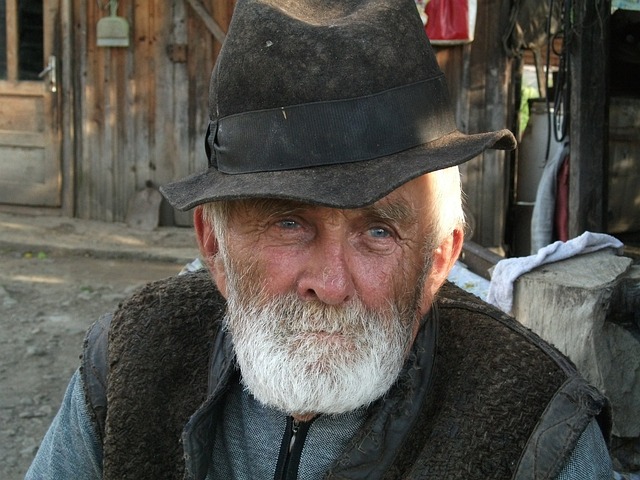
“Ravens Can’t Talk” Fantasy by L. Swartz

"Ravens Can't Talk" Fantasy by L Swartz

Sometimes River talked to Marty, her final human friend, as she walked east up the steep trail behind her house.

“You’d hate what they did to the stream,” River told Marty. “They paved over the part we daylighted and now they’re building townhouses. Can you believe it? Townhouses, here!”

Marty — as stubborn a ghost as she had been a friend — never answered.

Sometimes when River stepped out her door and looked west, she swore she could see Marty waiting for her, solid in teal rain boots regardless of weather. River waved, even though she knew Marty couldn’t wave back.

River and Marty had talked about everything on the way up that long hill — until the cancer got Marty shortly after they celebrated her 82nd birthday. Now it was just River walking, River talking to a ghost.

After Marty, River didn’t try to make new friends.

Young friends talked loudly, as if River were deaf. She wasn’t deaf. The young ones reminded River of their names as if she were demented. She was not. Young ones were careful to only talk about things they thought River was interested in, like their kids or some TV cooking competition. River was interested in astronomy and anarchism and philology and the pre-Columbian indigenous history of the land she lived on; that hadn’t changed when River turned 80.

Friends River’s own age were no better. Even if they didn’t die on her, they were deaf and demented. River got tired of hearing about their grandkids and their TV shows. River got tired of shouting at them and reminding them of her name.

So now River chose to walk alone.

There was always something new to explore in River’s half-wild neighborhood. Downhill, where the river met the ocean, otters sunned themselves on the rows of upended canoes awaiting summer’s tourists. Uphill, the doe River named Tulip, the one with the wound where some long-ago hunter had hit her in the flank, paraded this year’s fawn in front of River. Deep under the canopy of evergreens, a murder of hefty crows hurled good-natured insults at River as she walked through their winter roost.

The deeper River got into her 80s, the more desperately eager she was to breathe every fog-laden breath, touch every scarred bark on every tree, note where a big branch had been torn off by last week’s storm. River always squatted down to check on the sequoia seedlings she had planted, noting their growth, her knees’ protest when she stood up reminding her she’d probably be dead before the seedlings were taller than her.

River felt rich with experience and greedy for more. If only she could have another 20 years, or 30 or 40. She picked up stones from the stream she crossed further up the hill and placed them in circles around her sequoias, practicing a magic she didn’t believe in.

Today, in the meantime, River was alive. On every day when she wasn’t going to die, River was happy with her everyday miracles, free from the baggage of humanity. On lazy days when River skipped her walk, she created her own miracles.

* * *

The little house River had bought at the beginning of her geezerhood came with a shy acre. Half of it was tall trees even older than River. The other half, near her house, was cleared land. River had turned the stupid lawn into a rich buffet of clover and corn and crabapples for the deer and squirrels and birds. The critters knew they were safe with her. River knew they did not mind her watching them through the wavy old glass in her windows.

River had invited the birds first with a few haphazard feeders on the second floor deck. River thought it would be nice to have birds for company while she sipped her coffee at the wobbly metal picnic table. She pictured friendly chirping and graceful flight.

Instead she got Harley Davidson, the harsh-voiced Steller’s jay who demanded more and more peanuts as more and more jays joined him. Soon River was buying peanuts in 20-pound bags, the picnic table was downstairs on the shrinking lawn, and the feeders had taken over the deck, along with planters full of late-blooming pineapple sage for the hummingbirds.

Harley Davidson and his jay friends were first, but not the only visitors. Sweetly gossipy red-winged blackbirds soon joined the impossibly huge crows and the ridiculously patterned towhees. River ordered 50-pound bags of sunflower seeds and cases of suet cakes. Bright goldfinches and flickers and juncos and raspberry-colored finches and red-headed, houndstooth-tailcoated woodpeckers and handsome orange thrushes and squabbling starlings gobbled it all.

Only occasionally did a kestrel or sharp-shinned hawk perch on the peak of the roof and swoop down on an unsuspecting customer at River’s buffet. River grieved, but did not begrudge the raptors their appetite.

Next, Queen Liz, a relentlessly fertile old sow raccoon, led a procession of trash pandas up the posts and onto River’s deck. After a few deliciously successful raids by the raccoons on the peanuts intended for jays and crows, River began to put out dishes of dog food for them.

Queen Liz caught on quickly. She and her kits pressed their hands and faces against the window just before dawn and just after sunset. River obediently filled a dish and handed it to the family. Within a few weeks, all the raccoons in the neighborhood — mostly descendants of Liz, River figured — put River on their route. Sometimes River had to put out two separate dishes to prevent growling generations of raccoons from fighting each other to seize the choicest morsels first.

River tried to attract the local Roosevelt elk herd to her haven by planting aspen and dogwood, but no luck. Even when thinned by hunting season, the herd numbered at least a dozen. River’s human neighbors lived too close to suit the herd.

* * *

Only the boldest neighbor children came near River or her house — visits she suspected were prompted by dares. River sometimes contrived to pose spookily in the upstairs window facing the house across the street where the youngest kids lived: I have earned my eccentricity.

Many nights, River sat in her easy chair facing her reflection in the black windows and chuckled at the wildlife looking back at her: Here lives an old lady who dresses in bright, clashing colors and talks to ghosts and birds. And talk she did.

“Time for you to bring me presents now,” River would say to Harley Davidson. “You are a crow. You’re supposed to bring me shiny things in return for my gifts to you.”

Harley replied with a head toss, a strut, and a leap into the air to flap away, as if to say, Make me.

“Just stay alive,” River whispered to the impudent crow. “That’s all I want from you really.”

And “I won’t hurt you, silly girl,” River cooed to Queen Liz when the ragged raccoon stood up, forepaws outstretched, if River got too close to the kits. “I’m your guardian servant factotum, my friend. Nothing will happen to you on my watch.”

Liz would deflate as if in response. River would tut-tut at her, “Now you bring me some treats. It’s your turn, lady. A cutting from your roses, say. A casserole. Something.” Liz seemed to pause in her chewing to sneer.

River was tempted to pat Liz’s head. She wasn’t like the other raccoons. She was the oldest, a survivor, and she was the smartest and she knew just how to get what she wanted from humans.

* * *

River hated fall mornings. That was when hunters would wake her up shooting at sunrise. River forgave the weekday hunters, who were probably local and genuinely respected their kills and fed the meat to their family. But most of the gunfire happened on weekend mornings. That meant rich people from over the mountain who pursued recreation by killing the geese and ducks who shared the docks with the otters. Or they might be taking down one of the elk. Or it could be Tulip, her flank-wounded friend, or even old Liz, too blind to see which human was approaching. River even worried about the safety of the mama bear who trashed the neighborhood garbage cans and sometimes the not-so-feral cats.

More and more hunters disturbed River’s sleep, yet it did not seem to diminish the numbers of River’s visitors. More and more refugees showed up at River’s sanctuary.

The latest town council election had replaced several seats. The new council repped for the timber company that owned the land uphill from the town. The company always logged the tops of the hills bald, replanted the land, and sprayed the clearcut with chemicals to discourage undergrowth — but now without opposition. The chemicals killed what small prey were left for the predators who hadn’t already lost habitat during the clearcut, along with fish and birds and snakes and toads and squirrels. Both predators and prey fled downhill into the remaining trees and into the town itself. Hungry mountain lions and coyotes finished off the local pets and worked their way down the menu to the sluggish, half-hibernating raccoons and the young deer and the elk yearlings.

River couldn’t blame the predators for being hungry. They owned this town before it was a human town. Nevertheless, she fortified her sanctuary with motion-sensitive lights to discourage the cats. She put out opened jars of vinegar that the coyotes hated to smell. It worked, at least enough so that River didn’t find so many leftovers of their meals on her walks.

The flashing lights and peculiar smells didn’t exactly ruin River’s reputation as a witch among the local children — or their parents. That was fine with River.

River rarely spoke to other humans as she headed into the downhill part of her 80s. Her long-ago therapist would say she was isolating. Accurate enough, River supposed, but it had been decades since she saw that as something wrong with her that needed fixing.

Besides, she wasn’t truly isolated. She had all the company she wanted and needed. Her companions nowadays did die on her — even sooner than her geezer human friends — but they had boundaries. They respected River’s boundaries. And these friends never told her the same story twice.

These friends were more than enough for River, and they showed River she was still important, a creature of great value. Every time a new flock of goldfinches or a wary raccoon boar or fawn showed up in River’s sanctuary, she felt buoyant and immortal. The weekend hunters with their fresh gear, still creased from the store, would not take that away from her.

When a glossy raven, bigger even than the king-size crows she normally fed, parked its thick torso on the porch railing, River was elated. It did not seem inclined to move. It shifted left and right, from foot to foot, but kept its perch as she approached. It stared at River, croaking approvingly when she refilled the peanut feeder.

“I think I’ll call you Poe,” River said to the raven, which was regarding her tilt-headed, no more than two feet away. “I’m River. A pleasure to meet you, Poe.”

And Poe croaked, “Hello.”

And River opened her mouth to say something, but she couldn’t decide what to say.

Poe rattled, “Good morning.”

“You’re not wrong,” River replied, and then she laughed like she hadn’t since Marty died.

“You are River,” Poe said.

“I am. How are you talking to me? Are you talking to me? Am I finally losing it?”

“You are fine. All ravens can talk, fool. We do not talk to humans. Generally.”

“Why not?”

“Seriously?”

“Stupid question. Right. But why talk to me?”

“You are not stupid. And I think you might be why I am here. Partly.”

“But how?”

“How did I get here, you mean?”

“Yes. I guess so. Yes! How?”

“My daughter, who I taught many things although I was a shitty mom, turned me into a raven. She unlocked a forbidden room, which was inevitable, because she is a master thief and there is nothing so tempting to a thief as a forbidden room, and…”

“You were human?”

“On the other side of the other door to the forbidden room, yes. I was human. I was bad at it, but I was human.”

“So you came through the forbidden room after she turned you into a raven.”

“My transformation was the price she paid for her trespass.”

“I see. I am sad that…”

“Do not be sad, fool. I like being a raven. I think I am going to be much better at being a raven than I was at being a human.”

“Well, then, good I guess. But I’m happy you’re here and help yourself to peanuts anytime and I’m thrilled to be talking to a raven who can talk to me, but still: Why me?”

“It is my task to grant your greatest desire. Just one. Not three wishes, that never works out well for anyone. Just one. And no, do not say anything yet. Do not speak. Go to sleep tonight and dream a dream. Dream that your greatest desire has come true. When you wake up, it will be so.”

“But what if I have a nightmare? What if I can’t sleep or don’t dream?”

“You humans like to make up things to worry about.”

“That is true. OK then. I’m going to leave a breakfast of peanuts in the feeder for you before I go to bed, just in case. No matter what happens, thank you.”

Poe let out a decidedly not-human grumble-squawk, leaped off the railing, and swooped across the driveway into the copse of crabapple trees. River could hear her croaking from farther and farther away. A cold rain had started, but River stayed on the deck and breathed in the sanctuary’s sounds and sights and smells until she was drenched.

Then she went to bed.

* * *

River rolled over in bed, opening one eye enough to notice the sky was light. She rolled over in bed and did not groan. Her back felt strong. Her knees and elbows did not hurt. She could see two spiders in detail above her on the high ceiling. Her heart yelled at her brain to dress and go for a walk right away because she could not hear any rain falling.

River sat up and swung her legs over the side of the bed. She stood up. She stretched. She took a deep breath, then another.

Nothing hurt.

She did not feel like climbing back under the covers for another hour.

Nothing. Hurt.

Wait a minute.

Wait. A. Minute.

River remembered last night.

River, not bothering to pull on her sweats over her boxers and tank top, ran to the mirror in the bathroom.

River’s face was smooth. Her lips were full. Her eyebrows where red, not silver. Her hair was auburn, not silver. Her breasts were the famous globes her lovers had adored touching. Her belly was sleek and touchable. Her neck was tight, not stringy. And River could see. River could see everything clearly without pressing her face close to it. River could smell.

River.

Could.

Smell.

The cat box downstairs, one day overdue for a cleaning. The oranges in the bowl on the kitchen counter. The savor of old floorboards above the furnace.

But what about —

River threw the door open and — Petrichor. Pine. Grass clippings. Wet soil.

Everything. Everything was here.

River was here.

River was young. River didn’t have to think about how much she could hurry up and do before she died. River didn’t have to make plans for how her hungry wild friends would get along after she was gone. She was here. She would be here.

She was young.

River was young.

“Poe!” River shouted.

She looked up. An especially large raven, high above her, drifted in a lazy circle. The big bird barely dipped her wing in acknowledgement.

“Peanuts!” Poe yelled, then croaked and croaked and croaked.

Poe did not stop croaking until River, young River, overfilled the tray with so many peanuts they spilled onto the deck.

Poe stood in the middle of the tray and ate peanut after peanut while crows and jays scolded and River laughed.

“You scoundrel,” River said. “Shame on you. And thank you.” “You fool. Ravens can’t talk,” Poe said, then flew away.


L (just L) Swartz intrepidly chronicles fairy tale apostates, arrogant dragons, and shapeshifting ex-lovers. L shares life on the North Coast of Oregon with 1 nonbinary badass partner of 23 years, 3 crime cats, 1 sweet dog, and 1 loud parrot, while feeding every corvid and raccoon in Tillamook County.


If you would like to be part of the Rural Fiction Magazine family, follow this link to the submissions guidelines. If you like contemporary dark fiction and poetry, you may also want to check out The Chamber Magazine.

Please repost this to give the author maximum exposure. It is the only writers receive here.
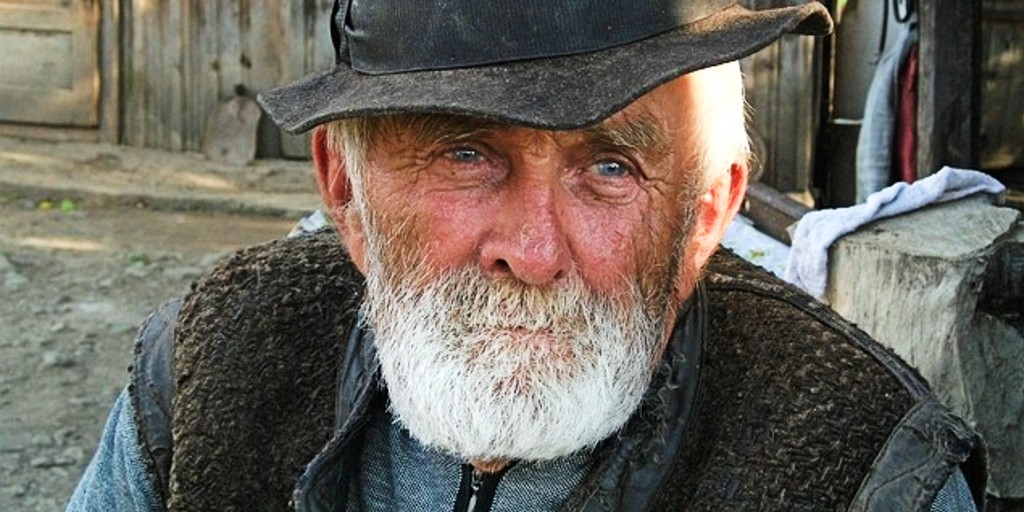
Two Poems by Sarah Das Gupta: “Viewpoints” and “A Man for All Seasons”

A Man For All Seasons (a poem by Sarah Das Gupta)
He was unique, his old trousers tied up with string,
One long thumb nail, grown to untie knots in binder twine!
Horse whisperer, sheepdog trainer, pig breeder, cattleman,
Out in the fields, fence mending, reading the cloud runes.
Watching leaden skies, prepared for the sullen face of the winter solstice
Dark, threatening, Saint Lucy’s Day,
One light in the mothy darkness.
Deep drifts, a mid-winter wilderness.
Yet he was cutting logs for bright kitchen fires,
Rich blazing flames of orange, red to challenge
The resolute, primeval darkness.
Soaked by rain, hair thatched with snow,
His soul lies beneath the frozen plough,
Awaiting another Spring!

“Viewpoints”

INDECISION

pebbles smooth mottled
held in the estuary mud
drift restlessly in the ooze
awaiting the ebb tide
or the river’s final rush


HISTORY

a deep snowdrift
 myriad footprints
a thousand journeys
       frozen in a
       moment of
           time


PERSPECTIVE

a flea seen through a
microscope
the great wall of China
seen from outer
 space


OBLIVION

the red sky of evening
cut into odd shapes
by overhanging branches
awaits night’s resolution

A Man for All Seasons

He was unique, his old trousers tied up with string,
One long thumb nail, grown to untie knots in binder twine!
Horse whisperer, sheepdog trainer, pig breeder, cattleman,
Out in the fields, fence mending, reading the cloud runes.
Watching leaden skies, prepared for the sullen face of the winter solstice
Dark, threatening, Saint Lucy’s Day,
One light in the mothy darkness.
Deep drifts, a mid-winter wilderness.
Yet he was cutting logs for bright kitchen fires,
Rich blazing flames of orange, red to challenge
The resolute, primeval darkness.
Soaked by rain, hair thatched with snow,
His soul lies beneath the frozen plough,
Awaiting another Spring!

Sarah Das Gupta is a retired English teacher who has worked in UK, India, Africa. She now lives near Cambridge, UK. Her work has been published online and in print in a number of magazines/journals. There include: ‘Paddle’, ‘The Chamber’, ‘Grave Light Anthology’, ‘Waywords’, ‘Shall ot’, ‘Cosmic Daffodils’, ‘Dorothy Parker’s Ashes’, ‘Mule Skinners’ and others.Her interests include, the countryside, horse racing, history and ghosts.


If you would like to be part of the Rural Fiction Magazine family, follow this link to the submissions guidelines. If you like contemporary dark fiction and poetry, you may also want to check out The Chamber Magazine.

“Grady Painted Water Towers” Micro-fiction by Alan Caldwell

"Grady Painted Water Towers" Micro-Fiction by Alan Caldwell: photo of water tower

Grady painted water towers.

He dangled in human bird cages secured by ropes. He moved from town to town, traveling with crews who followed the work. Sometimes in the early spring or fall, the sun glared off the white paint, blinding his eyes but feeling pleasantly warm on his back. Some winter days his hands were so cold he couldn’t grasp the rollers. In summer, the dog-day heat stole his water, his urine stream weak and dark. The men who painted water towers spoke of falls. Each carried stories, macabre stories about men bursting apart on impact, men impaled on fences. The farther a man fell, the luckier he was, they said, a soaring, and then a painless blackness. The men joked that they feared the stop but not the fall.

Grady had a wife. She waited tables and then waited in her cornflower blue dress, moving the curtains aside when she heard his truck tires crunching the gravel. Grady had a son, his hair curly and dark like his father’s. Grady always brought the boy a surprise when he returned, a bag of candy, a Matchbox car, and finally a bike, a Huffy with a breadloaf seat. He ran behind the boy as he pedaled on the gravel, his hand on the boy’s back, finally freeing the boy when he could maintain his own balance.

Grady fell from a worn cage in Waycross, an early Autumn storm blowing the platform away from the edge, Grady leaning to grasp the guide rope. He wasn’t lucky; he fell less than twenty feet, no time to soar and no blackness, just a cracking sound, a pain above his belt that stole his breath, a four hour ride in a pickup bed, swaddled in painter’s tarps. Grady lay in the bed for three weeks, the trailer smelling like sweat and sickness. He took the pills, and he slept, and then took the pills and slept again. He awoke and swooned and slept again and when he awoke again they were gone, they were all gone, the cornflower blue dress, the Matchbox cars, and the bike with the breadloaf seat.

Grady traded pills for a ride to the pharmacy for more pills. Then he slept, and when he awoke, the pills were as gone as the dress, the cars, and the bike with the breadloaf seat. Then they came looking for the pills that were gone and beat him for hiding the pills he no longer possessed. Then they came again, and beat him again, and told him to leave and come back when he had more pills.

Grady left, stumbling west along Highway 78, his left leg dragging a trail through the Autumn leaves that gathered along the shoulder. Grady shuffled and faltered. Some time after he turned north, Grady noticed that he was being followed, a tall and lean dog, black with white socks, a white spot on his forehead shaped like a heart.

Grady and the dog rested, and then slept, beneath an aged and sagging church pavilion. 

When they awoke, an old man in overalls was raking sweetgum balls from the gravel on the ancient graves.  

The old man helped Grady and his dog into the cab of his truck. Behind the old man’s trailer was another trailer, older and smaller than the first, but clean, a large tulip poplar dropping its yellow leaves on the trailer’s roof. The old man unlocked the door and led Grady and the dog inside. The earth tones comforted Grady and the rooms smelled neither of sweat or sickness. A pitcher of water and a loaf of unsliced bread waited on the table.


Alan Caldwell has been teaching for 29 years, but only began submitting his writings last May. He has been published in almost two dozen journals and magazines since. 


If you would like to be part of the Rural Fiction Magazine family, follow this link to the submissions guidelines. If you like contemporary dark fiction and poetry, you may also want to check out The Chamber Magazine.

“Marbles” Flash Fiction by Alan Caldwell

"Marbles" Flash Fiction by Alan Caldwell: photo of multi-colored glass marbles

The father’s breathing sounded like marbles rolling on a hardwood floor. The boy had heard this comparison used to describe the death rattle before. The old people always said this, like people on the news always said that a tornado sounded like a freight train. The boy had heard tornados that sounded like trains and now he heard death that sounded like marbles.

The nurse said this sound rarely lasted for more than a few hours. She saw death almost daily. She was a clean and pretty lady, an expert in human exits. She said this at 5pm. It was now 3am. She also said that this rattle caused no pain, but those who might confirm this never did. It sounded like it hurt.

The mother slept on the couch, soundly, not ten feet from the rattle while the boy moved from seat to seat, the foot of the father’s bed, and kitchen chairs, and even the floor.

The boy thought of the last few days, and then the last few months. He thought of the father’s questions about what sins Jesus might forgive and which ones might preclude pardon. The boy quoted the relevant red passages from memory. The father admired the scriptures and the boy who memorized them. The boy knew them all, but believed only a few. The father liked believing in the boy and the reassurance he gave, and the boy liked giving the reassurance he himself would never receive. It was a small lie, he thought, smaller than those the dying father and sleeping mother told.

Then the boy thought mostly about promises. The father made those he didn’t keep, but the boy always believed he would have kept them if he could, and he always believed he might keep the next one. It was here that he saw his faith disappear like wisps of holocaust smoke, every future lie reflecting an original one.

The boy also thought about his own promise. The father feared suffering more than retribution and made the boy promise that he would end his suffering when the time came. Believing in mercy, the boy had agreed, though he knew others had begged the father for mercy he never gave. The boy sat for two long hours, his back against the kitchen wall. The rattle never changed in tone or volume. Then the boy nodded asleep and dreamed, or remembered, the father putting his pistol to the head of the boy’s dog, his back broken, his hips twisted topsy-turvy by the car’s impact.

The sound of the shot awakened him, and something inside him.

The boy walked to the father’s bed. He placed his palm against the father’s scalp. It was cool to the touch, like the hood of a car left sitting in the shade, its engine having been shut off for hours. Cool, and yet the rattle continued.

The boy unfolded a damp cloth and wiped the father’s face one last time. He lay the cloth over the father’s face, covering his eyes. He clasped the father’s nose between his left thumb and forefinger and pressed his palm over the mouth. The process reminded him of a child forming a snowball from cold white powder.

The boy loved the father and hated that he loved him.

But, most of all, he hated the sound of the marbles, and then there was nothing left to hate.


Alan Caldwell hs been teaching for 29 years, but only began submitting my writings last May. He has been published in almost two dozen journals and magazines since. 


If you would like to be part of the Rural Fiction Magazine family, follow this link to the submissions guidelines. If you like contemporary dark fiction and poetry, you may also want to check out The Chamber Magazine.

“Getting a Fire Started” Short Story by Thibault Jacquot-Paratte

"Getting a Fire Started" Fiction by Thibault Jacquot-Paratte. Photo by Benjamin Nelan

The party would have been over, if someone hadn’t brought along marshmallows as a party food, which in turn, brought up the suggestion that when the sun would set, and it would start getting dark, we would build a fire, and roast the marshmallows above the open flame. It was in town, this party to which I had been invited for some reason (as it was not customary for me to be invited to any shindigs, and so, was not in my habit to attend), and most of the attendees were military brats.

And a good deal of them were army air cadets – a sinister organization into which I once had been drawn. Being a metalhead I fit in very little with their spit-and-polish types. The type of people who pretend to be cleaner than their neighbours, and who judge you on sight. Who think that shaving means that you are respectful, and who see disagreeing as a criminal offense (as, in the military, it often tends to be). 

(When I say I had been drawn into it, it was for a rather short period, as when looking at my shaggy black hair they said “above the ear”, and when I had it cut to “above the ear”, it still was not short enough to their liking; they postponed giving me my uniform leaving me singled out, most purposefully – noticeable, that one who doesn’t have a uniform, doesn’t have a buzz cut, and wears metal band Ts – and that day they wanted us to parade around for some officer, behind the Foodland by minus forty, I said “no sir, enough of that!”, and never went back. I had been lured in by the prospects of a free piloting license – because the government is willing to spend money on youths to have a free piloting license if they spend hours every week drilling, but it wouldn’t do the same for youths who spend their time reading, or studying. But a free piloting license wasn’t worth the wasted hours. One of the last times I had gone to cadets, was one time we could finally do some shooting. They handed me an air riffle and a pair of protective glasses, to shoot targets at the end of a range, while lying flat on our fronts. Some pipsqueak leading air cadet half my size was assigned to supervise me (to be a Leading air cadet, one needed no qualifications, one needed only to be with the organization for at least six months). I was laughing. “What’s funny?” he asked. “What the hell is this?” I replied, “I’m from the countryside, I’ve been shooting with live ammunition since I’ve been ten. What’s the deal with these glasses when we’re gonna shoot pellets at the end of a range?”. “They can bounce back and hurt you” he said. “How do you suppose it could bounce back from the end of that range?” I insisted. Smart mouth, the L.A.C. said “Either you comply or you don’t shoot”. Fun stuff – so I was lying down with my glasses becoming foggy from my body heat, and I was trying to aim properly. After a first shot that hit somewhere along the blue line, I took off my glasses to wipe them. “Put those back on! You need to have your glasses on at all times when on the range!” he yelled. “I’m just wiping them clean – they’re foggy; I can’t see shit!” I said, showing him the goggles. “Okay, but do it fast” he whispered. As soon as I had put them back on, it started all over again – it was damn hot, how they were heating that building in mid-November! Another half-miss. I had enough of that – I reloaded, stood up, took off my glasses, and shot. Dead center! That’s how hillbillies do it! I went back and turned in the “weapon”. That was it for me and the “air cadets”). 

And here was I, outside a house in the town suburbs, with a bunch of those fanatics, and we were going to start a fire. They – the owners of the house – had a fire pit all ready, arranged, prepared. “Perfect!” I though, until the cadets went in, to try to apply what they had learned in “survival training”. 

During the first ten-or-so minutes, they argued about how to set up the wood. “We have to put all the branches in one direction, so the wind gets through! The flame needs air!” said the first. “No! We have to Cross them in different directions, so that it leaves room in between! Air pockets!” Said the second. “No, the branches should be standing, I mean, they should be like a cone, like a teepee. That way there’s room underneath, and the flames are high” said the third. Impressed by this elaborate design, they got to work. Standing there, I remarked “It all depends on the weather you have, but none of it really matters as long as you get it started right”. “Shut up” they said “we got this. We passed our survival training. This is easy”. 

And so, I sat at the table where the ladies were steering clear from the macho quarrels, or admiring them. Another excluded male, whose name was Gabriel, honestly stated “My grandad always got his fires started with a gasoline mix. That’s how he showed me. Said it helped, like with barbecue fluid. So don’t ask me nothin’ about building a fire other ways!”. Clean, unassuming, honest. He stayed seated and chatted with the ladies. 

It was a hilarious scene where the distinctions between the expected typical males and the expected typical females were put into stark contrast. These scenes, we’ve all had them. I recall a story from my school music teacher with whom I got along, because neither he nor I fit into an “expected typical” category. Once after class once, he reminisced about a soiree he had been at, while explaining to me how Schoenberg’s 12 tone method worked. “All the men were in the living room, talking about cars, hockey, and boobs, so I went into the kitchen where the women were, who were talking about gossip, tv. series and books, which in comparison was vastly more interesting, but they shooed me out because they didn’t want any guys there, so I had to stay and be bored, listening about cars, hockey and boobs”. 

In the backyard, where I was, the girls, who were all of military upbringing, were fundamentally different. Maybe because of the branches in the military. With only one of them, Sophie, was I acquainted – we had been in after-school clubs, and I suspected it was through her that I had been invited. Her family was military, but worked in Search and Rescue – so, not cannon fodder. Actually, I had a huge crush on her, and not only because she was one of the rare girls who talked to me. I wouldn’t have asked her out because I valued her friendship too much, and I feared the same thing would happen as with this other girl called Jenny. She and her best friend Marie had started hanging out with me and my friend Peter, who was nicknamed Peter built because we both expected to become truckers, and he was so large that he had something of a peterbilt. They had hung out with us some, and we had enjoyed their company, until Peter, who had more guts and more self confidence than I, asked Marie if she would like to go on a date with him, maybe even, if Jenny wanted to, a double date, the four of us. She politely declined, and they ignored us for the rest of the school year. 

And so I valued Sophie’s friendship too much to ask her out, which is ridiculous since she stopped talking to me anyways. She stopped talking to me largely due to another girl who was there – named Daphne – who was as superficial as they can come, all the opposite of Sophie. As that evening was one of the only pleasant encounters I had with Daphne, I would have never suspected her – the low-witted make-up covered gossip queen – to become friends with the socially engaged and very literate Sophie. Nonetheless, the worst is often to happen. I’d never know why Sophie preferred Daphne’s company. Maybe they went to some same church or something – I wouldn’t know about any of that.

Two girls remained, and they were Angel – a tall black girl, who was an air cadet, yet instead of the air of superiority most of them hailed, was a shy and polite girl, who liked to take pictures, and who envisioned becoming air reconnaissance photographer (or something along those lines) –, and Jane, a short baptist who was very nice as long as no one mentioned any religious subject (I learned that surprisingly enough, she would later convert to Catholicism and become a nun). We sat there, and joked for a while, about trying out Gabriel’s technique, about driving a car around for a few blocks and roasting the marshmallows under the hood, or about going to the beach to roast the marshmallows, as it would take less time than waiting for  the dudebros to succeed in building a lasting fire. 

The three dudebros huddled around the fire pit had abandoned the idea of arranging the sticks like a cone. In fact, they had found other ways to rearrange the wood, so that it would supposedly burn better. They had debated matches; safety matches (or Swedish matches as they’re sometimes called), vs. other matches, or a lighter.

“Does anyone have a lighter?” asked the main alphaalpha – the kind of guy who you knew would peak around our age  – “I forgot mine. I didn’t think I would need it”. 

“I can just get the fire started,” said I.

“No, screw you, we’re doing it,” he affirmed. 

“Okay,” I backed down, relaxed, largely also because I thought it was funny to watch them try, and put so much effort into it. 

“Just let him do it,” sighed Sophie.

“No, Sophie, we’re gonna have it lit soon,” said the second one. 

So we sat pretty while they used up a pack of matches, and we talked about projects, about activities, about cooking, about food, about the fact we were hungry, about night that was getting dark, about mosquitoes… And the dudebros talked about how they could place the sticks they had gathered as firewood, and I was asking them if I could do it, and they gave me the same response “No, screw you, we know how to do it”, and I tried to give them tips “Place some of those dry leaves at the bottom, get some more fire starting material”, and they would tell me to shut up, and Gabriel would make jokes about getting some gasoline, and I would say that build small fires it all the time on the north mountain, and they would ignore me. Daphne wanted to go in to sing some Karaoke, and Sophie wanted to go to the beach; Angel and Jane wanted to go home, but they didn’t have a ride. “I can give you a ride” I told them. “How do you know where I live?” asked Angel not shocked, but amused. “Don’t you remember? You saw me coming out of Nanette’s place – she’s my band’s drummer, that’s where we practice”. “Right!” she said, before Daphne asked “You’re in a band?”. “Yes” I answered. “Oh”. 

And as we were about to leave I asked for the last time “You sure you don’t want I should do it?”, about the fire, to which the dudebro who had non-verbally established himself as the leader of the pack, burst out “Fine, you think you can do it, go ahead!”, and the third one warned me “It’s these matches, the problem”, though they were using up a second pack, as the first one had been used up. 


Not changing how they had placed their wood, I stuffed dry leaves wherever I could – as dry leaves were all over the ground, no more fire-starter needed to be found ; I lit a match and put it to the middle of the base I had established. Within a minute a fire was roaring, and I handed them their matches, of which one single I had used. Frustrated but glad to have a fire, and for the party to have come back to life, the others gathered around the flames, sticking the marshmallows on sharpened sticks. One of the guys only muttered to me “You redneck bastard”, to which I didn’t care. Having a sun-burnt neck means that you work hard under a harsh beating sun. You work hard, you also know your stuff. And you need neither to show off, to be called leading cadet, or to wear a uniform. All I had needed was time in the country to try things out for myself, and if I didn’t manage myself, to ask from people who knew. If the government wanted to invest into these military brats, who went from town to city to town, and give them free piloting licenses in exchange for standing straight in lines, and getting haircuts, then my behind would stay in the country without any of their privileges. At least I knew how to build a fire.


Born in Nova Scotia, Canada, in 1993, Thibault Jacquot-Paratte writes in both English and French. Recently he has served as literary editor to the anthology Il y a des bombes qui tombent sur Kyiv. His novel A dream is a notion of and his short work collection Souvenirs et Fragments were published in May 2022. Previous publications include his poetry collection Cries of somewhere’s soil, and three of his plays. More of his work has been featured in reviews and anthologies. He enjoys spending time with his wife and their daughter, and finding new creative projects. He is a regular contributing journalist to Le Courrier de la Nouvelle-Écosse, his play Il y avait des murmures sous le sol will premier in February 2023. He is currently employed as Script writer at Bored Panda Studios.


If you would like to be part of the Rural Fiction Magazine family, follow this link to the submissions guidelines. If you like contemporary dark fiction and poetry, you may also want to check out The Chamber Magazine.