Category Archives: Stories

“Windswept Plains” Fiction by Terry Sanville

"Windswept Plains" Fiction by Terry Sanvillle

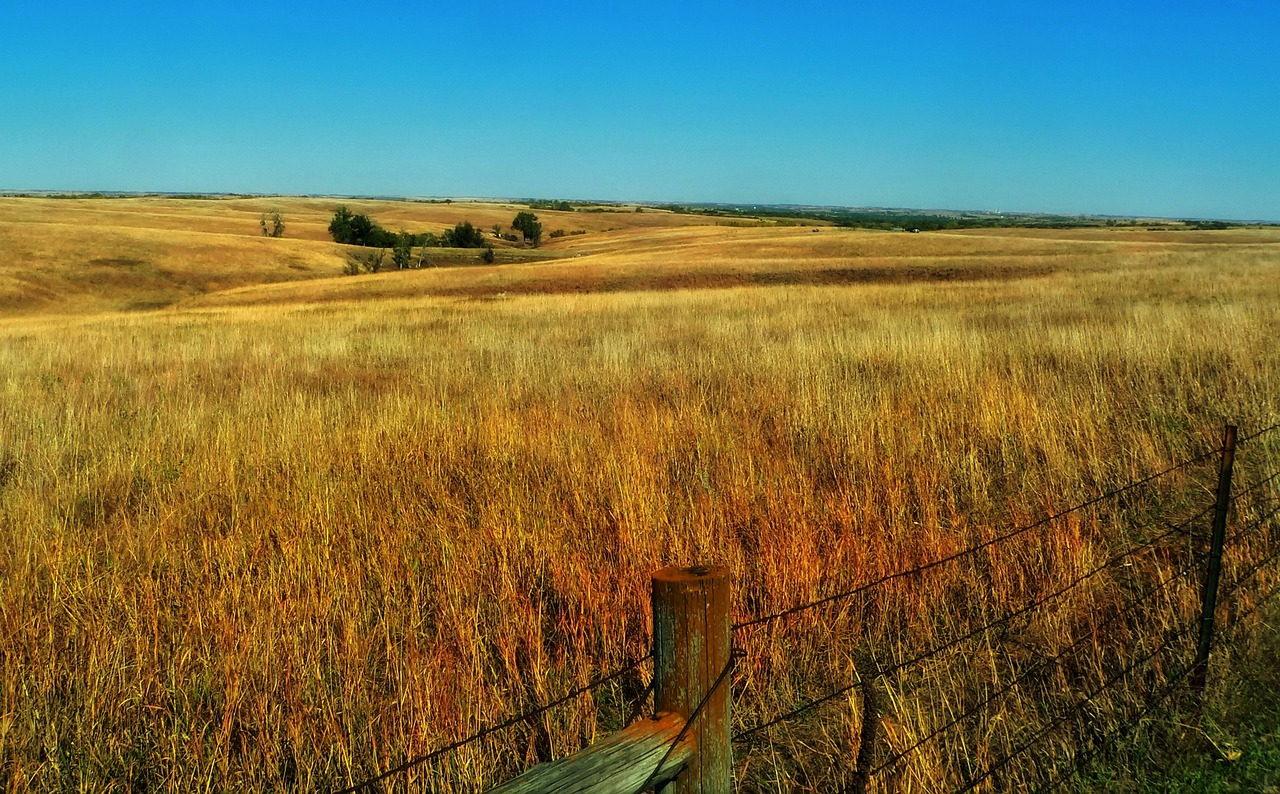
The sun shone through the side window and caught her full in the face. Marilyn rubbed her eyes and sat up. The car’s stuffy interior stank of baby poop. She checked the back. Ethan dozed in his car seat, his perfect little chin resting on his chest. She covered his bare arms with the blanket, smoothed his hair, pushed the Chevy’s door open and pulled herself up, wobbling. Sometime during the night when the moon went down, she had edged the car off the two-lane highway into the darkness. Now, in the dawn’s glare she found herself on a gravel turnout, surrounded by an ocean of Nebraska corn.

Closing the door quietly, she moved into the field, squatted, and peed. With only blackbirds and crows watching, she dug the compact out of her purse and stared at her face, red from half-a-continent’s-worth of windburn. Somewhere west of Philly, the car’s AC had quit. The summer heat had turned her peach-fuzzed cheeks into leather. She pulled a comb through her bobbed blonde hair and turned slowly to study the countryside. Except for a few pump sheds, the rolling plains held no shelter. A smudge of brown smoke hung above the closest rise. She sucked in a deep breath and let it out slowly. A pickup truck pulling a tractor on a flatbed drove past. It slowed for a moment, but kept moving and disappeared over the horizon. 

…no cities…no yammering…just sun and the wide open…should’ve done this months ago…had Ethan in some farmhouse with only the old women watching…

Her son’s high-pitched squeal broke her reverie. At the car, she found him wide-eyed and flailing. She opened all the doors to air out the Chevy, changed his diaper and cleaned him with baby wipes before burying the smelly mess under dirt clods at the edge of the field. She unbuttoned her blouse to nurse. His body felt soft against hers, heart beating with a reassuring rhythm. Her muscles relaxed, the tenseness replaced with a warm glow. The silence returned, the tarmac empty of traffic. The heat came on strong. As her baby fed, Marilyn hummed a childhood song and fanned him with a folded newspaper that pictured a longhaired brunette version of herself.

With Ethan strapped in his seat, she collected her cigarettes and lighter and stepped outside. She never smoked in any space with Ethan; it might be too late for her but the child deserved a chance. She stared into the fields and thought about the past week: emptying their bank account, buying a used car, listening to TV news in that sleaze-bag motel room, and hardening her heart.

A flock of blackbirds exploded from the greenery. The cornstalks jerked along two rows. Something charged toward her, coming on fast. Marilyn flicked the cigarette to the gravel, hustled inside, and locked the car doors. She fumbled in her purse for the key, inserted it in the ignition and twisted, grinding the starter. But the tired engine wouldn’t fire. A girl clutching a fist-sized rock burst from the field and rushed the Chevy. She halted in front of the car and placed a hand on its hood, her chest heaving. She looked maybe sixteen, well developed, with shoulder-length hair the color of corn silk.

“Stop,” the girl ordered, “or I’ll break your fuckin’ windshield.” She raised the rock above her head.

Marilyn grasped the steering wheel with both hands and squeezed her eyes shut.

…it always finds me…I never get away clean…like a shadow I can’t ever shake…

She raised her head and studied the girl: ragged jeans, a faded pink T-shirt, a pretty dirt-smudged face punctuated with freckles. Marilyn reached inside her purse and grasped the pistol. It felt slippery in her clammy hand, like the last time she’d used it. She unlocked her door and climbed out, held the gun at her side, and moved toward the girl.

The teenager backed away and dropped the rock, stared at the pistol then at her filthy bare feet. She drew a forearm under her runny nose. “Look, I…I didn’t mean nothin’…wasn’t gonna hurt you.”

“What the hell are you doing out here?” Marilyn’s voice shook and sounded way too loud.

The girl shrugged.

“What do you want?”

“Water…and maybe a ride.”

“Are you from around here? What’s your name?”

“Lyn.”

“Lyn what?”

“You don’t need ta know.”

Marilyn paused and stared into the girl’s blue-flecked-with-gold eyes. She slipped the pistol back into her purse. “Come on, I’ve got some water in the cooler.”

Lyn flashed a smile before resuming her sullen pout. Marilyn opened the rear door.  Ethan let out a howl. She lifted him into her arms then handed the girl a water bottle, watched her chug its contents. She passed her a roll of paper towels. Lyn doused her face liberally and scrubbed at it until her cheeks turned pink, as if they’d been slapped. The water drenched her T-shirt. She didn’t wear a bra. The baby stared unblinking at the girl. She reached a hand toward him but Marilyn pulled him away.

“How long have you been out here?”

“Long enough,” the girl said

“You’re not gonna tell me much, are you?”

Lyn grinned.

Marilyn opened the passenger-side door and motioned for her to sit. She placed Ethan in his car seat, slid behind the wheel, and gazed westward through the bug-stained windshield. She knew that she was too much of an adult for some freaked-out teenager to open up to. Still, she tried.

“Does your family live around here?”

“Yeah, well…they did.”

“Do you have brothers or sisters?”

“Nah, but I always wanted ’em. My parents stopped with me. I guess they quit while they were…behind.” The girl’s mouth tightened and she looked away. Marilyn paused in her questioning, then changed the subject.

“What happened to your shoes?”

“Lost ’em.”

“I’ve got some flip-flops in the back you can have.”

“Thanks. You got a cigarette?”

“Yes, but you can’t smoke in the car…it’s bad for the baby.”

“Right.”

 The silence built between them. The girl seemed to study the littered front seat. She grabbed the newspaper wedged next to the center console, unfolded its front page, then stared at Marilyn. Ethan cut loose with a string of baby sounds.

Lyn muttered, “That’s about the only age guys are lovable.”

“What are you talking about?”

Lyn pointed to the newspaper with its black headlines – Woman Wanted for Killing Husband, Flees With Baby Boy. “That’s you. You know what I’m talkin’ about. That’s why you’re on this back road to nowhere.”

… shit, what do I do now? Damn teenagers can’t keep secrets…

Marilyn reached into her purse. It would be easy: order the girl out, march her into the field, put a bullet in the back of her head and let the harvesters chew up her rotting remains. They stared at each other. The girl looked ready to bolt, her goose-bumped arms trembling, arms with dark bruises around the wrists and above the elbows, hands with broken nails and bloodied knuckles.

Marilyn let out a deep breath. “So, am I going to find your story on a front page somewhere?”

“Yeah, maybe…but not for awhile. We’re in the middle of frickin’ nowhere, ya know.”

“Yes, I’m counting on that. So, are you gonna tell me?”

“No…well, maybe later. We need to get movin’.”

“Why would I take you with me? Why would you want to travel with a…”

“You’ll need help drivin’…and I look like I could be your daughter, or maybe a younger sister. The cops will be lookin’ for you with your kid – not a threesome. The same’s true for me.”

Marilyn smiled. “You have it all figured out, don’t you?”

“I didn’t…until now. We need to make it to the coast, to some big city, and get lost.”

“Really? Then what?”

“Hey, just get me there and I’ll find somebody to hook up with.”

“I’m sure you will,” Marilyn said and turned the key. The car started without hesitation. She checked on Ethan then pulled onto the shimmering blacktop. They drove into the empty morning with sunburnt arms resting on windowsills, the plains a blur of green and gold. A strong headwind buffeted the sedan and Marilyn concentrated on driving while Lyn slept.

…this actually might work…at least get us to the coast…there’s something about her I don’t like…but hey, killers can’t be choosers…

Near noon, Marilyn pulled the car next to a single gas pump outside some kind of country store with neon beer signs flickering in its windows. Lyn continued to snore. Ethan slept. She climbed out and stretched, staring all the while at her two passengers. Neither moved. A hand-lettered sign attached to a pole read, “Pay befor U Pump.” She pushed into the store, the AC chilling her bare arms and legs, waking her, setting her on edge. A fat man sat in a cushioned chair behind the counter, watching a TV soap. He stared at her. His gaze fixed on her breasts for a few long moments before he resumed his television ogling.

“Give me yer money first before ya pump gas,” he said without looking at her. “No offence, lady, but I get too many fools tryin’ ta rip me off.”

“I understand. I also need to get something to eat. Do you have a restroom?”

“Yeah, outside and around back. Sorry ’bout the mess.”

Marilyn nodded and wandered into the store’s dark interior. A bar stretched along its back wall. But by the look of the dust-covered counter and empty bottle shelves, it hadn’t seen patrons for a long time. Rows of supplies on folding tables occupied the space. A bank of rumbling wall coolers full of beer and soft drinks filled a sidewall. She grabbed two bags of chips, a six-pack of soda, two packaged fruit pies, and a few candy bars and laid them on the counter along with three crisp twenties.

“I’ll be back in for the change,” she said, “and I’ll need some ice for my cooler.”

“It’s around the side,” he gestured. “Look, ma wife is making lunch in back. She can fix ya some sandwiches if ya want. Cost three dollars apiece.”

“No, but thanks for the offer.”

Marilyn moved to the entrance then froze. The Chevy’s front and rear doors on the passenger side stood open. The girl and Ethan were gone. She rushed outside, gazed up and down the highway and at the nearby crossroad with its rusting stop signs. The road stood empty of cars and people. She hurried around the corner of the building and almost collided with Lyn. The girl cradled Ethan in her arms, the baby pressed against her breasts.

“What the hell are you doing?” Marilyn yelled.

“Hey, shut up, will ya. I just got the little guy quieted down. I think the heat was gettin’ to ’im so I brought ’im into the shade.”

Marilyn’s heart slammed against her chest. She forced herself to slow her breathing and waited for the fear to subside. “Sorry. Thanks…thanks for watching after him.”

The girl grinned and rocked Ethan gently. “He wants ta nurse. No luck here.”

“Yes, if you would pump the gas and get some ice, I’ll feed him. I’ve already given the guy inside three twenties for fuel and food.”

“No problem.”

Lyn sauntered over to the ice machine, yanked a ten-pound sack from its smoking interior, and disappeared around the corner. Marilyn retreated deeper into the shade and nursed her hungry baby. The calm returned. She felt relieved, and grateful for Lyn’s help.

…at least she doesn’t treat him like a doll…maybe I can trust her…but not yet…let’s see how she does with the change…

Marilyn imagined the proprietor’s reaction when the braless teenager pushed through his dirt-smudged door. For a fleeting moment she felt concern and patted her purse, reassured by the feel of the gun. In a short while, Lyn returned.

“Everything go okay?” Marilyn asked.

“Oh yeah. That frickin’ letch behind the counter was gonna make a move. But lucky for him, his wife came out from the back. Here’s your change. The car’s gassed and I checked the water and oil. She’s down half a quart, but you can wait ’til the next fill-up.”

“Thanks. You did good, and sorry I didn’t tell you about that creep.”

Lyn gazed at Marilyn nursing.  “Does…does that make ya feel good?”

Marilyn smiled. “Yes, it’s almost like I’m high. Calms me right down, just like Ethan.”

“Have you ever given the kid, ya know, formula from a bottle?”

“Sometimes. But it’s not as good for him.”

“Yeah, that’s what my health class teacher told us. Sorry I can’t help ya.”

“Don’t worry. With your looks, you’ll be pregnant soon enough.”

Lyn brayed loudly. “My mama always said the same damn thing.”

Ethan had finished nursing and dozed in her arms. After burping him, she slid him into the car seat and slipped behind the wheel. Lyn had washed the windshield and thrown away the crap littering the front seat. The girl opened cans of soda and a bag of chips.

“You want me to take her for awhile?” Lyn asked. “Ya know, I’ve been drivin’ since I was fourteen.”

“Not yet. Maybe after our next stop.”

With the car’s sun visors lowered, she drove into the shimmering heat and wind. Golden grain fields had replaced the corn and the land flattened even more below a cobalt-blue sky with mashed potato clouds pushing up on the western horizon. Sometime in the late afternoon, she pulled the car off the highway near a deep gully and an under-road culvert. She unfastened her seatbelt and opened the door.

Lyn stirred. “Why…why’d ya stop?”

“I have to pee. Watch Ethan till I get back, then you can go.”

“There’s nobody out here. Relax.” Lyn leaned her head back and closed her eyes.

Punch drunk from hours of driving, Marilyn grabbed the car keys and her purse and climbed out. She took a dozen steps and turned to stare at the girl and Ethan, motionless in their seats. She walked to the ravine and slid down its bank. Out of sight of the highway, she pushed her panties down and squatted. The wind blowing through the culvert howled like a banshee. A shadow fell across the gully. She jerked to her feet and turned just in time to see Lyn charge down the bank and snag her purse.

“What the hell…” Marilyn croaked.

Lyn reached into the purse and withdrew the pistol and Marilyn’s wallet. She thumbed the half-inch-thick sheaf of bills.

“So now you’re gonna rob me?” Marilyn asked, her face burning.

“Not exactly.” Lyn grasped the pistol at arm’s length and pointed it at Marilyn. “My plans have changed. A teenage mom with a kid is an even better cover…and your money will help me disappear.”

“But the cops could think you’re me.”

“Give me a fucking break,” Lyn snapped. “We don’t look that much alike.”

“I was only trying to help you.”

“Yeah, then why the gun?” Lyn laughed. “Turns out, you had a good reason for carryin’ it. Ironic, huh?” She sighted down the barrel.

“Please…please don’t. Please…my child…” Marilyn backed toward the culvert, stumbling over the uneven ground.

“Quit whinin’. You sound just like my Pop…my mama had more guts.”

A solitary semi roared past on the highway above them. Not even the crows heard the pistol’s crack. And the coyotes that crept from the fields near sundown seemed to enjoy their unexpected feast.


Terry Sanville lives in San Luis Obispo, California with his artist-poet wife (his in-house editor) and two plump cats (his in-house critics). He writes full time, producing short stories, essays, and novels. His short stories have been accepted more than 500 times by journals, magazines, and anthologies including The American Writers Review, The Bryant Literary Review, and Shenandoah. He was nominated three times for Pushcart Prizes and once for inclusion in Best of the Net anthology. Terry is a retired urban planner and an accomplished jazz and blues guitarist – who once played with a symphony orchestra backing up jazz legend George Shearing.

“Pay at the Pump” Fiction by Kay Summers

"Pay at the Pump" Dark Fiction by Kay Summers for Rural Fiction Magazine

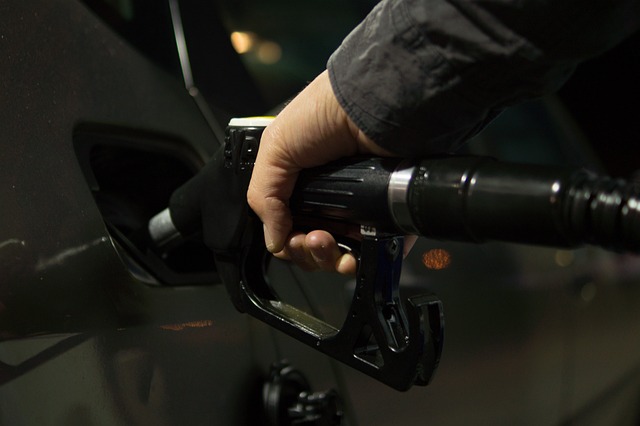
The killer pulled into the gas station slowly, tires crunching over the loose gravel dotting the asphalt. The station was small, one of those old stations right outside small towns where the prices are posted on signs with numbers someone changes by hand. It sported two pumps of an elderly vintage, and when the killer pulled alongside the first one, he saw the paper, handwritten sign taped over the handle: “Out of Order.” Sighing inwardly, he pulled ten feet forward to access the second pump. A similarly scrawled sign taped over the credit card slot read: “Pay Inside.”

With another sigh, this one audible, the kind that fills a given space with the weary frustration of its owner, he put the car into park, popped the gas tank open, and turned off the engine. The killer preferred to pay at the pump rather than walking inside ahead of time, waiting on whatever patron was buying scratch-off tickets and beef jerky, and then estimating how much he’d need to fill his tank. It was an inexact science at best, and it’d inevitably leave him with a gas gauge hovering just below the full line, as unsatisfying ending to a gas transaction if ever there was one.

He’d never understood people who said things like, “I’m just going to get five dollars of gas,” or shit like that. How could you possibly keep track of your fuel with a gauge that was forever short of full, never stopping at the top, just floating somewhere between half and three-quarters of a tank?

The door to the store was glass with one of those metal handlebars bisecting it. The kind that leaked heat in the winter and AC in the summer, which wasn’t the killer’s problem, but he did ponder the wasted money and energy for a second. The door swung easily, and the small bell hanging from a string on the inside tinkled to announce his entrance.

The clerk was seated behind the counter. This station was small, of course, and in one of those towns that liked to think it had low crime, so there was no glass barrier protecting the employee. More likely than a low crime rate was the chance that there was a shotgun underneath the counter, just by the man’s knees, providing assurance as he read the newspaper, drank coffee, and conducted the odd transaction or two that probably occurred no more than twice an hour; three times, tops.

Peering over his paper, the heavyset man, dressed in blue work chinos and a striped, short-sleeved button-up with his name stitched on the pocket—Stanley, it said—sighed as well, folding his paper carefully and setting it on the counter before regarding the killer over the bridge of his reading glasses.

“Fill ‘er up?” The man asked.

So, he wouldn’t have to guess how much to pay. That was a plus. He nodded, and the man pushed a few buttons on the console to his left, nodding back at the killer and grunting, “Go ’head, then.”

The killer didn’t know gas stations still existed where a person would be trusted to come back in and pay after filling up the tank. But apparently, here in the wilds of Georgia, they did.

Post fill-up, the clerk—Stanley—was friendlier. “That a hybrid?” he asked with genuine interest. “How many miles you get?”

Twenty years ago, the version of this man would’ve no doubt viewed such a car with suspicion, but now, with gas prices spiking, everybody and their grandma was interested in hybrids—what kinds of batteries they took, whether or not it had any pick-up, if he’d ever topped 50 miles per gallon, you name it.

“Averages about 45 on the highway,” the killer replied. “More than 38 in town.”

“That right? That’s the opposite of what you read about them,” Stanley quizzed.

“Yeah, I know,” the killer answered. “They got it all backwards, at least with mine.”

Stanley had a few more questions, and the killer, whose name was Tod, pronounced Todd but with just the one “d,” indulged him. Tod normally hated small talk—not because of his profession, though. He’d always been bad at it, not like those kids who could chatter away to a stranger in the aisle of a grocery store, telling some stranger all their momma’s business while she stood further down the aisle, trying to remember if they needed Pop-tarts or not. Tod had been the kid who stood, mutely, while some random adult asked random questions about what grade he was in and did he like his teacher and what not.

But in a strange town, with a job to do, it paid to be a little friendly, because in the South, you stood out more if you weren’t. He was known to be quiet in his own hometown down by the Gulf in Alabama, but here, he was more likely to be remembered if he didn’t converse than if he did.

Also, it was possible Stanley could help him.

After it was clear that Stanley’s curiosity about current hybrid technology had been sated, and he began to pick up his paper again, Tod ventured, casually: “Got any motels close by around here? I’ve got a long drive tomorrow, and I’d love to rest up, watch a little TV, catch a few zzz’s.”

Stanley, he knew, was likely to recommend the kind of place he was unlikely to find on hotels.com—a one-story motel with doors that opened right to your parking spot and clerks who didn’t mind taking cash with no reservation. Stanley did not disappoint, directing him to a homely establishment just about two miles down the same state highway and on the right. The Olde Towne Motel, it was called, and Tod knew the stylish nature of the extra “e’s” wouldn’t be reflected in the accommodations, but that was more than fine. Places like this catered to people who maintained a very small footprint in this world, whether they stayed a night or lived here, and they were unlikely to notice him or care if they did. They all had more than enough worries to occupy their time.

The room was gross, of course, but Tod had stayed in many worse places while in the military. A place that had a bed, even if he needed to don a Haz-Mat suit before lying on it, was superior in every way to a dugout in the mountainous desert or a back room in some shot-up house in Baghdad.

There was an flat-screen TV, the free-standing kind that you could get on the after-Thanksgiving Day sales at Wal-Mart if you were ready to take your life in your hands and do battle with all the heavyset ladies, Black and white, who’d crowd into surging hordes of shoppers against the closed doors, sprinting—their big chests heaving and bouncing—as they grabbed shopping carts and ran like hell for the electronics section as soon as the floodgates opened. It was scarcely bigger than the flat-screen monitor the killer used in his workstation back at his house, and the color on it was flat, garish, home-video quality circa 2006, making everything he tried to watch look like an episode of “Cops.”

Passing time in places like this required patience, and Tod had that in abundance. He was waiting on a call from his handler, Whippet, a man he knew from their mutual time in the military. Whippet was the guy who’d hooked him up with this gig, in those first disorienting, lonely days after he returned from his final combat tour with too much time on his hands and too much stored-up adrenaline and banked hypervigilance to enjoy it. Whippet had started his own business, helping people rid themselves of troublesome neighbors, acquaintances, and the occasional husband, when he returned, and his recruitment pitch to Tod had been simple: “Hey, man. Remember how they kept calling us ‘trained killers’ and all that bullshit? Well, I say stick with what you’re good at. Fuck trying to make it in the straight world. They trained us, and fairly expensively, wouldn’t you say? Might as well use it.”

And it had been, in the end, that simple. There was no shortage of small-town people with petty grudges they’d been carrying around for years. Being able to unburden oneself from, say, the anger one might feel at the snooty prep who’d called you fat in junior high, then grown up and married some Tuscaloosa business school graduate with a beer gut who golfed, an ever-present dumbass visor on his head, and moved to his wife’s town to open his own investment business, keeping selfsame preppy girl in Vineyard Vines and Lilly Pulitzer shifts until the end of time, was an appealing prospect for some. All Tod had to do was the take the contract from Whippet and figure out a way to make it look like an accident. Just by way of example, the middle-aged preppy girl-now-lady had succumbed to a freak accident involving the machine that pumped out tennis balls for practice on the courts at the club. She must’ve gotten distracted, the police said, and the machine’s last hit had been right at her heart, stopping it cold. Bless her heart; she’d always been so graceful on the court, too.

Anyway, that’s the kind of work that kept Tod busy and had done so for a number of years, taking him from those first awful days in 2005 all the way through to these current days more than a dozen years later.

When the call from Whippet comes, his boss-turned-handler sounds aggrieved, his usual disposition these days. For Whippet had succumbed to the same plague that, in his words, had “diluted the quality of everything from music to meatballs”: the buy-out. His upstart business had been spotted by a much larger outfit out of Atlanta working basically the same market, and he’d taken the big payout and rolled his smaller, south Alabama standalone into a conglomerate. Tod had told him it was a mistake; what did people in Georgia know about this business that Whippet did not? But Whippet’d had his head turned by the money and the vague idea that he would retire before 50, living the life on some beachfront property and keeping a place in the mountains in North Carolina so he could see whichever part of the seasons he chose.

Like Tod knew, Whippet couldn’t hang it up. He had nothing else in his life, and without the constant influx of jobs to manage and assets like Tod to wrangle, he’d been bored silly. So, Whippet was back within six months, working as an employee for the new, larger business. It was ok, he’d mused to Tod—all the big management headaches were taken on by others, and he had plenty of money, so he was just working to have something to do.

The killer had never understood this mindset. Tod didn’t understand what was wrong with people these days. Everybody was always retiring and then talking about how they were bored and then coming back and doing the same damn things they’d done for decades. To him, it spoke to both an immense insecurity in people—who ARE we if no one needs us to work?—and a profound lack of curiosity about the wider world. When he, Tod, had enough to retire and see him through whatever elderly ailments his body could possibly present—when he felt secure in the amount of digits in the number he saw when he logged into Fidelity—he was going to walk away, no question. He had a big stack of books and a long queue of movies and shows waiting on him, and he didn’t plan to miss this grind one bit. When he traveled in retirement, he’d make reservations ahead of time in places the guidebooks recommended; he’d stop all this find-an-anonymous-fleabag-motel stuff and travel like a civilized person.

Anyway, Whippet’s major discontent with his new lot had less to do with not liking his work and more to do with feeling like he’d been deceived by the people who bought him out. Said he’d been approached by a big Black dude, a tough guy whose service took place in Vietnam and who still looked like he could break heads using only his own hands, and he’d thought this dude intended to stay in charge. Didn’t know that less than a year after the buyout, the whole business would be turned over to a woman. Nothin’ against women, he said, but still, it didn’t seem right not to have told him, Whippet, the plan.

Now, on the phone, Tod listens patiently through the usual prefaces, tinged with resentments and can-you-believe-this’s that now accompany all his calls with Whippet.

“Well, the lady in charge has sent down the orders for the little people, you and me,” Whippet begins. “You ready for this bullshit?”

Tod mentally sighs and wishes Whippet had stayed retired.

“Yep. Let’s have it.”

“Now, I’m sure she knows what she’s doing, and I would never presume to question the boss lady,” he continues. “I mean, what do I know? I only got an MBA and years of experience doing this while she was probably watching soaps and shopping online.”

Whippet had completed his MBA online with the GI bill a couple of years ago, and he never fails to bring it up at least once in every conversation now.

“But anyway, the target is maybe a little more visible than usual.”

Here Tod’s ears perk up. For all his whining, Whippet does know the business, and when he’s on point, he gets more understated. So “maybe a little more visible” is important.

“The guy’s name is Guy. No shit, couldn’t make that up,” Whippet chuckles. “But you maybe seen his name already on your way into town.”

Tod reaches back to the recent memory of approaching this small town, thinking through billboards, road signs, stretches of road named after local celebrities, until it comes to him.

“The mayor? That Guy?”

“That’s the one,” Whippet sighs heavily. “The fuckin’ mayor. Runnin’ for re-election. Should be out and about a lot at least. County fairs, Rotary Club meetings, that kind of bullshit.

“But there’ll be people around him, Tod. Hangers on and such. So it’s a tricky one.”

That’s definitely an understatement. Even if Tod can isolate a local politician in the midst of an election season, nothing that happens to the man will go unnoticed. His death will be all over the local papers and probably get picked up statewide.

“Damn.”

“That’s right, bud,” Whippet commiserates.

“There a good reason?”

One of the things that Whippet always insisted on—his “defining difference,” as he put it, for marketing’s sake—was the requirement that the buyer provide a motive. Didn’t have to be a good motive or even a particularly strong one. They just needed to know why, exactly, someone wanted this person dead. Gave them leverage over the client, hedged against a future guilty conscience in the form of anonymous calls to police that would expose their organization, and, most crucially, helped Tod and those like him figure out a way to off the person most subtly. Think of it this way: if the person who puts down the money hates a woman because of how she acts at work, then killing her far away from work, in location and manner of death, will be safest to protect them all. So, this was Whippet’s one requirement when he sold the business: at least for his guys, the motive requirement stays in place. To his surprise, the larger organization liked the idea and adopted in for all the contracts.

“Yeah,” Whippet murmurs. “Yeah, there is.”

A recorded voice comes over the line. It’s a woman’s voice, low and choked off, like she can barely get the words out. 

“My husband is an angry man,” the voice begins. “He’s angry at the world, but he wants the world to love him, so all his anger is reserved for his family.

“It used to be just me, and I thought I could handle it. Calling me names in that low, hissing voice that no one else could hear, telling me I was fat, useless, ridiculous in whatever clothes I had one—it was bad but bearable. I married him when I was right out of college and just wanted to get out from under my parents. I figured his behavior was the price I would pay for being careless, for jumping without really looking, and it wasn’t so bad, really. We’ve got a nice house, plenty of money, and everyone thinks we’re a perfect family.

“I thought I’d kept most of it from my kids until the night he locked me outside, naked, and I had to knock on my daughter’s window after he went to sleep so I could come back inside. She was ten, then, and I tried to tell her it wasn’t a big deal, that Mommy and Daddy had just had an argument and needed to be nicer to each other, but she looked at me with her big eyes, and what I saw there was pity.

“That was five years ago.

“Guy’s been mayor for a few years now, and it’s not a full-time job, so he has to keep working, selling real estate, and it’s a lot. I know it’s a lot. He wants us to have everything, wants everything to look just so, and it’s hard for me to keep everything just so with two teenagers leaving stuff lying all over the place. But, you know, it’s bearable. I know there are other women who have it really bad. Mostly all he ever does to me, other than insult me, is squeeze my upper arms so hard he leaves marks. But I don’t really have good enough arms to wear sleeveless dresses—Guy says my upper arms wiggle like a turkey wattle—so I just cover up the marks and drive on, you know?

“But then I overheard my son talking to his girlfriend on the phone. He was in his room, and I usually can’t hear anything, but he must’ve been upset, because his voice was louder than usual.

“He was telling her how much he hates his dad. How scared he is that he’ll be just like him. How he wishes he could protect me, but he gets pissed because I won’t lift a finger to help myself, and he thinks I must be the weakest person alive. Then he feels guilty, and all he can think is that he just wants to kill his dad.

“I’ve not been a good mother, I know. A good mother could’ve figure out how to keep all this away from my kids, keep their home together better so they wouldn’t know any of this was happening, but I’ve failed them there. They both know all about their dad and me.

“But when my son said he wanted to kill his dad, I almost threw up. Hit me like a punch to the stomach, and I do know what one of those feels like. The reason I got so sick was that I realized that if my son killed his father, I’d just be relieved. But my son’s life would be over, too. I knew, in that moment, that I had to do whatever it took so that my son wouldn’t walk around feeling like he wanted to kill. I want my son to think about leaving for college next year, about meeting new people and not worrying about me, and one of these nights, if he gets upset enough at his dad, I won’t be able to stop him. I’ve never been able to stop any of them from doing whatever they want to do.

“This is the only way I can think of stop the whole thing from happening. This is the only way for me to help my kids. I want someone to kill my husband.”

Tod pauses as he considers. Truth be told, he finds himself thinking this woman is pretty weak, too, letting this go on for years and years, but you know, her heart’s finally in the right place.

Doesn’t change the fact that this’ll be one of the trickiest jobs he’s ever done. A visible target, and him on unfamiliar turf, too.

The killer finishes his call with his handler quickly and gets off the phone to think. How can he accomplish this? A prominent man—the mayor, for God’s sake—in a small town, a town he himself doesn’t know at all. An accident is always the best way to go; an unsolved murder would be disastrous, because though the primary objective would be accomplished, the resulting attention would be unfortunate and might, ultimately, make Tod a liability to his organization, which would prove bad for his own health.

An accident, then. Problems abound. First, there’s the issue of access—how will he get close to this man? And knowledge of his habits, his lifestyle, his routines—this is all foreign territory to Tod, who’s only worked on familiar turf with people he’s known for years and motives that help him construct a plan. This guy—Guy—all Tod knows about him is that he’s an asshole. That hardly narrows down a sensible method of death.

Tod isn’t given to fits of pique or temper tantrums; the killer was always known in his unit as even-keeled, the kind of guy you wanted around when shit started to get real, because he never loses his head. But this assignment is so far afield from his comfort zone and so potentially hazardous that his head is spinning a little. Grabbing the ice bucket, he leaves the room and goes in search of the ice and vending machines. There’s never been any situation that an ice-cold Coke didn’t make at least slightly better, that’s for sure.

The ice machine being located in its usual place by the stairwell and the Coke machine having delivered the goods without eating his change, Tod returns to his room, the can balanced atop the pile of ice in his left hand while he manages the key card with his right. Opening the flimsy door, he stops abruptly at the sight of a woman sitting at the small table in his room. Noting the handgun placed casually beside her neatly folded hands on the table, he’s considering whether to back out or lunge for the weapon when she says, quietly, “C’mon in, Tod. Just here to talk.”

The woman gestures at the seat across from her at the small, round table. Hesitantly, Tod places the ice bucket down, pulls out the ugly brown chair, and sits carefully down. The woman looks at the soda perched on the ice and says, “Grab a few cups, would you? I could use some caffeine, too.”

Tod, not knowing what else to do as he tries to figure out what the hell is going on, walks over the to the bathroom vanity where the obligatory flimsy plastic cups are stacked, each wrapped in shrink wrap. He pulls two apart and brings them back to the table. Placing one in front of the woman, she raises an eyebrow and asks, “You mind?”

She’s clearly not going to engage her hands until she wants to, and there is something in her eyes that tells him he won’t be able to get that pistol in time. He upwraps both cups, fills them to the brim with ice, pops open the can, and pours them each some soda, letting it fizz down and pouring more so that both cups are full.

Placing one in front of her, he sips his own.

“Thanks,” she says. “Glad you like lots of ice. Nothing worse than a restaurant where they bring you a Coke with, like, three cubes of ice floating on top.”

Tod nods in agreement. “I hate that. When there aren’t many cubes, they all seem to melt really fast and—”

“Then you’ve got watery, lukewarm Coke,” the woman finishes, nodding vigorously.

They sip their Cokes in silence, the woman’s eyes never leaving Tod, who finds it difficult to maintain eye contact in the best of situations, which this isn’t. Instead, he looks with great interest at his cup, glancing up occasionally to make eye contact with the woman and then quickly returning to his drink.

The woman is average size, with a compact bearing that reminds Tod of a coiled spring. She’s anywhere between 35 and 55, one of those people whose appearance doesn’t announce their years of life in a loud voice. Her hair is a soft brown, sprinkled throughout with grey and cut in a straight line at line of her chin.

Despite the strangeness of this encounter, Tod finds himself feeling oddly comfortable. The woman is clearly ok with silences, and they sit, companionably enough, for a few minutes.

Finally, the woman speaks.

“Got a tricky one lined up, huh?”

Tod’s confusion shows.

“The mayor. It’s a tricky assignment, no?”

The killer is a man who is rarely surprised. The feeling is unfamiliar, but this day is only getting weirder, right? He may as well roll with it.

“Yeah,” he replies. “Trying to figure out a good approach. Not my typical gig.”

“I know,” the woman says calmly. “I wanted to see if you could handle something a little different.”

This is the woman, then. The mystery woman running the organization that bought out Whippet’s. How she found Tod’s exact location he does not know and won’t waste time asking.

“But I don’t want to leave you floundering,” she continues. “That’s not the point. I came by to help out.”

Tod works alone. That’s been the single best thing about this job—not having to work with other people. The killer always hated group work in school—one kid assuming leadership whether the others wanted them to or not, at least one other doing nothing and acting as a dead weight for the others to carry, the whole thing a joyless slog that resulted in a product owned by no one, loved by no one—and his military experience had been much the same. But this job allows him to work by himself, controlling the steps and assuring the outcomes. This woman, whoever she is, wants to “help”? That’s going to suck. Tod sighs and wishes once more for home.

“Don’t worry, Tod. We’re not going to hold hands, and both our names don’t have to go on the report cover,” the woman says, not meanly. “This is your job. I just have intel.

“The mayor is a hard guy to isolate, but he does like to ride his bike. Has an expensive custom job he rides, wears all the goofy tight clothes—the jersey and the padded shorts and what not—and likes to ride on the back roads here.

“Tries to ride three times a week,” she continues. “Always early in the morning. Tomorrow morning, I believe.”

With that, the woman places a piece of paper on the table. It’s a map of some sort.

“His route,” she states. “Joker maps his routes and tracks his workouts—his peak heart rates and what not—and he’s as predictable as farting when you eat beans.”

Standing up and picking up the gun—not too carefully, not carelessly, the way someone does when they know their weapon as well as their car keys—she moves toward the door. Before opening it, she turns back and says, with the finality of someone walking away, “He always leave at six a.m. Asshole doesn’t like it if his routine gets off in the slightest.”

She’s walking out the door when Tod says, not expecting an answer, “Might if I ask your name?”

The woman grins and instantly looks on the younger side of the supposed range.

“Susie. My name is Susie, Tod. Nice to meet you.”

And with that, she’s gone.

The next morning, Tod plans his route out of town carefully. The back road preferred by Guy, the mayor, really is a winding thing. Tod drives the same couple of miles a few times before he spots Guy coming toward him. He raises his hand in greeting, but the man on the bike ignores him. Once he turns the next corner, the killer quickly turns around, being careful not to slide the car on the narrow shoulder. Seeing the bike ahead of him, the killer speeds, makes contact, and then pulls over, gets out, and checks the pulse. The mayor is dead, so Tod gets back in his car and carefully drives away, the deserted back road looking back at him impassively. As he heads out of town, the killer makes sure to take a route that doesn’t take him past Stanley’s gas station.

He should be home in time for an early lunch. Driving the speed limit, he wonders when and if he might see his new boss again. He’s surprised—again—when the prospect doesn’t sound too bad. Turning his wheels toward Alabama, he selects a podcast, one of those true crime things that really are addictive, and heads for home.


Kay Summers is an emerging fiction author with a 20+ year career in communications. She’s written on behalf of others for so long that she started writing fiction to make sure she still had a voice. She does. 

If you enjoyed this story, you may also enjoy Kay’s story “12 Items or Less” over at The Chamber Magazine. You may also enjoy “The Cambridge Dancer” published here at RFM.

“Pay at the Pump” Fiction by Kay Summers

"Pay at the Pump" Dark Fiction by Kay Summers for Rural Fiction Magazine

The killer pulled into the gas station slowly, tires crunching over the loose gravel dotting the asphalt. The station was small, one of those old stations right outside small towns where the prices are posted on signs with numbers someone changes by hand. It sported two pumps of an elderly vintage, and when the killer pulled alongside the first one, he saw the paper, handwritten sign taped over the handle: “Out of Order.” Sighing inwardly, he pulled ten feet forward to access the second pump. A similarly scrawled sign taped over the credit card slot read: “Pay Inside.”

With another sigh, this one audible, the kind that fills a given space with the weary frustration of its owner, he put the car into park, popped the gas tank open, and turned off the engine. The killer preferred to pay at the pump rather than walking inside ahead of time, waiting on whatever patron was buying scratch-off tickets and beef jerky, and then estimating how much he’d need to fill his tank. It was an inexact science at best, and it’d inevitably leave him with a gas gauge hovering just below the full line, as unsatisfying ending to a gas transaction if ever there was one.

He’d never understood people who said things like, “I’m just going to get five dollars of gas,” or shit like that. How could you possibly keep track of your fuel with a gauge that was forever short of full, never stopping at the top, just floating somewhere between half and three-quarters of a tank?

The door to the store was glass with one of those metal handlebars bisecting it. The kind that leaked heat in the winter and AC in the summer, which wasn’t the killer’s problem, but he did ponder the wasted money and energy for a second. The door swung easily, and the small bell hanging from a string on the inside tinkled to announce his entrance.

The clerk was seated behind the counter. This station was small, of course, and in one of those towns that liked to think it had low crime, so there was no glass barrier protecting the employee. More likely than a low crime rate was the chance that there was a shotgun underneath the counter, just by the man’s knees, providing assurance as he read the newspaper, drank coffee, and conducted the odd transaction or two that probably occurred no more than twice an hour; three times, tops.

Peering over his paper, the heavyset man, dressed in blue work chinos and a striped, short-sleeved button-up with his name stitched on the pocket—Stanley, it said—sighed as well, folding his paper carefully and setting it on the counter before regarding the killer over the bridge of his reading glasses.

“Fill ‘er up?” The man asked.

So, he wouldn’t have to guess how much to pay. That was a plus. He nodded, and the man pushed a few buttons on the console to his left, nodding back at the killer and grunting, “Go ’head, then.”

The killer didn’t know gas stations still existed where a person would be trusted to come back in and pay after filling up the tank. But apparently, here in the wilds of Georgia, they did.

Post fill-up, the clerk—Stanley—was friendlier. “That a hybrid?” he asked with genuine interest. “How many miles you get?”

Twenty years ago, the version of this man would’ve no doubt viewed such a car with suspicion, but now, with gas prices spiking, everybody and their grandma was interested in hybrids—what kinds of batteries they took, whether or not it had any pick-up, if he’d ever topped 50 miles per gallon, you name it.

“Averages about 45 on the highway,” the killer replied. “More than 38 in town.”

“That right? That’s the opposite of what you read about them,” Stanley quizzed.

“Yeah, I know,” the killer answered. “They got it all backwards, at least with mine.”

Stanley had a few more questions, and the killer, whose name was Tod, pronounced Todd but with just the one “d,” indulged him. Tod normally hated small talk—not because of his profession, though. He’d always been bad at it, not like those kids who could chatter away to a stranger in the aisle of a grocery store, telling some stranger all their momma’s business while she stood further down the aisle, trying to remember if they needed Pop-tarts or not. Tod had been the kid who stood, mutely, while some random adult asked random questions about what grade he was in and did he like his teacher and what not.

But in a strange town, with a job to do, it paid to be a little friendly, because in the South, you stood out more if you weren’t. He was known to be quiet in his own hometown down by the Gulf in Alabama, but here, he was more likely to be remembered if he didn’t converse than if he did.

Also, it was possible Stanley could help him.

After it was clear that Stanley’s curiosity about current hybrid technology had been sated, and he began to pick up his paper again, Tod ventured, casually: “Got any motels close by around here? I’ve got a long drive tomorrow, and I’d love to rest up, watch a little TV, catch a few zzz’s.”

Stanley, he knew, was likely to recommend the kind of place he was unlikely to find on hotels.com—a one-story motel with doors that opened right to your parking spot and clerks who didn’t mind taking cash with no reservation. Stanley did not disappoint, directing him to a homely establishment just about two miles down the same state highway and on the right. The Olde Towne Motel, it was called, and Tod knew the stylish nature of the extra “e’s” wouldn’t be reflected in the accommodations, but that was more than fine. Places like this catered to people who maintained a very small footprint in this world, whether they stayed a night or lived here, and they were unlikely to notice him or care if they did. They all had more than enough worries to occupy their time.

The room was gross, of course, but Tod had stayed in many worse places while in the military. A place that had a bed, even if he needed to don a Haz-Mat suit before lying on it, was superior in every way to a dugout in the mountainous desert or a back room in some shot-up house in Baghdad.

There was an flat-screen TV, the free-standing kind that you could get on the after-Thanksgiving Day sales at Wal-Mart if you were ready to take your life in your hands and do battle with all the heavyset ladies, Black and white, who’d crowd into surging hordes of shoppers against the closed doors, sprinting—their big chests heaving and bouncing—as they grabbed shopping carts and ran like hell for the electronics section as soon as the floodgates opened. It was scarcely bigger than the flat-screen monitor the killer used in his workstation back at his house, and the color on it was flat, garish, home-video quality circa 2006, making everything he tried to watch look like an episode of “Cops.”

Passing time in places like this required patience, and Tod had that in abundance. He was waiting on a call from his handler, Whippet, a man he knew from their mutual time in the military. Whippet was the guy who’d hooked him up with this gig, in those first disorienting, lonely days after he returned from his final combat tour with too much time on his hands and too much stored-up adrenaline and banked hypervigilance to enjoy it. Whippet had started his own business, helping people rid themselves of troublesome neighbors, acquaintances, and the occasional husband, when he returned, and his recruitment pitch to Tod had been simple: “Hey, man. Remember how they kept calling us ‘trained killers’ and all that bullshit? Well, I say stick with what you’re good at. Fuck trying to make it in the straight world. They trained us, and fairly expensively, wouldn’t you say? Might as well use it.”

And it had been, in the end, that simple. There was no shortage of small-town people with petty grudges they’d been carrying around for years. Being able to unburden oneself from, say, the anger one might feel at the snooty prep who’d called you fat in junior high, then grown up and married some Tuscaloosa business school graduate with a beer gut who golfed, an ever-present dumbass visor on his head, and moved to his wife’s town to open his own investment business, keeping selfsame preppy girl in Vineyard Vines and Lilly Pulitzer shifts until the end of time, was an appealing prospect for some. All Tod had to do was the take the contract from Whippet and figure out a way to make it look like an accident. Just by way of example, the middle-aged preppy girl-now-lady had succumbed to a freak accident involving the machine that pumped out tennis balls for practice on the courts at the club. She must’ve gotten distracted, the police said, and the machine’s last hit had been right at her heart, stopping it cold. Bless her heart; she’d always been so graceful on the court, too.

Anyway, that’s the kind of work that kept Tod busy and had done so for a number of years, taking him from those first awful days in 2005 all the way through to these current days more than a dozen years later.

When the call from Whippet comes, his boss-turned-handler sounds aggrieved, his usual disposition these days. For Whippet had succumbed to the same plague that, in his words, had “diluted the quality of everything from music to meatballs”: the buy-out. His upstart business had been spotted by a much larger outfit out of Atlanta working basically the same market, and he’d taken the big payout and rolled his smaller, south Alabama standalone into a conglomerate. Tod had told him it was a mistake; what did people in Georgia know about this business that Whippet did not? But Whippet’d had his head turned by the money and the vague idea that he would retire before 50, living the life on some beachfront property and keeping a place in the mountains in North Carolina so he could see whichever part of the seasons he chose.

Like Tod knew, Whippet couldn’t hang it up. He had nothing else in his life, and without the constant influx of jobs to manage and assets like Tod to wrangle, he’d been bored silly. So, Whippet was back within six months, working as an employee for the new, larger business. It was ok, he’d mused to Tod—all the big management headaches were taken on by others, and he had plenty of money, so he was just working to have something to do.

The killer had never understood this mindset. Tod didn’t understand what was wrong with people these days. Everybody was always retiring and then talking about how they were bored and then coming back and doing the same damn things they’d done for decades. To him, it spoke to both an immense insecurity in people—who ARE we if no one needs us to work?—and a profound lack of curiosity about the wider world. When he, Tod, had enough to retire and see him through whatever elderly ailments his body could possibly present—when he felt secure in the amount of digits in the number he saw when he logged into Fidelity—he was going to walk away, no question. He had a big stack of books and a long queue of movies and shows waiting on him, and he didn’t plan to miss this grind one bit. When he traveled in retirement, he’d make reservations ahead of time in places the guidebooks recommended; he’d stop all this find-an-anonymous-fleabag-motel stuff and travel like a civilized person.

Anyway, Whippet’s major discontent with his new lot had less to do with not liking his work and more to do with feeling like he’d been deceived by the people who bought him out. Said he’d been approached by a big Black dude, a tough guy whose service took place in Vietnam and who still looked like he could break heads using only his own hands, and he’d thought this dude intended to stay in charge. Didn’t know that less than a year after the buyout, the whole business would be turned over to a woman. Nothin’ against women, he said, but still, it didn’t seem right not to have told him, Whippet, the plan.

Now, on the phone, Tod listens patiently through the usual prefaces, tinged with resentments and can-you-believe-this’s that now accompany all his calls with Whippet.

“Well, the lady in charge has sent down the orders for the little people, you and me,” Whippet begins. “You ready for this bullshit?”

Tod mentally sighs and wishes Whippet had stayed retired.

“Yep. Let’s have it.”

“Now, I’m sure she knows what she’s doing, and I would never presume to question the boss lady,” he continues. “I mean, what do I know? I only got an MBA and years of experience doing this while she was probably watching soaps and shopping online.”

Whippet had completed his MBA online with the GI bill a couple of years ago, and he never fails to bring it up at least once in every conversation now.

“But anyway, the target is maybe a little more visible than usual.”

Here Tod’s ears perk up. For all his whining, Whippet does know the business, and when he’s on point, he gets more understated. So “maybe a little more visible” is important.

“The guy’s name is Guy. No shit, couldn’t make that up,” Whippet chuckles. “But you maybe seen his name already on your way into town.”

Tod reaches back to the recent memory of approaching this small town, thinking through billboards, road signs, stretches of road named after local celebrities, until it comes to him.

“The mayor? That Guy?”

“That’s the one,” Whippet sighs heavily. “The fuckin’ mayor. Runnin’ for re-election. Should be out and about a lot at least. County fairs, Rotary Club meetings, that kind of bullshit.

“But there’ll be people around him, Tod. Hangers on and such. So it’s a tricky one.”

That’s definitely an understatement. Even if Tod can isolate a local politician in the midst of an election season, nothing that happens to the man will go unnoticed. His death will be all over the local papers and probably get picked up statewide.

“Damn.”

“That’s right, bud,” Whippet commiserates.

“There a good reason?”

One of the things that Whippet always insisted on—his “defining difference,” as he put it, for marketing’s sake—was the requirement that the buyer provide a motive. Didn’t have to be a good motive or even a particularly strong one. They just needed to know why, exactly, someone wanted this person dead. Gave them leverage over the client, hedged against a future guilty conscience in the form of anonymous calls to police that would expose their organization, and, most crucially, helped Tod and those like him figure out a way to off the person most subtly. Think of it this way: if the person who puts down the money hates a woman because of how she acts at work, then killing her far away from work, in location and manner of death, will be safest to protect them all. So, this was Whippet’s one requirement when he sold the business: at least for his guys, the motive requirement stays in place. To his surprise, the larger organization liked the idea and adopted in for all the contracts.

“Yeah,” Whippet murmurs. “Yeah, there is.”

A recorded voice comes over the line. It’s a woman’s voice, low and choked off, like she can barely get the words out. 

“My husband is an angry man,” the voice begins. “He’s angry at the world, but he wants the world to love him, so all his anger is reserved for his family.

“It used to be just me, and I thought I could handle it. Calling me names in that low, hissing voice that no one else could hear, telling me I was fat, useless, ridiculous in whatever clothes I had one—it was bad but bearable. I married him when I was right out of college and just wanted to get out from under my parents. I figured his behavior was the price I would pay for being careless, for jumping without really looking, and it wasn’t so bad, really. We’ve got a nice house, plenty of money, and everyone thinks we’re a perfect family.

“I thought I’d kept most of it from my kids until the night he locked me outside, naked, and I had to knock on my daughter’s window after he went to sleep so I could come back inside. She was ten, then, and I tried to tell her it wasn’t a big deal, that Mommy and Daddy had just had an argument and needed to be nicer to each other, but she looked at me with her big eyes, and what I saw there was pity.

“That was five years ago.

“Guy’s been mayor for a few years now, and it’s not a full-time job, so he has to keep working, selling real estate, and it’s a lot. I know it’s a lot. He wants us to have everything, wants everything to look just so, and it’s hard for me to keep everything just so with two teenagers leaving stuff lying all over the place. But, you know, it’s bearable. I know there are other women who have it really bad. Mostly all he ever does to me, other than insult me, is squeeze my upper arms so hard he leaves marks. But I don’t really have good enough arms to wear sleeveless dresses—Guy says my upper arms wiggle like a turkey wattle—so I just cover up the marks and drive on, you know?

“But then I overheard my son talking to his girlfriend on the phone. He was in his room, and I usually can’t hear anything, but he must’ve been upset, because his voice was louder than usual.

“He was telling her how much he hates his dad. How scared he is that he’ll be just like him. How he wishes he could protect me, but he gets pissed because I won’t lift a finger to help myself, and he thinks I must be the weakest person alive. Then he feels guilty, and all he can think is that he just wants to kill his dad.

“I’ve not been a good mother, I know. A good mother could’ve figure out how to keep all this away from my kids, keep their home together better so they wouldn’t know any of this was happening, but I’ve failed them there. They both know all about their dad and me.

“But when my son said he wanted to kill his dad, I almost threw up. Hit me like a punch to the stomach, and I do know what one of those feels like. The reason I got so sick was that I realized that if my son killed his father, I’d just be relieved. But my son’s life would be over, too. I knew, in that moment, that I had to do whatever it took so that my son wouldn’t walk around feeling like he wanted to kill. I want my son to think about leaving for college next year, about meeting new people and not worrying about me, and one of these nights, if he gets upset enough at his dad, I won’t be able to stop him. I’ve never been able to stop any of them from doing whatever they want to do.

“This is the only way I can think of stop the whole thing from happening. This is the only way for me to help my kids. I want someone to kill my husband.”

Tod pauses as he considers. Truth be told, he finds himself thinking this woman is pretty weak, too, letting this go on for years and years, but you know, her heart’s finally in the right place.

Doesn’t change the fact that this’ll be one of the trickiest jobs he’s ever done. A visible target, and him on unfamiliar turf, too.

The killer finishes his call with his handler quickly and gets off the phone to think. How can he accomplish this? A prominent man—the mayor, for God’s sake—in a small town, a town he himself doesn’t know at all. An accident is always the best way to go; an unsolved murder would be disastrous, because though the primary objective would be accomplished, the resulting attention would be unfortunate and might, ultimately, make Tod a liability to his organization, which would prove bad for his own health.

An accident, then. Problems abound. First, there’s the issue of access—how will he get close to this man? And knowledge of his habits, his lifestyle, his routines—this is all foreign territory to Tod, who’s only worked on familiar turf with people he’s known for years and motives that help him construct a plan. This guy—Guy—all Tod knows about him is that he’s an asshole. That hardly narrows down a sensible method of death.

Tod isn’t given to fits of pique or temper tantrums; the killer was always known in his unit as even-keeled, the kind of guy you wanted around when shit started to get real, because he never loses his head. But this assignment is so far afield from his comfort zone and so potentially hazardous that his head is spinning a little. Grabbing the ice bucket, he leaves the room and goes in search of the ice and vending machines. There’s never been any situation that an ice-cold Coke didn’t make at least slightly better, that’s for sure.

The ice machine being located in its usual place by the stairwell and the Coke machine having delivered the goods without eating his change, Tod returns to his room, the can balanced atop the pile of ice in his left hand while he manages the key card with his right. Opening the flimsy door, he stops abruptly at the sight of a woman sitting at the small table in his room. Noting the handgun placed casually beside her neatly folded hands on the table, he’s considering whether to back out or lunge for the weapon when she says, quietly, “C’mon in, Tod. Just here to talk.”

The woman gestures at the seat across from her at the small, round table. Hesitantly, Tod places the ice bucket down, pulls out the ugly brown chair, and sits carefully down. The woman looks at the soda perched on the ice and says, “Grab a few cups, would you? I could use some caffeine, too.”

Tod, not knowing what else to do as he tries to figure out what the hell is going on, walks over the to the bathroom vanity where the obligatory flimsy plastic cups are stacked, each wrapped in shrink wrap. He pulls two apart and brings them back to the table. Placing one in front of the woman, she raises an eyebrow and asks, “You mind?”

She’s clearly not going to engage her hands until she wants to, and there is something in her eyes that tells him he won’t be able to get that pistol in time. He upwraps both cups, fills them to the brim with ice, pops open the can, and pours them each some soda, letting it fizz down and pouring more so that both cups are full.

Placing one in front of her, he sips his own.

“Thanks,” she says. “Glad you like lots of ice. Nothing worse than a restaurant where they bring you a Coke with, like, three cubes of ice floating on top.”

Tod nods in agreement. “I hate that. When there aren’t many cubes, they all seem to melt really fast and—”

“Then you’ve got watery, lukewarm Coke,” the woman finishes, nodding vigorously.

They sip their Cokes in silence, the woman’s eyes never leaving Tod, who finds it difficult to maintain eye contact in the best of situations, which this isn’t. Instead, he looks with great interest at his cup, glancing up occasionally to make eye contact with the woman and then quickly returning to his drink.

The woman is average size, with a compact bearing that reminds Tod of a coiled spring. She’s anywhere between 35 and 55, one of those people whose appearance doesn’t announce their years of life in a loud voice. Her hair is a soft brown, sprinkled throughout with grey and cut in a straight line at line of her chin.

Despite the strangeness of this encounter, Tod finds himself feeling oddly comfortable. The woman is clearly ok with silences, and they sit, companionably enough, for a few minutes.

Finally, the woman speaks.

“Got a tricky one lined up, huh?”

Tod’s confusion shows.

“The mayor. It’s a tricky assignment, no?”

The killer is a man who is rarely surprised. The feeling is unfamiliar, but this day is only getting weirder, right? He may as well roll with it.

“Yeah,” he replies. “Trying to figure out a good approach. Not my typical gig.”

“I know,” the woman says calmly. “I wanted to see if you could handle something a little different.”

This is the woman, then. The mystery woman running the organization that bought out Whippet’s. How she found Tod’s exact location he does not know and won’t waste time asking.

“But I don’t want to leave you floundering,” she continues. “That’s not the point. I came by to help out.”

Tod works alone. That’s been the single best thing about this job—not having to work with other people. The killer always hated group work in school—one kid assuming leadership whether the others wanted them to or not, at least one other doing nothing and acting as a dead weight for the others to carry, the whole thing a joyless slog that resulted in a product owned by no one, loved by no one—and his military experience had been much the same. But this job allows him to work by himself, controlling the steps and assuring the outcomes. This woman, whoever she is, wants to “help”? That’s going to suck. Tod sighs and wishes once more for home.

“Don’t worry, Tod. We’re not going to hold hands, and both our names don’t have to go on the report cover,” the woman says, not meanly. “This is your job. I just have intel.

“The mayor is a hard guy to isolate, but he does like to ride his bike. Has an expensive custom job he rides, wears all the goofy tight clothes—the jersey and the padded shorts and what not—and likes to ride on the back roads here.

“Tries to ride three times a week,” she continues. “Always early in the morning. Tomorrow morning, I believe.”

With that, the woman places a piece of paper on the table. It’s a map of some sort.

“His route,” she states. “Joker maps his routes and tracks his workouts—his peak heart rates and what not—and he’s as predictable as farting when you eat beans.”

Standing up and picking up the gun—not too carefully, not carelessly, the way someone does when they know their weapon as well as their car keys—she moves toward the door. Before opening it, she turns back and says, with the finality of someone walking away, “He always leave at six a.m. Asshole doesn’t like it if his routine gets off in the slightest.”

She’s walking out the door when Tod says, not expecting an answer, “Might if I ask your name?”

The woman grins and instantly looks on the younger side of the supposed range.

“Susie. My name is Susie, Tod. Nice to meet you.”

And with that, she’s gone.

The next morning, Tod plans his route out of town carefully. The back road preferred by Guy, the mayor, really is a winding thing. Tod drives the same couple of miles a few times before he spots Guy coming toward him. He raises his hand in greeting, but the man on the bike ignores him. Once he turns the next corner, the killer quickly turns around, being careful not to slide the car on the narrow shoulder. Seeing the bike ahead of him, the killer speeds, makes contact, and then pulls over, gets out, and checks the pulse. The mayor is dead, so Tod gets back in his car and carefully drives away, the deserted back road looking back at him impassively. As he heads out of town, the killer makes sure to take a route that doesn’t take him past Stanley’s gas station.

He should be home in time for an early lunch. Driving the speed limit, he wonders when and if he might see his new boss again. He’s surprised—again—when the prospect doesn’t sound too bad. Turning his wheels toward Alabama, he selects a podcast, one of those true crime things that really are addictive, and heads for home.


Kay Summers is an emerging fiction author with a 20+ year career in communications. She’s written on behalf of others for so long that she started writing fiction to make sure she still had a voice. She does. 

If you enjoyed this story, you may also enjoy Kay’s story “12 Items or Less” over at The Chamber Magazine. You may also enjoy “The Cambridge Dancer” published here at RFM.