
Category Archives: Fiction

“Sunny’s Tablecloth” Short Story by Cathy Adams

Doug shook one of the pea-sized white pills from the bottle into his quivering hand and pushed it under his tongue. The panic that always came in the moment between taking the pill and the two to three minutes it took for the pain in his chest to subside was when he prayed. This time he was making general apologies for what he had just done. He was feeling guilty about hitting Sunny in the head with a paving stone, but not guilty enough to regret doing it. She kept moaning and trying to crawl after the first strike, so he had to bash her head twice. That was what he regretted. He’d never been the type to want anyone or anything to suffer. Doug wanted his wife’s death to be efficient. To be kind. 

There on the garden sidewalk at the rear of the house, Sunny’s body lay bundled in her favorite tablecloth. Doug thought she would want it that way. She’d bought the white cotton cloth at Dicky’s Antique Barn in Cave Spring, just outside of Rome, Georgia, one of her favorite summer getaway spots when the weather got too hot to bear in Alabama. He’d become nauseous walking from the parking lot to the spring, and they had to sit at a picnic table waiting for his nitroglycerin tablet to kick in, but Sunny never complained. Later, he drank a beer right after eating a cherry-chocolate ice cream cone and threw it all up right next to the RV. It had been a shit day, but Sunny got her tablecloth.

Her feet hung out the bottom, and Doug noticed one of her Keds had come untied. He wanted to retie it, but the thought of bending down was too much at the moment. “Hey, is it really done?” Marjorie came running around the house, her sandals clicking too loudly on the stone sidewalk. 

Doug put up a finger to shush her. “Keep it down.” He pointed at Mr. Wylie’s house across the field. The lights were out, but old Mr. Wylie was a light sleeper. Doug and Marjorie stood side-by-side looking down at Sunny wrapped up like a Christmas popper. Marjorie swung her arms around Doug. “I told you she’d go down easy, baby. What did I tell you?”

Doug hesitated, but then he smiled and pulled her close. “I know.” His heart was settling down, and holding Marjorie close made him forget, for a moment, the sound the stone had made when it impacted Sunny’s head. He had anticipated a crack, a loud one like in the movies, but the sound was just a dull thud, like dropping a sack of flour on the ground. The second one was even softer and slightly wet.

“Alright,” said Marjorie, stepping back. She took his hand and tried to pull him toward the back door of his house. “Let’s have a drink to celebrate.”

“Shouldn’t we,” he motioned toward the body. “We said we’d bury it.” The sound of it made a discordant twang, and he put a finger in his right ear to dislodge the weirdness inside.

“We will, but dang, honey. We’ve waited two years for this moment. Let’s have a drink first. We deserve it,” she purred and put a hand on his chest. “And then after that, we deserve something else, huh?” She rolled her fingers over his sweaty chest until she reached the flesh near his neck. Marjorie had never before touched him in front of his wife, and Doug felt a need to take a few steps back out of what he perceived was his wife’s line of sight.

Inside the kitchen, Marjorie put her hands on her hips and surveyed the room. Sunny’s collection of pig salt and pepper shakers lined the shelves of a cabinet. Stacked in the sink were lasagna smeared bowls, plates, and forks in a heap from supper. Sunny had been about to wash them when Doug called her to the backyard saying, “Honey, come out here and see this.” And she did.

Marjorie opened the pantry and spotted a bottle of cabernet. “Can you get us a bottle opener?” 

Doug stood at the window over the sink, staring out. Sunny lay on the stones, her form shining dully in the backyard safety light. He pulled back from the window and looked down at the sink. Why didn’t I wait until she finished the dishes?

“It’s done. She’s not going to get up and walk away,” said Marjorie. 

Doug pushed his hands in his pockets and turned away from the mess. “I know. I just don’t like having it, having her out there where anybody can see.” He handed her a bottle opener from a drawer and pushed it shut quietly.

Marjorie rolled her eyes. “How many times have you and I had to worry about somebody ‘seeing’?” She rocked her head from side to side in a gesture that said the whole thing was an inside joke.

“This is different.” Doug took the wine glass from Marjorie and drank a big sip before remembering the nitroglycerin tablet in his system. 

“For two years we’ve hidden and looked away anytime we made eye contact for too long. I mean, shit Doug, let’s enjoy all this for a minute before we have to separate again. Please?” She placed her wine glass on the table and wrapped her arms around his waist one more time. “You know,” she whispered, “when the six weeks goes by, the first thing I’m going to do is buy me some new lingerie.”

Doug was beginning to feel dizzy. He pulled a chair from the table and eased himself down. “I don’t feel so good.”

“Do you need your pills?”

“Already took one.”

“I thought you were doing better. You said you hadn’t needed one in weeks,” said Marjorie, taking a seat next to him.

“I hadn’t killed nobody in those weeks! Hell, it’s stressful,” said Doug. His forehead was broken out in sweat and he was sure he was going to throw up. “Just give me a minute.” He laid his head on the table and focused on breathing. 

For several minutes, Marjorie quietly sipped her wine and rubbed Doug’s back, scratching between his shoulder blades with her lacquered nails, just the way he liked. Then she said in a soft voice, “I guess we need to get it done.”

Doug replied without lifting his head. “Now you want to get her buried. Geesh.” He sat up and rubbed his eyes, groaning lightly. “You weren’t here for the hard part. It just wasn’t as easy as I thought it would be. I hope I never have to do that again.”

Marjorie’s face made an involuntary little tic, but she didn’t reply. 

“We just, we just have to stick with the plan,” he said, repeating what they’d said a dozen times over the past few weeks. “Stay apart for two months.”

“You said six weeks,” said Marjorie.

“Well, you know what I mean, six weeks. Two months. ”

She smacked her hand on the table. “Two months is longer than six weeks. It’s two whole weeks longer.”

“I know how long it is. I’m just saying we have to give it time. There’ll be lots of relatives coming over bringing food and whatnot. You know how family can be.”

“They’re not going to stay six weeks, are they?”

“Of course not, but we’ve got to keep up appearances for as long as it takes. We talked about this ‘til we were blue in the face,” said Doug. He reached for her hand and held it tenderly. “Let’s finish this. I got the shovels out already.”

“And you got the money for me?”

“Yeah, sure.” 

Something in his voice made her stop. “You said you’d have it tonight. I was going to make that down payment Monday. That real estate agent’s supposed to meet me out at the lake house so we can sign the paperwork. There’s all kinds of stuff I’ve got to sign and—”

“I know all about buying a house. I bought this one.”

“You said you’d have the money. I’ve been wanting one of those lake houses for five years. That was the fucking plan, Doug! I buy the house ‘cause no one’s paying attention to me. Then later, when we get married, we sell this shit dumpster and the lake house’ll be our house. That was the plan!”

“I know it was—” His chest was hurting, and he felt as if his chest was bandaged up in a heating pad. “I know the plan. I came up with the plan if you remember. But I had a problem.”

“What problem?” Her face had turned hard the way it did at work when she was irritated with a customer. Her forehead scrunched together and made an “11” between her eyes. Doug imagined how it would look in twenty years of irritation.

“The account. The savings account is in Sunny’s name. I didn’t know it until I tried to get the money Monday. If I try to get it again now that she’s dead, they’ll get suspicious.”

“Wait, you knew this before you did it?”

Doug shrugged and kept his eyes on the floor. “Sunny’s always made the deposits. I just never paid attention.”

“I’m beginning to think Sunny wasn’t nearly as dumb as you always made her out to be.” Marjorie pushed up from the table and refilled her wine glass. “How do you run a tire store and not even know where your money is?” Before he could answer, she interjected again. “Take the money from the store. It’s your business.”

“The tire store doesn’t have that kind of cash.”

“What if somebody else buys that house? The real estate agent’s not going to hold it for me,” said Marjorie.

“Then you’ll find another house.”

“I don’t want another house. I want that house and I want you! That was the plan. I’ve been patient for two years. You promised!” Her eyes smoldered with anger but there was something else; she was afraid. He hadn’t seen her this way since he had to cancel their weekend together in Atlanta because Sunny had emergency gall bladder surgery. It was beginning to occur to him that Marjorie was being a tad unreasonable.

 “Look, it’s temporary. I can front you,” he calculated for a few seconds, “two thousand. You cash out your savings and do the down payment. I’ll get you the rest when things get sorted out. We’ve got two months to wait anyhow.”

“Six weeks!” She slammed the wine glass down in the sink so hard the stem broke in two, and then she stormed out the back door.

“Marjorie? Where are you going?” He hurried out after her.

Marjorie was by the lawnmower shed, grabbing the shovels he’d propped against the door. The ground was saturated with spring rain, also part of the plan. Kill her when the digging is at its easiest. Put her way out in the pasture next to the old hay barn where the cows tromp around the watering trough and the ground is always pocked by a hundred hooves. No one would ever know the ground had been dug up.

Marjorie shoved her cell phone in her back pocket. “Let’s do it.” 

“I can’t carry her,” said Doug. “My heart.” He put a hand over his chest as if he were saluting the flag.

Marjorie rolled her eyes and dropped the shovel on the ground. “Don’t you have a wheelbarrow or something?” 

In minutes, they had Sunny’s body folded over in a wheelbarrow and Doug pushed it, bumping her along over the uneven pasture ground to the area behind the barn with Marjorie following, carrying their two shovels. Away from the artificial lights of the house, it was almost too dark to see the ground where they planned to dig. Doug halfway wished he had thought to bring a flashlight, but then decided it was a bad idea. A flashlight would have been a beacon to old Mr. Wylie should he decide to get up for a late-night pee. 

Marjorie dropped her shovel on the ground and held his toward him, handle side out. “You get the first digging shift.”

“Why me? I’ve done every bit of this, so far,” argued Doug, taking the shovel.

“Except the getting the money part,” said Marjorie.

“Oh, for Christ’s sake, will you give it a rest?” Doug dropped his shovel. “Did you think this was going to be easy?” He took a calming breath and closed his eyes, willing himself to relax before opening them again. “We’ve just had some setbacks with the plan. That’s all. Everything’s going to be okay.” His eyes had adjusted to the darkness. Marjorie’s blonde hair shined even in the gloomy light of the pasture. 

The woman he had killed for stared into his eyes. “Doug? Do you love me?”

Baffled, he shook his head. “Why would you even need to ask me that? After all I’ve done?”

“I just need to hear it.”

“Now? While we’re burying my wife?”

“Especially while we’re burying your wife.” The night wind came down from the pines and lifted her bleached hair playfully around her cheeks. She was as beautiful as the day he hired her to run the front counter at the tire store. 

“Hey, are you even listening to me?” she asked.

“Of course, I love you. I.” He was going to say he killed Sunny for her, but somehow voicing that part uglied up the ‘I love you’ part. He wondered if he’d ever be able to say ‘I love you’ to Marjorie again without thinking of Sunny growing stiffer by the minute in her tablecloth. He was glad he couldn’t see her face. 

“I know you do.” She cupped his left cheek with her hand, and he felt so relieved to feel her warm fingers on his face. He was in love with Marjorie Scarborough, and in that single instant he would have killed Sunny ten times over for her. “It’s okay. I’ll take the first shift,” she said. 

After half an hour she had made a shallow place a body length long and nearly ankle deep in the mud. She leaned on her shovel and took a deep breath. “We might should have included a backhoe in this plan.”

Doug motioned for her to move aside so he could take over. She stepped out of the muck she’d been digging in and stood next to the body. He stabbed at the ground with his shovel and after a while he began to sweat despite the cool night air. A light breeze blew in every now and then, bringing the distant lowing of a distressed cow from the next property over. Doug wondered if she was in labor, as most cows were quiet in the night. The sound was comforting to him, like a train whistle in the night, or the way cars sound when they pass on wet highways. He paused to listen.

“Why’re you stopping? You’ve hardly made a dent,” said Marjorie. 

The digging was harder than he had anticipated despite the days of rain that preceded the culmination of their plan. He had to kick the step down hard with his boot to get the blade more than a few inches into the ground. Ideally, he wanted to get Sunny at least six feet under, as the saying went, but he was beginning to think getting a hole long enough to lay her out in flat was not a feasible idea. He put his shovel down and leaned over her body, pushing her knees toward her chest. The tablecloth prevented him from folding her up completely. 

“What the hell are you doing?” asked Marjorie.

“I thought if we could put her in a ball, she’d be easier to get in the hole. We wouldn’t have to dig it so wide,” said Doug. He got down on his knees and began unwinding the tablecloth from around her, but he hesitated, his hands hanging in front of him like a man about to plunk out a tune on a piano. “I have to take her out of the tablecloth,” he looked at Marjorie as if asking permission.

“So, do it, then,” she replied.

He lifted the corner, revealing his wife’s left hand. Her nails were yellowed and stubby with snags. Somehow, even with only a few hours of death, her flesh looked oddly drawn around the fingers, and her wrinkles looked even more pronounced across her knuckles. The one and a half carat diamond ring on her finger was what he’d given her as a replacement for the miniscule engagement ring from their youth. The new ring had been his way of making a guilt payment without her knowing the reason during the early days of his affair with Marjorie. He flipped Sunny’s hand over, but it was too late. Marjorie had spotted it even in the dim light of the pasture. “Take that off,” she demanded.

“What?”

“The ring! Take it off. I can sell that in Birmingham. It’ll go a long way to help make up some of that missing money for the down payment.”

Doug lifted Sunny from the ground and unfurled the cloth from her torso. “Can’t. That ring could get traced back here.”

“Nobody’ll know where it came from. I’ll tell them it was my old wedding ring.”

“Records are kept on stuff like that,” said Doug. “Appraisals by the sellers. There was paperwork on that ring from the shop where I bought it. Cops trace stuff all the time through pawn shops and diamond dealers. Don’t you ever watch TV?”

“Doug, there’s no diamond police out there. I could sell that ring all over hell and half of Alabama and nobody’d know where it came from.” She bent down to reach for Sunny’s hand sticking out of the tablecloth, but Doug pushed his dead wife’s hand back underneath the fabric. “Doug, let me have that ring,” she hissed. “Leaving it on her finger’s nothing but throwing money in the ground!”

“It’s asking for trouble. You, going off selling a ring worth eight thousand dollars right after my wife disappears? Maybe not now, but later, after we’re together, somebody somewhere is gonna get suspicious and put two and two together.” He pulled the tablecloth from around Sunny’s legs and laid her back down on the ground. Pushing her knees up to her chest, he pulled her skirt down neatly over her knees. If only she’d put on capris this afternoon after returning from her trip to Lowe’s. When he had her body folded into the fetal position, he pulled the tablecloth back around and over her like a burrito.

“That’s why you didn’t get me the cash from that account, isn’t it? If anybody’s going to put two and two together, it’s when a man withdraws money the same time his wife disappears. Am I right?” Marjorie put her muddy hands on her knees and waited.

“We’ve come too far to get impatient now and make a mistake we’ll both regret,” he said over Sunny’s body. 

“What I’m going to regret,” said Marjorie, her nostrils flaring in anger, “is losing that house, my dream house, because the man who said he wanted to spend the rest of his life with me in that house is too damn cheap to pay up like he promised!” She snatched the corner of the tablecloth and grabbed Sunny’s left hand lying across her chest. Doug’s hand shot out and took Marjorie’s wrist and held it firmly. The two of them wrestled in a death grip over Sunny’s inert hand. 

Surprised at Marjorie’s unrelenting grip on his wife’s hand, Doug gritted his teeth. “I said you are not taking that ring. I can hide it somewhere and we can sell it later,” he said, fighting Marjorie’s twisting arm.

“That’ll be too late. I need the money tomorrow!”

“Marjorie! Let go,” he grunted. “You’re gonna ruin the plan!” Still holding tight to the ringed palm, Marjorie pushed Doug with her free hand and he lost his balance, falling over his wife’s body and nearly bumping into her bloody head with his own. 

Doug felt pressure in his chest like a boulder had been dropped on top of him. “Marjorie,” he said, and released her hand. She yanked Sunny’s diamond ring off her finger and clenched it in her grimy left hand. “My pills,” he whispered. His body shook and his face had gone as white as Sunny’s. He lay gasping on the ground next to his wife. Her skirt, now muddy from the struggle, was wound up in the tablecloth. 

Marjorie held the ring up and tried to view it in the moonlight, but it was too dark to make out any sparkle. She’d clean it as soon as she got home. How a frumpy, homely woman like Sunny ever should have scored a big diamond ring like this was beyond her.

“Doug? Doug, get up. I can’t do all this myself,” said Marjorie. She shook his shoulder, but he lay there, his eyes open wide. “Doug?” She pulled her hand away instinctively, still clutching the ring against her palm. His face shone a dull blue in the night, and his cheeks glistened with perspiration. She pressed a finger against his flesh with her free hand and jerked it back. “Oh God, Doug. You ruined the plan.” 

She slid the ring into her jeans pocket. Careful to pick up the shovel she’d been using, she placed the other one next to his arm, now flopped out on the dirt next to his dead wife, and she headed back across the darkened pasture as the rain began to fall.


Cathy Adams’ latestnovel,A Body’s Just as Dead, was published by SFK Press. Her writing has been nominated twice for a Pushcart Prize. She is a short story writer with publications in The Saturday Evening Post, Utne, AE: The Canadian Science Fiction Review, Barely South, Five on the Fifth, Southern Pacific Review, and 55 other journals from around the world. She earned her M.F.A. at Rainier Writing Workshop, Pacific Lutheran University, Washington, and currently teaches at the American University in Bulgaria.


Please share this story to give it maximum distribution. Exposure is our authors’ only pay. You can also help our contributors gain exposure by linking to them and to RFM’s homepage.

If you would like to be part of the Rural Fiction Magazine family, follow this link to the submissions guidelines

Financial donations through either our GoFundMe or Buy Me a Coffee accounts will help expand our global reach by paying for advertising, more advanced WordPress plans, and expansion into more extensive Content Delivery Networks.


Image generated by AI
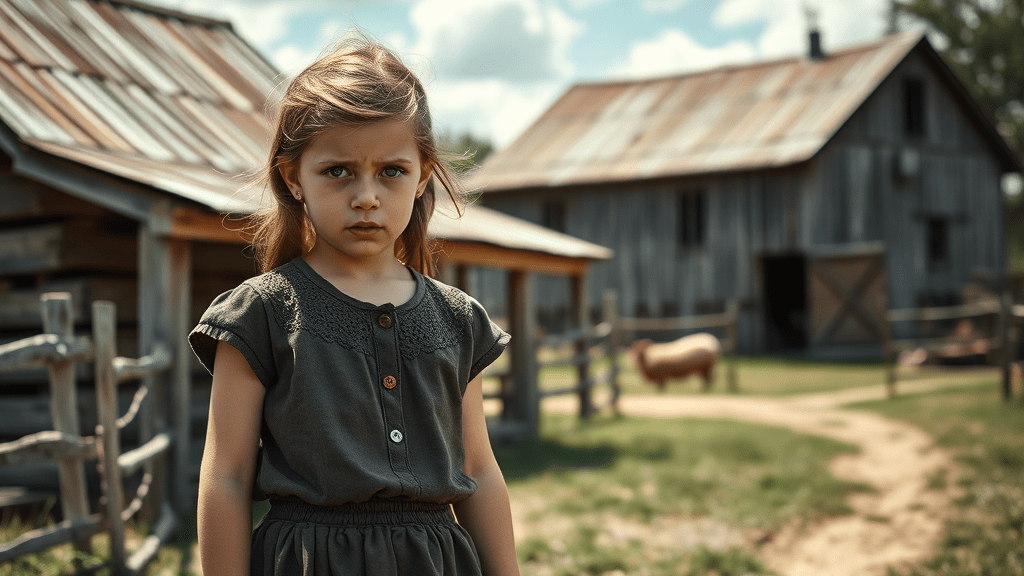
“Put the Pig Back in the Barn!” Flash Fiction by Dan Fraleigh

As children we can often recall that pinnacle moment when the power between the child and the parent shifted. For some of us, it has never happened, but for those who can recall that place and time it is often revered as life changing. 

My mother’s father, Lorne Brennan, was a tortured man. He decided to trade in his lucrative career on the CP railway to acquire a small gentleman’s farm in Caradoc Township. The end result was questionable at best. What the hell was he thinking?! 

Fast forward… My mom, Mary Jo, was the 12th and last child…her mother, Ethel, was a stoic farmer’s wife…there was never a lack of food or love ..perhaps more for some than others; but every family has it’s unique dynamics.

Mary Jo was brought into the world on February 12th, 1934…it was a bitter cold morning with snow dusting the inside of the master bedroom window sills where her elder sister, Loretta, was the acting mid wife. Ethel was 42 years old and this birthing experience was not new to her, but in fairness..thankfully, it was her last. The delivery was unremarkable and Mary Jo, nicknamed MJ, was wrapped in a blanket and trotted down to the kitchen and tucked neatly into the warming oven. Ethel informed her second oldest daughter, Loretta, (already a mother herself) that she would tidy herself up and be down shortly to nurse the newborn. My mom would recall years later that her mother’s philosophy was that if MJ didn’t survive and had passed on in the warming oven Ethel would have been sad but in her next breath would have said: “we will bury her later, there are chores to be done.”

MJ’s  life was fair but difficult. She felt her mother loved her but her memory of her father is conflicted. “I was one more mouth to feed and girls were helpful, but in his mind, boys were the true asset of a troubled and aging farmer who required their manly toil on the land.”

At the tender age of nine MJ was seasoned to her father’s hot Irish temper. She recalled her dining room error when she inadvertently reached for a piece of pie before her elder brothers had had an opportunity to have a second piece…a house rule. In a split second Lorne pushed back from the table and grabbed MJ by the shoulder. On the wall in a very conspicuous location he reached for the family hickory switch. With the skill of Zorro, Lorne switched my mother’s legs until blood filled her shoes. Everyone was frozen in fear. Even her elder brothers, who were larger than life, remained firm in their chairs. A memory MJ remembers with puzzlement.

The next day her older sister (by 4 years) Elyse lent her younger sister her treasured nylons to wear to school so the evidence of her whipping would be hidden from her fellow classmates. It took weeks for the scars to mend but the emotional wound would never heal. MJ was determined that her father would never bring physical harm to her again. She was prepared to take an “eye for an eye” and she felt Lorne knew his rage was unjustified and reprehensible….but the reoccurring question was…where was her mother in all this chaos? A question that has never been answered…MJ does recall that her father never raised a hand to her mother and that her father’s rage was channeled for the most part at her and her elder sister Jean who she recalls Lorne saying: “She is not welcome here anymore.”

It was mid afternoon in late August of 1945 and MJ was home alone with her father. He was busy in the barn while she was tidying up the kitchen and washing garden vegetables for her mother who was away that sunny summer day visiting neighbours with sister Elyse. 

MJ could hear a loud commotion from the barnyard and raced out to see what was going on…to her dismay, her father was wielding a large mallet and threatening a stubborn hog that was being difficult to load on the trailer. Maybe the pig new that it was a fateful trip…Mary Jo ran between the frightened animal and Lorne..eyes locked, she firmly told him to put the pig back in the barn and if he bludgeoned the helpless creature it would be his last act of rage…MJ gave him the ultimatum..”put the hammer down, put the pig back in the barn, take it to the butcher another day!” Lorne complied without speaking a word – the sword had been drawn and for the very first time she saw fear in her father’s eyes.

Mary Jo recalls that in her heart she was prepared to kill her father that afternoon rather than see him torture the stubborn pig. And from the tender age of eleven the scales of power had shifted and their relationship would change forever. Lorne had met his match in this feisty young girl…..and her life as she knew it would never be the same. 


Dan Fraleigh resides in London, Ontario Canada. He is a real estate agent by day and at night and enjoys writing poems and stories. His writing has appeared in Literary Yard as well as Istanbul Masticadores.


If you would like to be part of the Rural Fiction Magazine family, follow this link to the submissions guidelines

Please share this post to give it maximum distribution. Exposure is our contributors’ only compensation. Don’t forget to back link to this.

Financial donations through either our GoFundMe or Buy Me a Coffee accounts will help expand our global reach by paying for advertising, more advanced WordPress plans, and expansion into more extensive Content Delivery Networks.


Image generated by AI
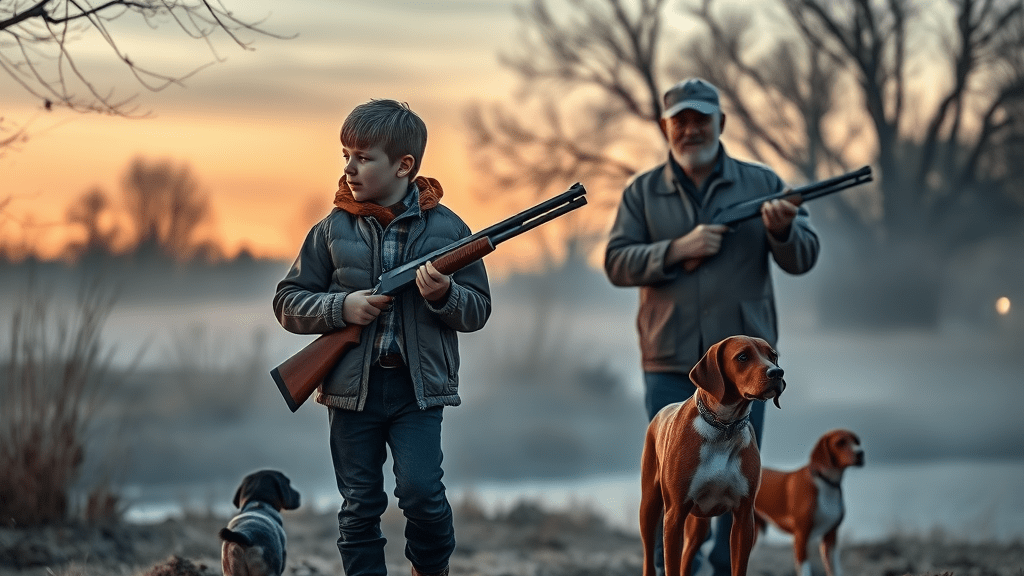
“Watching the Birds Rise” Short Story by Tom Riley

I was my paternal grandfather’s least favorite grandchild.  My father’s parents lived in Marshall, a small town to our west, and were farmers by experience and temperament, even though they lived in town and not at their farm, a quarter section of pastures and old growth woods on the chalky hills of the Missouri river valley.

My mother’s parents lived to our east in St. Louis.  As with all children who don’t yet recognize the differences in his family and others, I thought this symmetry was universal.  One had country grandparents and city grandparents.  We visited both for most holidays, and I was shipped off to both each summer, riding the greyhound bus for a week in the city or one in the country.

I find myself remembering these times more with each passing year, especially those with my Grampa and Gramma about Thanksgiving and Christmas.  As I’ve grown older, I’ve come to appreciate older things, and the rhythms and routines of rural life seemed rooted in more elemental times.  Those times feel largely lost now—life reduced to frenetic reactions to a torrent of forces we don’t control, not deep interactions with our own natural world, and I wonder if such a loss is so deep-seated that it may be recognized only in memory.   

One of my earliest memories was in Gramma’s and Grampa’s house, which sat on a street corner in downtown Marshall.  Headlights would shine into the tall windows of the bedroom where I slept and race around the top of the walls in different patterns as cars turned one way or another.   Our own house sat back from the road, so I wasn’t used to this, and I dimly recall staring at lights flickering above the bed, frightened by these apparitions, and ashamed when I eventually realized what they were.

Gramma and Grampa’s house was a Victorian filled with antiques, silver, hardwood, crystal, millwork, oil lamps, and innumerable fancy things I did not recognize but was afraid I’d break.  The house itself was so old it seemed alive, groaning with unfamiliar sounds and smells of yeast rising in the air even though Gramma’s kitchen was small, like an afterthought, next to the mudroom and backyard.  

Outside the kitchen, an apple tree, whose fruit was so tart there were always some for picking, covered the small yard next to a detached garage.  Underneath its branches was the dog pen, where Grampa’s dogs zoomed back and forth when I’d come for a visit, remembering my scent or knowing a trip to the farm would follow.  Grampa would let them out and Zero, the German shorthaired pointer, would almost knock me over with kisses, until Grampa would whistle, and she’d return to the kennel with a younger redbone coonhound in tow, whose name I don’t remember.

Then, Grampa would turn and carry my bag inside past a granite millstone and iron kettle and up the stoop to the kitchen, seemingly in just a step, while I raced to keep up. Grampa was a tall man for his age, stood bolt upright, and moved in a straight line no matter where he went.  Grampa seemed to walk not so much with determination, but with certainty of where he was headed; each step taken with the confidence of knowing where they would all end.  His long arms swung easily by his side like metronomes marking the constant rhythm of his pace.  I remember his hands the most.  Huge, with long fingers stretching from knuckles as big as peach pits, and skin course as sandpaper.  Grampa rarely looked at me, but he also rarely looked down, with all that knowledge of where he was going and how he’d get there I supposed.

When he would take me to the Homeplace, as he called the farm, which always confused me, we’d climb in his old beater Chevy truck with the dogs piled in back.  Grampa drove like he walked.  Always the same speed.  40 miles per hour on the highway out of town, as cars sped angrily past, and 40 miles per hour on the gravel road, as dust spewed violently behind us.  

Mister Porter, the farm’s caretaker, no longer lived in the small farmhouse, which sat empty next to the chicken coop and the barn with horses I’d feed apples I had picked and sometimes ride along the trails to the hills deep in country.

Grampa was not just a farmer, but also a hunter of some renown.  My dad had been too, and we would practice shooting, but I always wanted to hunt with Grampa.  It just was never the right time I guess.  So, we’d pull what was needed from their garden, or walk the back forty, or sometimes gather deadfall hardwoods after Grampa said they’d seasoned long enough.  Zero would perch proudly on top of the log pile we’d deliver to Gramma, who would light a fire and brag on what good wood I’d found.

The world was younger then, but seemed older, and as old things are ought to do, it shared its secrets most at the holidays, like the fancy dishes Gramma would haul from the musty basement once a year.  Moments of connection so powerful they sparkled above the monotone greyness of the dark seasons.

I rarely visited my grandparents over the holidays by myself, but I did one Thanksgiving.  I think someone was sick, and maybe that’s why Grampa said we could quail hunt.  I don’t remember exactly how old I was, but I know I was still the age when excitement always overpowered sleep, and I don’t think I slept a wink before Thanksgiving.  I watched the headlights circle the room until they went dark and listened to the branches of an old oak scraping the roof before the wind, too, went to sleep.

So, I was awake when I heard my grandparents moving and saw light under my bedroom door Thanksgiving morning.  I knew Grampa would never wake me, so I dressed quickly before heading down the back staircase to the kitchen.  I could smell ham cooking and hear Gramma humming softly above the popping grease; she smiled and told me to get my boots and coat so I’d be ready when Grampa was.  As I pulled on my muck boots, Gramma took the fried country ham, piled steaming slices in biscuits directly from the oven, and wrapped them in cloth napkins.  She poured a flask of coffee for Grampa and a thermos of hot chocolate for me.  When Grampa came down a few minutes later, Gramma handed each of us our sandwiches.  I was hungry, but I put the napkin in my coat pocket like Grampa did.  He grabbed his 12 gauge and my 410 and headed into the darkness and the cold.  

Zero and the redbone burst out of the pen when Grampa opened the gate.  For once, they didn’t jump on me but raced straight to the back of Grampa’s pick up and leaped into its bed.  I followed and slid stiffly onto the truck bench waiting for the heater to kick on.  The Chevy chortled to life, louder than usual, and we pulled onto the empty streets and headed toward the farm.  

I was nervous.  I liked practicing shooting clay pigeons with my dad. I knew to brace the stock against my shoulder, tracking the target through the sky, leading it slightly, and then pulling the trigger to vaporize it in orange dust.  More exciting than sitting waiting for a deer—I thought but didn’t know–because my mom wouldn’t let me shoot deer.  But, now, I would be hunting birds with Grampa.

It was still pitch black when we turned west off the highway onto gravel, our headlights bouncing furiously ahead, until swinging into the farm.  We stopped at the house for Grampa to start a fire in the franklin stove with all the kindling we could find to hand, before heading north into the land, Zero bounding ahead with us falling into a heel line behind.

I had always liked walks through the farm, where place is so deeply rooted time would bend and slow, or at least Grampa sometimes would.  But this morning seemed sharper, and I shivered in the bone cold as the hard frost cracked below our steps.

At first, we walked in emptiness, all crunching and breath, but after a while, climbing a barb wire fence and skirting cattails surrounding the far pond, the cold waned.  In the thinning blackness, fog rose from the pond like dog’s breath, and ground softened underfoot.  Feel soon gave way to sight, dimly revealing form and shape.  Twilight reflected below the eastern clouds onto the silver-tinged fields.  Most of the leaves were gone except for the oaks and sycamores.  Bare branches cleaved the dawning sky.

As we made our way to a coppice of ash, we could begin to see the colors left over from fall.  The brightness of sugar maples and sweetgums had long ago faded, and even the yellows of hickories and walnuts gathered round their trunks.  Only the rust of red oaks, burnt gold of sycamore leaves, and the ruddy green of scraggly cedars gave hue above the still dark earth.

When we descended into a hollow, a solitary cardinal song was joined by chirps of sparrows and trills of chickadees.  Further afield, we could hear the jays and crows cawing at one another —an argument that would go on until spring.

We followed a small stream winding lazily through underbrush of snakeroot below hawthorns crowded in a long draw.  Walking here was a chore, the cattle having grazed other fields, the switchgrass and bluestem, almost my height, bit as we walked, but, me and Grampa, we liked the gulleys, furrows, thickets, brakes, and untended edges of things.  They held warmth against the cold in winter like shade against the light.  So, it felt good beside the sheltered water before we pushed for high ground.  As we climbed, we chanced upon the scat of deer under a mulberry and followed their feetings in the vanishing frost over untouched hedge apples to the timber edge.

When we crested the hill, I was panting and even though Grampa was carrying my gun, I was slack tired.  But I didn’t say anything.  Grampa must have been tired too, though he didn’t look it, because he said we should sit on a downed pine log for breakfast.  With the pungent smell of pine needles rising around us and the dogs circling impatiently, we sat and ate.  I hurriedly downed the salt, buttery biscuits and ham and gulps of sweet chocolate as Grampa stared silently out across the fields where quail were roosting.  The faint daybreak shade retreated east.

Grampa loaded my 410 and handed it to me.  It felt surprisingly cold and heavy.  He said to walk ahead of him to his left with my gun facing out.  The dogs began close working a patch of vetch as we moved down from the hilltop.  

A redtail hawk screeched overhead but I couldn’t see it even in the dawnlight.  I held my gun awkwardly as Grampa whistled at Zero, who tracked toward an old fencerow below us with the coonhound holding hard behind.   I stared into the brambles piled around old posts looking for any movement.

As we closed to maybe 30 feet, Zero froze on point.  I looked back at Grampa who nodded toward the fencerow and I stepped closer, knowing he would give me first shot.  One more step.  A breath.  A snapped twig.  And the covey of quail shot from the brush, six birds erupting skyward.  

Startled, I lost my footing as I swung the 410 toward the quail now angling away.  When I regained my balance, pulled the gunstock into my shoulder, and fingered the trigger, I finally sited the quail, but they were already too far . . . sinking toward a stand of birch lining the creek in the valley floor. 

Then, I remember only my heart pounding in panic as I had not even taken a shot.  It seemed like an eternity before I could bring myself to look back at Grampa.  When I finally did, our eyes didn’t meet as he was staring ahead at the quail now far below, but he laid his hand on my shoulder.  His giant fingers now surprisingly light, and as I looked up again, I followed his gaze toward the creek where the quail were about to alight before whirring up and away again, drifting into the soft sunlight like sparks from a fire, below redtails now visibly circling overhead. Then Grampa smiled, and I knew everything was good.

I often remember that morning in that place with my Grampa.  And as my children have grown and I may have grandchildren of my own, I worry if I have such memories to give.  Maybe it’s just the years that have worn those moments smooth.  Or, maybe it is the wishful clarity afforded by distance.  Maybe, today requires more effort than I can muster to truly step outside.  Or maybe new traditions always replace old ones because nothing should stay the same.

Or maybe, there’s just nothing quite like standing chest high to your Grampa on an early winter morning watching the birds rise.


Tom is a lawyer in the small town of Fulton, Missouri.  He spends all the free time he can outside with his dogs, farming, gardening, and reading and writing about nature.


If you would like to be part of the Rural Fiction Magazine family, follow this link to the submissions guidelines

Please share this post to give it maximum distribution. Exposure is our contributors’ only compensation. Don’t forget to back link to this.

Financial donations through either our GoFundMe or Buy Me a Coffee accounts will help expand our global reach by paying for advertising, more advanced WordPress plans, and expansion into more extensive Content Delivery Networks.


Image generated by AI

“It’s a Dog-Eat-Chicken World Out There” Short Story by Michael M. Dewitt Jr.

“Pop, there are some good dogs out there, the kind of dogs that go to heaven one day, but that dog ain’t one of them.”

I said those prophetic words to my father the day he rescued the troublesome stray from the animal shelter—paroled would be a better word—but little did I know the full extent of the trouble ahead. The dog in question was now firmly detained inside a cage in the back of Dad’s pickup as we drove to deal with his latest crimes. 

“I needed a good guard dog, and he keeps the foxes, coyotes and burglars away,” Pop had said that day in the dog’s defense, even as the mutt was gnawing up a good electrical cord, urinating on my tires and looking for a garden hose to eat.

  “He also keeps away the delivery man, the mail lady, and the Girl Scouts selling cookies,” I had retorted. 

Butch came into our lives rather abruptly, kind of like an ominous growth that suddenly appears on your backside, and I was itching to have him removed. Unfortunately, Pop was a lover of almost all animals. Any stray that showed up on his farm got a cot and three square meals a day, no background check needed, no questions asked. He even liked cats, that’s how bad it was.

Of course, my dog and family pet, Barkley, took up with Butch right way. He was always one to succumb to peer pressure and follow the wrong crowd. Soon, Butch had Barkley out all hours of the night, chasing skirts and cars, and hanging out with a pack of other unsavory felons. Before we knew it, all the unprotected maidens along Speed Limit Road became “great with pup.” Phone calls began pouring in from the owners of the dishonored lady dogs, demanding child support from the tramp or his owner.

Then the killings started. 

Reports began circulating around the neighborhood of missing, dead, and partially eaten chickens. For a while it was a mystery to everyone but me, but eventually one of the neighbors recorded video evidence from a home security camera and took it to the proper authorities. Sure enough, right there in black and white, was Butch, inside the man’s chicken pen with a hen in his mouth, while my idiot dog was standing there as the lookout, grinning and looking directly at the camera, his fluorescent orange collar leaving no doubt the accomplice was Barkley. It was like watching a Netflix true crime documentary where the accused gets caught red handed on tape. I made a mental note to buy him a new blue collar later in hopes of plausible deniability. 

For those of you who don’t know the frontier code of rural South Carolina, there is no mercy for a varmint that dares kill and eat a live chicken, especially a good, productive laying hen. My late Granny, bless her Southern heart, once “whupped” a chicken-tasting dog so bad that I confessed to eating the bird myself just to save him. Both the dog and I sat in church that next Sunday and took Jesus as our Lord and Savior. 

As we drove on our apology tour from angry farmer to angry farmer, from henhouse to henhouse, the county animal control officer’s warning still rang in my ears: “Shut that dog up and make amends to the property owners, or I’ll sock you with a hefty fine and have the dog euthanized!”

Even then, Pop still foolishly thought the canine criminal could be rehabilitated. But being an animal lover wasn’t Pop’s only flaw. He also suffered from honesty, with the occasional bout of good citizenship, so he willingly paid every chicken farmer for the dead birds or offered to replace their losses with chickens of his own. 

The final visit was with an old farmer everyone called Possum Pete. Possum was a neighbor no one associated with for reasons of both hygiene and reputation. He was sitting on his porch barefooted and wearing crusty overalls, a shotgun leaning against the wall behind him, waiting for us when we pulled up, dust billowing about from his dirt drive. The house was every bit of a hundred years old and in disrepair, and there was a foul smell to the place that I couldn’t describe at first. 

Surrounding the old farmhouse was the most motley assortment of ragged, run-down animals I had ever seen. There was a one-eyed calico dog, a three-legged hound dog with flies buzzing around him who may or may not have been merely sleeping, a gaunt milk cow with sagging udders and every rib in her body visible, an equally pathetic horse that needed shoeing, a pen full of the wormiest, sloppiest hogs ever to root the earth, and a small flock of mangy, free-range chickens pecking the bare dirt yard. One chicken had a broken wing that pointed almost skyward, a second had multiple pink spots of hide showing where it had been severely henpecked, and another was almost completely bald, as if Possum had plucked its feathers to butcher the animal for supper but changed his mind before throwing it in the pot. Outward appearances aside, in terms of meat on the bone you could probably butcher the whole flock and barely have enough meat for a chicken salad sandwich, and it would probably kill half of them to pass a decent-sized egg. 

“Pop, I think you’re in luck,” I whispered before we climbed from the truck. “I don’t think those sickly, scrawny chickens are worth more than a couple dollars apiece.”

“That the livestock murderer you got back there?” Possum called, reaching for his shotgun. The gun, like everything else about the place, was also an old, ragged affair, held together with wire and duct tape. “He damn sure looks like a cold-blooded chicken killer to me!”

Butch was trying not to make eye contact with the angry farmer, or stare at the free-range chickens for too long. Apparently, that dog was smarter than I gave him credit for.

“Now hold on!” Pop called back; hands raised as we approached. “There’s no need for the gun. I’ve come to make things right and apologize.”

“You’re damn right you’re gonna make things right,” Possum said, spitting on the dirty porch floor. His spittle was brown, but I don’t think he was chewing tobacco. “I talked to me a lawyer, that big shot over in Hampton. He told me that I’m owed some restitution, compensation, and maybe even some reparations. Oh, and he also said something about my emotional infliction and pain and suffering, and I’ve got some actual and punishable damages coming to me, too, or else we gonna have to take this matter up before the Supreme Court there in town.”

“Hold on now,” Pop stammered. “There’s no need to get the courts and any crooked lawyers involved. You just tell me how much you paid for those chickens, or give me a fair market value of what they’re worth, and I’ll write you a check right now. Plus, I’ll throw in a few of my best egg layers just as my way of saying I’m sorry. We can settle this whole business right now, and I promise you it won’t happen again.”

An awkward silence filled the yard of the farmstead, save for the occasional cluck of the surviving chickens and growl of empty animal bellies, as the old farmer thought this over. Maybe it was the way the sunlight struck the porch, but I could swear that Possum’s yellowish, red-rimmed eyes kind of glittered and shined with some furtive, hidden intelligence, or was that pure evil I saw there?

“Fair market value, you say?” Possum asked with a sly grin, before putting his head down in renewed grief. “Well, that scoundrel right there killed 12 of my best chickens. My show chickens, at that!”

I found it strange that Butch had killed such a large and even number of chickens—an even dozen—but I kept my mouth shut. Pop had agreed to pay for all this, so I let him handle the negotiations. My dog was merely an accomplice, as it were, not the ringleader and primary suspect. 

“Show chickens?” Pop asked.

“You know, the kind you take down to the county fair and win a blue ribbon with. Yep, six of them poor lost souls were top-dollar, full-blooded chickens with papers! Struck down in their prime! I probably shouldn’t take less than $25 bucks a head for those.”

I took another glance around the yard at the mangy animal misfits. Most of them needed feeding, doctoring, and worming, and a couple needed rescuing and rehoming. There were a few that looked like they might not survive to see sundown. That three-legged dog hadn’t moved since we got there, so I was pretty sure by then that it needed a hole in the ground. But I sure didn’t see any blue-ribbon candidates.

“Papers?” I asked, astounded. “You mean like when you have a AKC registered dog with papers?”

“25 bucks!” My father blurted, more to the point. “Right now, I can buy chickens at the market all day long for only five or ten bucks!”

“And then there’s that half dozen of my heritage chickens your monster of a dog ripped to pieces,” Possum continued. “I’ll have you know those birds were descended from The Original Chicken!”

I had a feeling that this was about to get ugly and out of hand.

“The original chicken?” Pop asked, likely afraid to know the answer.

“Yep, them chickens that your dog kilt and ate came from a straight bloodline all the way back to the very first chicken that came over here on the Mayflower and landed at Plymouth Rock,” Possum didn’t miss a beat. By then he was grinning a mostly toothless grin from the porch while trying to feign grief and outrage at the same time, which is not an easy feat. “I’m no history scientist, but I’d be willing to bet before she got on that boat that chicken used to lay eggs for the Queen of England herself! Hell, for all I know that hen might have come descended from the pair that was holed up on Noah’s Ark! My granddaddy used to have papers on all that, but you know, Sherman burned them up when he burnt all those courthouses during the Civil War, so you’ll have to take my word for it.”

“I’ma have to ask at least $50 bucks a piece for those dead birds,” Possum added solemnly, shaking his head in mock grief, “But then I still have all this mental infliction and painful suffering to deal with.”

Pop’s face was turning a shade of purple. I wasn’t sure if it was anger, stress, a cardiac event, or just the strain of doing so much math in his head. I had stopped multiplying the math out after the first batch. I was hoping that he had brought his nitro pills for his heart.  

“But if you think all that’s too much,” Possum concluded with an undisguised, unapologetic smirk, “I can stop by and see the animal control officer on my way to the courthouse.”

By the time we pulled out of the driveway, I was beginning to suspect that Pop wasn’t that much of an animal lover anymore, and shooting that dog began to look better and better with each dollar added. But knowing Pop, he would let the felon off with probation and house arrest. We drove home in strained silence for a while before Pop finally spoke, mouth full of heart pills. 

“You can’t really blame the dog, you know. Dogs are predators, carnivores, and it’s their instinct to hunt and kill and eat things. I reckon it’s the way God made ‘em. And sometimes these things just happen.”

I looked in the mirror at the dumb dog hanging his head out of the bed of the truck. Butch was almost smiling, ears flapping in the wind, happy to be alive, to see another day and probably eat another chicken. I glanced back at the dashboard to the nitro pill bottle and Pop’s checkbook that were both just a little lighter than before. 

It’s a dog-eat-chicken world out there, but somehow, I don’t think canines are the only predators an honest man has to worry about.   


Michael M. DeWitt Jr. is a multiple-award-winning journalist, longtime editor of the 144-year-old The Hampton County Guardian, author of four books, including Images of America – Hampton County, Wicked Hampton County and Fall of the House of Murdaugh, and host of the Wicked South Podcast.  DeWitt’s work has been published in print and online around Gannett’s nationwide USA TODAY Network, and he has appeared on ABC’s 20/20, CBS’s 48 Hours, Dateline NBC, and Netflix documentaries. 

  As a humorist, DeWitt’s award-winning Southern humor newspaper column, “Southern Voices, Southern Stories,” was published in newspapers from Cape Cod to northern California, and he has been a regular contributor for South Carolina Wildlife magazine, Sporting Classics magazine, and its online counterpart, Sporting Classics Daily.


Please share this story to give it maximum distribution. Exposure is our authors’ only pay. You can also help our contributors gain exposure by linking to them and to RFM’s homepage.

If you would like to be part of the Rural Fiction Magazine family, follow this link to the submissions guidelines

Financial donations through either our GoFundMe or Buy Me a Coffee accounts will help expand our global reach by paying for advertising, more advanced WordPress plans, and expansion into more extensive Content Delivery Networks.


Image generated by AI

“Jack of All Trades, Revenant” Flash Fiction by Moss Springmeyer

Nobody had seen him since the fall. After sheepherding, he’d come by Crooked Creek Ranch to bathe and leave his summer’s pay with my grandparents for safekeeping; had hooked up the field cultivator to spread and work the summer’s worth of chicken manure into a small alkali flat that was a thriving hay meadow in my grandfather’s mind’s eye; had been seen loafing and sipping on Picon Punch at the bar in the Basque restaurant in Mica; had stopped over at the Shooting Star Ranch to shine as a deft roper during their autumn branding and arranged to winter there in exchange for maintaining their tack and harness. As usual in the fall, he had scooped up his prospecting gear from the Dreaming Lion Ranch and headed south. That was the last anybody had seen of him. 

He would usually have been back as October’s warm spell, Indian Summer, was cooling, before bitter cold and deep snow were serious risks in the mountains. Here in the valley, he would set trap lines for the winter. Maybe he had sensed bad winter coming and headed south on the eternal search for gold (or golden solitude with no responsibilities), far enough south that the Sonoran desert held him, ever promising but never delivering, all winter long. But, then, he would have drifted back to the Beckworth Meadows by April in time for lambing, spring round-ups, and deep disking the vegetable gardens. Yet he did not come. People began to wonder if the early snow had caught him and the Tormentoso winter had devoured him.

Then, a very old pickup truck rattled and clattered up to the Crooked Creek ranch house and out tumbled a disreputable looking bundle with a wild bushy beard and an unkempt mane. A pick and rucksack and a fat, 6’ square object (later revealed to be a cattail quilt) spilled out after him. He straightened up, squared his shoulders, futilely smoothed the mane, strode to the door, knocked, and then bowed respectfully to my grandmother. She stood stock still, then greeted him stirring warmth with exasperation. She jerked her head sideways. Obediently, Luke walked around the house to the patio facing east.

He set a wooden stool beside the galvanized metal washtub, then placed another nearby. He began shedding fabric, furs, feathers and cattail fuzz. Even stripped down, he still sported an unfamiliar fur. There was a terrible stink, but maybe he was used to it. He sat in sunlight, absorbed in simply being. He was the scrawniest man I had ever seen.

My grandmother came out in a canvas  apron and perched on the other stool. Luke hung his head and offered her his left arm — looking close you could see that his fur was not natural, but rather involved a ruin of weirdly dark and hairy waffle-cloth long underwear. Waffle cloth is normally a light oatmeal color, with bright narrow raised edges around square hollows, the squares about half an inch on a side. But not this version. 

She looked at his arm and then up into his eyes and shouted, “I’ve never seen a man go without a bath so long that his body hair’s grown through his Long Johns!” His body hair had wound its way through the waffle cloth, encasing him in an outer skin that was both him and not him.

With firm, deft, graceful movements, she began clipping the wiry hairs down close to the cloth. Remonstrating and occasionally expostulating — I could not hear the words — she eased the first two fingers of her left hand under the cuff of the sleeve, working it a little loose. She drew out a pair of nail scissors with the right hand, slid them in, and snipped. One square of the waffle cloth was detached. Relentlessly, but unhurriedly, she worked her way around that wrist. Luke regarded it with bemusement, blew softly on his newly bare wrist, and smiled. 

She snipped and lifted her way around the next row of squares, then the next. Onward, she worked her way up from the wrist, first clipping the hairs on the outside and then working underneath the fabric. Having trimmed the hairs on the outside meant that on some of the squares,  the hairs slid through when she lifted the cloth with the scissors. Then, with a bigger scissors, she cut off the fabric. 

On the stubborn squares, she eased the nail scissors under the fabric. She snipped the hairs one by one to free the cloth.

She and Luke began to sing. In some places, the fabric disintegrated as she worked. Shadows glided from the west. Finally Luke stood, naked as a baby, the long underwear in rags about his feet, some sores and angry patches on his skin. 

Cowboys who had been moving furniture during the weekly mopping of the house’s concrete floor staggered out, carrying huge kettles to pour into the washtub. My grandmother returned to the house. Luke folded his skinny frame into the tub and sat there for half an hour. Then he grasped the scrub brush, worked up a good foam on the soap, and scrubbed — wherever the skin was whole — from the crown of his head to the soles of his feet. Then a dip to rinse. My grandmother returned, donned rubber gloves, dipped a washcloth in a bucket of clean water and carefully cleaned injuries and sores. After he toweled himself off, she set to work with the medicines. As the day waned, he was decorated, almost tattooed, with purple gentian violet and vermilion  mercurochrome on his sores and injuries, a wild and savage look, but recognizably human.

“Thank you Ma’am, Bless you for your kindness. Never again, Ma’am,” he promised. “Welcome back,” she said. “You’re a sight for sore eyes, even if not a pretty one.” They laughed.


.Moss Springmeyer strives to express the world (s) in a grain of sand. Moss’s resourceful, ageing werewolf stars in  “Fur-Break”, Spring 2024 Altered Reality (p. 16).   https://www.alteredrealitymag.com/spring-2024-issue/ . “Choirboy”  probes the glory and cruelty of a very special gift in Story Block 2, Spring 2024 The Green Silk Journal https://www.thegsj.com/current-issue-spring-.html.


Please share this story to give it maximum distribution. Exposure is our authors’ only pay. You can also help our contributors gain exposure by linking to them and to RFM’s homepage.

If you would like to be part of the Rural Fiction Magazine family, follow this link to the submissions guidelines

Financial donations through either our GoFundMe or Buy Me a Coffee accounts will help expand our global reach by paying for advertising, more advanced WordPress plans, and expansion into more extensive Content Delivery Networks.


Image generated by AI