Category Archives: Fiction

“Culleoka Kill” Thriller by C.S. Perkins

"Culleoka Kill" Thriller by C.S. Perkins

The old spring was across the road and up the hill a ways. Silas had been so excited when they first found it. It looked like a pond on the side of the hill, coming out of a small cave. Someone had put some stones around the opening of the cave like bricks. Silas couldn’t tell how old it was. Their house was new and there were only a few other houses on the road. The stones were definitely older than the houses, but no one else had lived around here before their neighborhood was built. In fact, none of the neighbors seemed to know the spring was there. Silas and his brothers were the only ones who ever went up the hill, and they found the spring by accident. Michael, the oldest, saw it first and wisely took everyone home to tell their parents.

The spring was the best thing that had happened to Silas since his family moved to Culleoka. The family had moved to Tennessee a couple of years earlier. Silas was too young to remember much of it, but they had started off in a small apartment in Columbia. It had been cramped and Mama and Daddy wanted space for the “boys to be boys.” Silas heard his parents repeat that every once in awhile, but he wasn’t sure what they meant. He was already a boy, and so were Michael and Steven. 

Michael had told Silas once that the reason they moved out of town was that something bad had happened to Mama. He said that a man had sneaked up behind her when she was getting groceries out of the car. Steven had been in the backseat and he yelled when the man grabbed Mama’s arm. That was enough to scare the man away. Mama and Daddy thought it would be safer out in the country, probably because there were barely any people out here. Silas thought that sounded better than living where dangerous strangers might hurt Mama again.

Their road felt like it led to the middle of nowhere. Right next door to their house, there was a cow pasture. Silas and his brothers slipped through the barbed wire sometimes to look at old cow bones under a tree. He didn’t like seeing the ones with the horns, and he really didn’t like it when Steven told him the cows had been eaten by a monster. Their road went past the cow pasture, up a hill, and into the small town of Culleoka. It wasn’t much of a town. Silas knew that Michael and Steven went to school there, but Silas was still too young and stayed home with Mama. He had been to the post office to mail a letter to grandma and grandpa, but they always went back to Columbia for groceries or for restaurants or for church. 

Every now and then, Silas would ride with Daddy to a small country store for chicken biscuits or bottled Cokes. The morning they found the spring, Daddy told the boys they would all go see the spring but he wanted to get some breakfast first. Silas rode along, hoping to get a treat at the to calm his excitement. He fidgeted while Daddy slowly made his way up and down the aisles. Daddy was taking too long and Silas was getting bored. Daddy offered Silas a purple drink called Nehi, but it burned Silas’ nose when he tried it and he spat it out. Daddy laughed and set the bottle along with some potato chips and some biscuits on the counter.

The old man behind the counter asked how they were doing on this fine morning. Daddy explained they were about to set out on an adventure, mentioning the boys’ discovery. The old man perked up. He asked if their family lived down Covey Hollow Road in the new development off Highway 31. Daddy nodded and the old man mumbled something about “yankees.” Silas didn’t know what a “yankee” was but it didn’t sound nice. The old man asked if the boys had gone to the spring by themselves and then warned Daddy not to go back up there. Silas remembered a word Mama had taught him: agitated. He thought that’s what the old man was. There were snakes and coyotes, the man huffed, and caves that the boys might fall into. Daddy assured the old man that they would be careful and guided Silas by his shoulders out of the store. Silas was crushed. He thought they were the only ones who knew about the spring. Now he was worried Daddy would listen to the old man and they wouldn’t be able to go back to explore. They had just found their new treasure and now they wouldn’t even be able to enjoy it. Once they were back in the car, Daddy laughed and snickered something about “hillbillies.” Silas didn’t think that sounded nice either.

#

After lunch, the whole family went up the hill. Mama found some blackberry bushes on the way up and stopped to pick some. Silas thought it was funny how she kicked at them and then scurried away to see if any snakes slithered out. Mama hated snakes. Silas didn’t care for them either, but he hated the thorns on the bushes more. Plus, he was in a hurry to explore the spring. The blackberries could wait.

When they got to the spring, Silas was excited to see what Daddy thought. It was Daddy who told them it was called a spring. Silas didn’t know what it meant, but it sounded special. How could it not be special? He’d never seen anything like it before and it was just sitting here, right up the hill from their house. Daddy peered into the opening where the water came from. He had brought a flashlight and he shined it into the darkness. That’s when Silas thought he had first seen it.

Silas had been looking at the pond. There were tiny green specks floating on the surface of the water. He thought they looked like miniature lily pads, and there were lots of frogs around, so that made sense. The frogs hopped from the edges of the cattails that surrounded the pond into the water as Silas disturbed them. He was walking to the far side of the pond, ignoring Mama as she told him to stay next to her. Daddy finally shouted at him, which startled Silas and made him look up. There, behind Daddy, in the hole, Silas caught just a glimpse. Daddy stood up and the light moved away, so Silas wasn’t sure.

After being threatened with a spanking, Silas moved back to stand next to Mama. Michael had started to crawl into the hole, crouched down and walking like a duck. The hole was big enough that Silas probably could have walked into it without bending over, but Mama wouldn’t let him. Daddy pulled up one of the dry cattail stalks and pushed it down into the water. The little green specks rippled away as Daddy drove it down. Daddy’s hand dipped just into the water before he declared he touched the bottom. That made the pond deeper than a swimming pool. Silas didn’t really want to swim with all the green specks anyway, but now he knew it was over his head. He didn’t think Mama and Daddy would let him swim, but maybe they could go fishing sometime. 

Michael was sitting in the hole about three feet from the entrance. The little stream that ran into the pond curved back to the left and out of sight. Michael told Daddy it smelled musty in there and maybe it was connected to the caves on the other side of the hill. Silas didn’t know what musty meant, and he had no idea there were caves around. The old man at the country store had mentioned some, and now it seemed Michael knew about them, too. They had spent the night in a cave one time with their church group. Silas remembered getting his shoes stuck in the mud and then someone telling a scary story about the devil chasing someone in the dark. He did not like caves and hoped the spring had nothing to do with them.

Silas suddenly had a bad feeling. Since they discovered the spring, all Silas could think about was getting back to it. He had worried it would somehow be taken away from him, but remembering the scary story from the cave and seeing the strange thing in the back made him worry. Now he wanted to get far away. He wanted Michael to get out of the hole. He started crying for Michael and even surprised himself about how worked up he was. Mama tried to calm him down and Michael just stared at him. Daddy snapped at Michael to move and said it was time for everyone to go home. Mama picked Silas up and as he sniffled, he knew his brothers were mad that he made them all leave. They walked away single file, Daddy in the front and Mama in the back carrying Silas. She cooed softly and brushed the back of his head, which always made him feel better. He peered over her shoulder as they walked. He saw it again. There was a something looking out from the back of the hole. Silas could see the eyes.

#

Silas knew Mama and Daddy would be mad. They had told him was never to go to the spring by himself, but he had to get another look. It was only for a minute, but Silas was sure he had seen eyes. When Daddy’s flashlight moved toward the back, the eyes had shined back at them. Like a cat’s, but different. The neighbors had a cat and Silas saw it under the car when they pulled in the driveway at night. These eyes looked bigger, though. Silas had thought about those eyes for the rest of the day. He couldn’t imagine what sort of thing had eyes like that, even after trying to draw them with his crayons. The color wasn’t right. Neither was the shape. The more he thought about them, the more he had to know. He had to see those eyes. He couldn’t help it. He couldn’t think about anything else. Silas was pretty sure those eyes had seen him.

Silas had asked Mama to take him back to the spring, but she had told him they could go again tomorrow. The eyes might be gone by them. Of course, Silas didn’t tell Mama about the eyes. He didn’t tell anyone. He had a special feeling about them. He couldn’t really describe it. He needed to see them. He had a burning feeling in his chest and he knew seeing the eyes again was the only way to make it stop. Still, sneaking out in the middle of the night was sure to get him a whoopin’ when Mama and Daddy found out. They always found out, too.  Silas wasn’t even allowed to cross the road, but no one saw him this time.

It was hot outside, and the crickets were making a racket. Silas hated sleeping with the windows open because of the crickets, but they were even louder outside. He ignored them. Silas walked through the grass instead of the driveway, worried that the gravel would make too much noise and wake up Mama and Daddy. When he got to the ditch, he looked both ways like Mama taught him. No headlights. No cars. He crossed to the ditch on the other side of the road and started up the hill. The moon wasn’t full, but it was bright enough to see their path from earlier. Silas made sure to take a wide berth around the blackberry bushes so he didn’t wake up the snakes.

Silas looked back over his shoulder and saw a light come on in the house. Someone was up. Soon more lights flicked on. He was caught, but he still had a few minutes before they figured out where he was. He walked faster until he reached the cluster of cattails around the spring. He pulled the flashlight out of his pocket and jumped as heard the screen door slam in the distance. Silas’ flashlight was not as big as Daddy’s, but it fit his small hands better. He turned the light on and heard Mama yelling for him. Daddy’s voice joined hers and Silas knew he had to hurry.

He carefully made his way around the pond, the way Michael had done earlier, and over to the opening of the hole. Silas was nervous, but he didn’t feel scared like he had before. He shined the light on the stones around the opening. He wondered who else knew about the spring, who would have put the stones there like that. Silas shook his head. He wasn’t here to look at the stones. He crouched down like Michael had, then remembered he could probably fit. He stood back up, keeping the light pointed at his feet. The hole was in front of him, just darkness. No eyes. Mama and Daddy were getting louder, closer.

Silas took a big breath and slowly raised the flashlight as he stepped forward. There was the little stream bringing the water. There was a frog, splashing into the water to avoid the harshness of the light. There was wet rock at the back of the hole, and Silas remembered the curve of the hole. He moved his light slowly, following the curve, further and further.

Nothing. 

There was nothing there. Silas started shaking with fear. Not fear of the eyes or the darkness. He was scared about what was going to happen when Mama and Daddy got there. It wouldn’t be long now. He shouldn’t have sneaked out. He was too little to be here by himself, especially in the middle of the night. His brothers would be mad, too, because now none of them would be allowed to visit the spring ever again.

Silas was almost to the back of the hole when he heard Mama. This was further into the hole than Michael had gone, so at least he had that. Mama yelled his name, and Silas whipped around.

The eyes.

It was between Silas and the opening. Between him and Mama. He couldn’t even see Mama, but he could hear her. He yelled, shrieked for her to help. The eyes didn’t move. Silas shuddered as he heard Mama ask where he was. She called for him over and over again. He yelled back, he was in the hole, he waved the light to show her. But she didn’t see him. Mama couldn’t hear him. The eyes didn’t move, but Silas could hear Mama’s voice getting further away. She was leaving.

Silas yelled and yelled for Mama to help him. He couldn’t move, though, not with those eyes in front of him. He backed up, feeling the damp rock behind him. He slipped in the little stream and fell down on his butt. The back of his pants were wet now, and he realized he’d also wet his front. Silas was heaving, not sure what to do. That’s when his flashlight flickered.

In the flash of darkness, he could still see the eyes. He could make out a little of the rest of it, too. It looked tall, somehow, but everything looked tall to Silas. It looked taller than Daddy, but then it wouldn’t be able to stand up in the hole. It had pointy ears, Silas could see them outlined by the moonlight behind it, but they looked like they were on the top of its head like the horns on the cow bones. And Silas could see something else, too. A smile. It was smiling at him.

Silas shook the flashlight and raised the beam. But it was gone. There was nothing in front of him this time. He whimpered, mostly out of surprise. Silas jumped up and ran from the hole, yelling for Mama and Daddy. He ran as fast as he could away from that place. He ran, falling over and over again as he caught his feet on the weeds and the rocks down the hill. He crashed into a blackberry bush, slowing down just enough to rip the thorns from his skin and his clothes. His arms and face stung with pain and oozed streaks of blood. Silas could see the blur of the lights at his house through his tears.

The flashlight tumbled onto the ground when it grabbed him. Silas thrashed and howled, tried to get free. Daddy shook him. Daddy told him it was okay, to calm down. Silas buried his face in Daddy’s chest and sobbed. Daddy stroked his head, but pulled his face away. Daddy stooped and held Silas’ cheeks in his hands. Daddy wanted to know where Mama was. Did Silas know what happened to her, Daddy kept asking.

#

Michael wouldn’t talk to Silas. He wouldn’t even look at him. The whole time the deputies were there, talking to Daddy, Silas wanted someone to sit with him. Michael would get up and move every time Silas got close. Eventually, he gave up. Instead, Silas sat on his knees on the couch, looking over the back and out the window toward the hill.

Daddy had spent all night looking for Mama. The neighbors had helped or stayed with the boys in the house. It was morning now, light, and the deputies were talking to Daddy about what happened. They were talking about the caves now. Silas thought they must be talking about the caves Michael knew about. They said something about a web and the caves being used during the war. Silas didn’t know which war or why they were talking about it. Maybe they thought Mama was there. There were so many people in the house and outside in the yard that Silas had no idea how long the old man from the gas station had been there. He was leaning against his truck at the end of the driveway, staring back at Silas.

Silas knew Mama wasn’t outside or in the caves. Now he knew why it had looked at him with those eyes. He knew why it had smiled. And he knew he would never see Mama again.


C. S. Perkins is an instructional designer, historian, and former teacher. He lives in East Lansing, Michigan with his wife and son.


If you would like to be part of the RFM family, follow this link to the submissions guidelines.

If you like dark fiction, you may also want to check out The Chamber Magazine.

“Snow Angels” Short Story by Kate Bergquist

"Snow Angels" Fiction by Kate Bergquist in The Chamber Magazine

In the space between heartbeats, Lacy Bonner decided to run away. As she gripped a cup of dark roast, all fifteen years of her life, lived in a Holtsville, New Hampshire trailer park, nestled mountainside near route 93, itched like coffee grinds in her throat. She coughed, listening as Paul asked her to go to Rhode Island.

Sitting in his old Chevy Silverado, parked in front of Moby’s Diner, she sucked in the cold February air, feeling it leave a sliver of frost in her lungs. 

“Chuck Densen found a job for me at a paint depot in Warwick,” Paul said, waiting for her answer. His dark hair was pulled into a ponytail; it almost touched his shoulder. His eyes reminded her of Shoal Pond in winter; the blue water always visible beneath the ice, as if an internal heat source kept it from freezing over. 

She huffed on her hands to warm them. Paul bashed the heater with his fist and it moaned back to life. He turned up the radio, and Eddie Vedder’s voice filled the cab. Lacey felt the lyrics like beacons aimed at her soul: I know that I was born and I know that I’ll die. The in between is mine…I am Mine.

A cold wetness nudged the back of her neck. She turned to pat Joe, her chocolate Lab. “Don’t worry,” she said, “You can come too.” Joe had been her shadow ever since she led him from her mother’s grave two months earlier. 

Marilyn had died during a fireball of fever. She had been getting noticeably better; after a long stay in the hospital, and two more weeks of taking care of her at home, Lacey was hopeful her mother had finally turned a corner. Her cough had subsided, she was able to keep food down. Still weak, but she had gotten up that morning and taken a slow walk with Lacey to the mailboxes near the entrance to the park, to post a birthday card to a friend. Lacey had bundled her into two coats and even wrapped a wool scarf around her face so that the cold air wouldn’t trigger the cough. Marilyn’s bright eyes peered out from behind the wrap like a mummy suddenly waking from a thousand-year sleep. She pointed to the mountain range to the east, rising above the vast Pemigewasset wilderness. “Bondcliff,” she sighed.

“You’ll hike it again, Mom. You just need to get your strength back.” Lacey felt a surge of hope. If Marilyn had a goal for the future, something to look forward to, it meant she had a desire to fight her way back to health. But it would be a tough road back. Her lungs had taken it hard. If they got to that point, though, Bondcliff’s trail was wide, and straight, and they could follow the old railroad bed, and camp out overnight to break up the more rugged section of the hike into two days.

But that night, things took a sudden, terrible turn. Lacey woke to Joe’s nervous whining and her mother’s relentless coughing. She went to her bedroom, saw Buzz piling on extra blankets; Marilyn was shaking beneath the pile, her teeth chattering out a percussion solo.

“Can’t warm her up,” Buzzy said, wearing a frightened look that Lacey had never seen there before. He called 911 as Lacey drew a hot bath; she poured in a heavy dose of Epsom salts. Together, she and Buzz undressed Marilyn and lifted her into the bath; she was so alarmingly thin, so light, Lacey knew she could have lifted her by herself. 

“Try to breathe in the steam, Mom. It will help.” 

Marilyn’s face was beet red and shiny. After a while, her shaking subsided and she went still. She tried to smile at Lacey. She wanted to say something. She was so weak. Lacey moved closer. “You’re my sweet baby girl, don’t ever forget it,” Marilyn whispered. Joe whimpered at the bathroom door. Buzzy went to the front door to wait for the ambulance. 

Lacey gripped the edge of the porcelain tub as the light in her mother’s eyes suddenly went out. That light never returned, not after all the CPR Lacey did, not even after the paramedics arrived and took over. 

Joe wouldn’t leave Marilyn’s grave. Waiting and watching, a lone sentry, he stayed there in the snow, day and night, refusing food, stubbornly refusing to be led home. “That dog’s not right in the head,” Buzzy said, but Lacey knew otherwise. Seeing Joe’s body starting to waste like her mother’s, Lacey took action. She walked to the cemetery, carrying a bulky sleeping bag, bottled water and several cold hamburgers.

She found Joe asleep on a bed of frozen flowers. Lacy unrolled her ground pad, then her sleeping bag, and lay beside him, curling her body around his. He was stiff with cold, but soon warmed in her embrace. In the morning, she awoke to find Joe licking her upturned palm. Two of the burgers were eaten, even the wrappers. She stayed with Joe that whole morning, her arm around his back, talking softly to him, explaining that Marilyn had gone away but she would always be near them. She would watch over them. She really wasn’t all that far away.

By the afternoon, he followed Lacey home.

    #

Paul raised his voice above the music. “What about Buzz?” 

Lacey shrugged, knowing that he would be relieved if she left. Buzzy was almost a stranger anyway, engaged to Marilyn for less than a year before her death. He was nice enough and everything, he was a kind man, he had loved her mother, but she felt the weight of the growing awkwardness between them; she was like a visitor who had outstayed her welcome. Marilyn sold their trailer when she met Buzz, and he owned this one. And Lacey wasn’t his kin. People would talk. She didn’t really care if they did. But there was something else. Just yesterday, he’d opened the bathroom door accidentally when Lacey was inserting a tampon. She saw his face pucker and fold in on itself, and she yelped and jumped back, yanking out the tampon as if caught in a sinful act. 

She only hoped he wouldn’t think she was leaving because of that. 

Work was so scarce these days. Most places were shut down because of the pandemic. Paul had been unemployed since the shoe factory closed. Buzzy was good at fixing things, so he still worked as a handyman, doing cash jobs whenever he could. There would always be work out there for Buzz. He would survive. People trusted him. 

Lacey’s school was all online now, but she had missed a lot of it when she took care of Marilyn. Their satellite Internet was slow and unreliable. And when it did work, Lacey would stare at her Zoom-face and wonder if that was really her. She didn’t like that face. She looked so different than in the mirror, so hollowed-out and strange.

“Is Pearl coming?” she asked, but she already knew the answer. Paul nodded, exhaling smoke through his nose. Pearl was the only complication; the one thing that stood between Lacey and Paul. Maybe their six-year age difference did too, but she never worried about that. Pearl was almost nineteen; a tall, willowy blonde with a great body and a sweet singing voice. Lacey envied her for all of it. Weeks ago, when Lacey was visiting her mother in the hospital, she also visited Pearl. 

A doctor explained to Lacey that Pearl was “pregnant with cancer.” Lacey stared at the swelling in Pearl’s belly, thinking he meant there was a tumor growing in there instead of a baby. But later that afternoon, Paul came in and cupped both his hands around the mound, his caress seductive and his eyes leaking love.

The doctors tore out a chunk of Pearl’s left breast and stared at it under microscopes. Then they told her to swallow a cocktail of pills that made her heave and puke up her insides. Her beautiful hair snapped off like brittle stalks of wheat, her skin grayed and flaked like snow. 

But Paul still loved her.

Lacey brushed her own straight chestnut-brown hair until it shown, applied a heavy amount of eye liner, swung her hips when she walked, and bit her lips to make them swell. But Paul never seemed to notice any of it. She was still his little elf, and Pearl his goddess.

#

They left that night, the back of Paul’s truck piled with suitcases and coolers. Lacey decided to tell Buzzy at the very last minute, so he wouldn’t worry about her. She was surprised by the stunned look on his face. He had tears in his eyes. It made Lacey feel guilty. Even Joe was leaving him. He would be all alone now. She hadn’t really thought about it until then. She hugged Buzzy’s right arm for a second or two, told him she would call. She had tears too. She blinked them back and closed the door behind her.

When they finally got onto the highway, Pearl quickly overheated in the cramped cab and asked Lacey to roll down the window. The wind stung like an icy slap. Pearl opened a bag full of pill bottles and flung them out – Lacey watched the pills spin like candy in the wind. “Fly away,” Pearl said, and fell into a drooling sleep against Lacey’s shoulder. Her warm belly pressed into her side. Joe snored at her feet. Paul followed the yellow lines on the road, and Lacey watched him drive.   

When they arrived at Chuck’s motel right at dawn, Lacey already missed New Hampshire. She missed the pink light reflected on the snowy mountain, the comfort of wood smoke curling into the morning sky. It was at least ten degrees warmer down here; the ground covered with just a torn sheet of snow. 

The motel was low and flat and painted gray. A squirrel skittered across the gravel. A dumpster overflowed with empty beer cans. There were a few other pickups and vans in the parking lot. Paul got out of the Silverado, stretched his long limbs and walked to the office. A curtain parted, and a fat man with a masked face stared out at them. Pearl stirred, flicked open her wide eyes and dry heaved a few times. She pulled a wool cap down over her ears. Her blonde hair blew around her face, and when she smiled, Lacey saw how beautiful she was.

Lacey watched Paul go inside, then took Joe out to do his business. He sniffed the edges of the building, lifted his leg against a fence post. He caught sight of the squirrel and stiffened, but Lacey grabbed his collar just in time. 

It seemed like an hour went by before Paul came out. He walked over, his eyes lowered. “Change of plans.” Paul stuffed his hands into his pockets. Pearl scratched at her wool cap with a fingernail. Joe leaned into Lacey’s legs, and she bent down to hug him. “The job at the depot…well, it’s not available anymore.” Paul lit a cigarette and punched out the smoke. 

“But he promised!” Lacey cried, and she hated the sound of it.

Paul sucked in a long drag, pondering their next step, his next words. “We can stay. There’s work here for you girls. And Chuck will give us the room next to laundry.”

Pearl’s shoulders relaxed, but Lacey was still on guard. There was something more. She could feel it. She kept her eyes trained on Paul, trying to read the truth in his face. “What is it?” 

Paul ground the burning butt into the snow. “No pets allowed.”

Lacey felt herself fill with rage. It wasn’t fair. It just wasn’t right! They had come all this way to start a new life. She stormed over to the office door, yanked it open and gave Chuck Densen a piece of her mind. She didn’t like him one bit. He wasn’t a nice person. She knew it the second she saw him. He lurked behind the counter, sweating, watching her with little rat eyes as she yelled at him about his dirty, rotten betrayal. He wasn’t used to being screamed at, especially by a girl, she could tell he was mad about it, he was shocked, in fact, he pulled his mask down to get some air. She wanted to leap over the counter and dig her fingernails into his jowls, and she probably would have — she was already pressed against the counter and lifting herself over it, when Paul rushed in and grabbed her by the shoulders. 

“Hey, hey, Lacey, calm down, shit, it’s okay,” and then she heard him saying something to Chuck, a rushing train of words, “not her fault, look, she just lost her mother, really, this isn’t her, she’s not like this, I’ve known her my whole life,” and Chuck screaming get her out of here, y’all get out of here right now or I’ll call the police, I don’t need no fucking lunatics in my motel!

But somehow, Paul smoothed things over. He made Lacey apologize to Chuck, and she did, but it made her nauseous and she kept her eyes downcast. Paul told Chuck that Lacey was a great cook. That was how he clinched the deal. Joe could stay in the room with them at night, and Lacey would make home-cooked meals. During the daytime, she’d keep Joe outside and away from all the guests. It was a strict no-pet policy, so Chuck was doing them a huge favor by making this exception. And Lacey really wasn’t a great cook, but she knew how to make a few things. She had started cooking when her mother got sick. Buzzy never complained about anything she made; he seemed thankful that she made the effort. 

Their motel room was small and had one window. Above them, a tiny skylight leaked long ribbons of water stains. The air was heavy with mildew and stale cigarettes. Paul pushed together the two single beds, then rolled a cot in. Lacey felt a sting of happiness in her heart. They had a place to stay, Joe was safe, and everything was going to work out. 

The next day, Pearl started working in the office. She wedged her belly behind a mountain of neglected paperwork. Paul drove off in the truck to find a job, taking Joe with him. Lacey had to clean all ten motel rooms, because the other cleaners had quit after getting Covid. She took to it with remarkable energy, determined to make everything sparkle. By three, though, she began to tire, and she still had to make Chuck’s dinner. The thought of food made her stomach growl. She stored her cleaning supplies in a bucket and walked to over to his room. She saw his car was gone. She turned the knob and the door opened.

His refrigerator was filthy. What little food remained was covered in mold. Gagging, she returned to the office. Pearl was asleep with her head on a pillow of receipts. Lacey padded around the room, searching for a cash box. When she knocked into the desk accidentally, Pearl lifted an eyelid. 

“Whatcha doing?”

“Got any money? We need to get food.”

Pearl wrestled a wrinkled twenty out of her jeans pocket. She winced as she handed it to Lacey. “What is it? The baby?” 

“No…my boob. It hurts.” She lifted her oversized sweater, and pointed to the left one. “Is it bleeding?” Lacey stared at the puckered flesh, so black and blue it looked like pulp. A gauze bandage was stuck to it, and a trickle of pus leaked out around the edges. 

“No. But we need to get you to the hospital.” 

“Nope. Never going back there. We can fix it; it’s not that bad,” Pearl said, looking at it with her phone, clenching her teeth and peeling away some of gauze. Lacey ran to the bathroom, rifled through a cluttered drawer. She found some clean bandages, tiny scissors and a pair of tweezers. She rinsed them in scalding water. Hands shaking, she returned to Pearl’s side. She took a deep breath, and snipped away the remaining gauze. Most of the stitches looked okay. There was just one leaky, swollen spot on the incision. She dabbed at the pus with hydrogen peroxide and watched it bubble up. “I think it needs to drain,” Lacey said.

Pearl reached up and squeezed the bruised fruit.

Later, Pearl smiled, her face relaxed. “You’re so lucky,” she sighed at Lacey, “yours are still perfect.” Lacey glanced down at her flat chest and shrugged. Paul was pulling into the parking lot; Lacey gazed out the office window and watched him approach, a hint of a smile on his face, Joe wagging by his side. 

“No,” Lacey said, “you’re the lucky one.”

Paul drove Lacey to Wal-Mart. She put on a clean mask, went in, and stuffed the cart with groceries. By suppertime, she’d made a respectable beef stew. Chuck grunted and took his meal back to his room. Lacey made a mental list of all the meals she knew how to make: beef stew, spaghetti and meatballs, and macaroni and cheese. Oh, and she could fry hamburgers and steak. Maybe that was enough. And there was decent Internet here at the motel. She could find plenty of new recipes online.

Things were looking up. A few days later, Paul found full-time work at a factory over in Cranston. That night, they shared a giant chocolate bar for dessert and Paul cracked open a six-pack. Lacey didn’t like the taste of beer; she drank it anyway, because she wanted to be grown up, and they were celebrating. Pearl took a small sip, then switched to orange juice because of the baby. Joe was curled up on her cot, in a deep, twitching sleep. Lacey looked out the window, at the snow blowing like lace curtains. It made her long for home. She wondered if Buzz was doing okay by himself.

The fresh blanket of snow beckoned them. They wandered outside and gazed at the dark sky. Paul popped open another beer and danced around in the parking lot. Pearl sang an old lullaby, her voice so pure and sweet. Soon the three of them were holding hands, moving in a circle, giggling and sticking their tongues out to catch the snowflakes. They ventured behind the motel, climbed a small knoll. Lacey flung herself into the snow, arms outstretched, scissoring her limbs into snow angels. Paul and Pearl soon followed, rolling around like drunken children, laughing and making out. Pearl’s cap fell off, and the snow frosted her hair like a sugar kiss. 

It was a near-perfect moment; she only wished they had brought Joe with them, so he could leap and bark and catch snowballs in the moonlight. Just as she held that image, she heard Joe barking. They rushed back to the motel, where Chuck was standing in front of their room, arms crossed, jowls flapping.
“Stay here,” Paul warned. Pearl and Lacey held back, as Chuck waved a fist at Paul. 

“That god-damn dog shit all over the room,” he yelled. Lacey ran over; seeing their door half-way open, her heart froze.

She reared back at Chuck. “You must have scared him!”

“Fuckin mutt!”

As Paul tried to reason with him, Lacey frantically searched the parking lot, calling Joe’s name. Finally, by the dumpster, she heard a whimper. “Joe!” There he was, cowering behind some boxes. She coaxed him to her, wrapped her arms around him and soaked him with her tears.

After cleaning up the mess, she decided to stay in the truck with Joe for the night. Paul said they’d be too cold out there, but she insisted. They couldn’t risk any more trouble with Chuck tonight. The temperature soon plummeted; they shivered in the cab. The full moon rose, huge and bald. Joe lapped at the frost on the window. 

“Take a walk?” Joe thumped his tail against the dashboard. Lacey pushed the blankets into a heap. She’d been using her mother’s tattered cashmere coat as an extra blanket, but now she decided to wear it. 

They hiked behind the motel, moving past the knoll and into the woods, following a moonlit trail. The snow was crisp and clean and crunched underfoot. They walked until the sound of trucks on the highway faded into a distant whine, and a soft hush of mist rose over a wide pond.

Lacey smelled pine and frost. Joe burrowed his snout into promising mounds, searching for rabbits and squirrels. They trekked on, the moon lifted its face, and Lacey thought how lucky they were to be together, sharing this special moment. 

Then — a snap of branches – a startle of wings. Lacey turned and saw a Canada goose flap into the air. 

Joe saw it, too.

He slingshot across the pond.

“Joe! No!” Joe slowed, turned, then slipped on the ice and splayed out on all fours, sliding to the center of the pond. Lacey did the terrible math: Joe was seventy pounds; the ice not nearly as thick here as it was in New Hampshire.

“Joe! Come!” He scampered to his feet, and for a moment Lacey thought he was going to make it back to her. But the pond cracked open like a silver mouth and grabbed Joe in its teeth. He whimpered as he sank, chopping at the ice with panicked paws.

Instinctively, Lacey threw off her coat and boots and tested the edge of the ice. It held her, so she got on her belly and slid forward, her arms and legs tracing reverse snow angels on the surface. “Hold on, Joe! I’m coming!” She slid ever closer to him, so close, almost there.

The ice hissed under her weight. 

Near the lip of the dark hole, adrenaline exploding in her veins, she reached out her right arm, grabbed a hold of Joe’s neck and got pulled down into the icy black. 

She surfaced to the shock of cold, anchored Joe against her body. She pushed him up and onto the ice. He slid for a few yards, scrabbled to his feet and raced to the edge, barking furiously. He howled and barked as she tried to get out, but her hands were so numb she couldn’t push herself up. She heard him barking as he crashed down the trail, and for a while, Lacey held onto hope, held onto a wide tongue of ice. 

Lacey! The moon wore her mother’s face. She felt her heart slow like a tired watch. Her elbows began to slide, and suddenly there was nothing left to grasp onto. She kicked her legs, pushed herself forward and got her torso wedged against the ice. She pushed forward, getting both arms out of the water before she started to slide again. She thought of Joe, and how he’d sit on her coat and wait for her, and that he’d be there tomorrow, and the next day, and the day after that. She wondered how long he would wait for her. She didn’t want to leave him. She didn’t want to leave Paul or Pearl, either. They were her family now. 

She needed to change Pearl’s dressing tomorrow. She wanted to hold Pearl’s baby. She wanted to see Paul’s handsome face again.

She wanted to live! But — it was so cold. She thought she heard someone screaming her name from far away. Lacey!

Lacey couldn’t believe how much it hurt. She tried to pray, but even her thoughts were frozen. She could see the words of her prayers hanging like letters on a sign. Then the letters fell away and she heard someone whisper in her ear the wind blows where it w-w-will…and her numb lips mouthed the words but you c-cannot s-see from where it comes or where it is g-going…The wind stirred the mist into a tinkle of glass flutes. You’re my sweet baby girl, don’t ever forget it. In the distance, a deep rumbling like gathering drums, a percussion of rising voices. Lacey! Lacey! Joe’s barking was getting louder. Lacey forced herself to kick her legs.  Lacey! I’m coming! At the moon’s command, the barking reached a crescendo, and then the trees joined in, lifting their branches to an orchestra of shattering ice.


Kate Bergquist has an MA in Writing and Literature from Rivier University in New Hampshire. Insurance agent by day, dark fiction writer by night, her short fiction has appeared in The Chamber Magazine and other periodicals. She finds inspiration along the Maine coast, where she lives with her husband and several old rescue dogs.


If you would like to be part of the RFM family, follow this link to the submissions guidelines.

If you like dark fiction, you may also want to check out The Chamber Magazine.
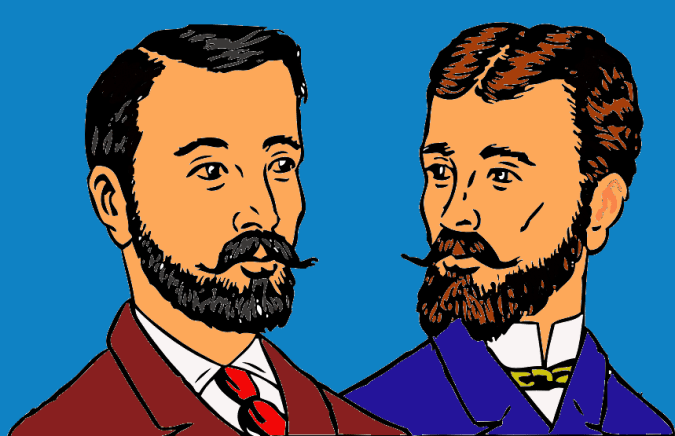
“Damn Charlie” Epistolary Short Story by Ed McConnell

Rural Fiction Magazine: "Damn Charlie" Fiction by Ed McConnell

What follows is a statement written by Enoch H. Bock, former resident of Valley Junction, Iowa. He recounts certain events which took place in Valley Junction (now known as West Des Moines) during 1898. Retrieved from a time capsule opened in 1998, this unedited document, is part of the Local History Collection of West Des Moines Public Library. 

Some experiences are remembered because they are enjoyable. Others, because they are not. This story falls into the, not, category.

    In the early spring of 1898, I graduated from the Iowa State College of Agricultural and Mechanic Arts. Returning home to Valley Junction, Iowa, I went to work in my uncle’s general store. The job allowed time for me to read the law in preparation to take the bar exam. My family was proud that I had a college degree and was studying to be a lawyer.

    Before sitting for the bar exam, I met Sadie Stageman, a young lady from Granger, Iowa. Reverend Philip Coles, pastor of the Body of Christ Apostolic Church, introduced us at the Valley Junction Spring Social. 

    When I first saw her, I stopped in my tracks. With long brown hair and a shining personality, she was the apple of every young man’s eye at the event. I was smitten, but I wasn’t the only one with a bead on that beauty. 

    Del Hyer, one of the most personable people in our town, was thunderstruck by Sadie Stageman. That evening, when Del and I took turns dancing with her, we fell under her spell. 

    Given the feeling I could not live without her, I determined, then and there, to  win her heart and make her my wife. As such, the contest for her hand, was on. While Del seemed to have the inside track. I resolved that the outcome would go my way.

    Since Sadie lived in Granger, getting to visit her was no easy matter. A trip to that town was a time consuming journey. Granger was reachable from Valley Junction by rail, on foot, horseback or a horse drawn wagon. The distance between the towns was about sixteen miles by road. 

    The rail line was the faster route. It was a straight shot north, eleven miles, until it reached the outskirts of that town. The line then turned northwest, for a mile. The depot was one block from Sadie’s house. 

    Because of the cost of train tickets, I preferred taking the road to Granger. Others suitors visited Sadie from time to time. I would see them on the road and knew where they were going, but didn’t feel they had much chance at gaining Sadie’s hand. My main competitor was Del.

    Of all the young women I met, up to that time, Sadie proved to be the most enterprising. Given the number of suitors she attracted, to see who most wanted her hand in marriage, she devised a contest.

    On the Fourth of July, at the Granger Summerfest, Sadie announced that on August 25, she would entertain a proposal of marriage. The flyer advertising the contest read, in part, 

. . . She would consider the first proposal of marriage presented. She had the final say on whether it was acceptable. Any proposal would take place on her front porch. No potential suitor could arrive at her home before eleven a.m. on that date. The contest would close when the clock struck noon . . .

    Sadie set up a committee to control the arrival of suitors that she expected in Granger on that date. She did not want a pile up of young men on her porch. To maintain order, there was a contest signup sheet. Entries closed one week before August 25. 

    Sadie set up a welcoming committee. It split into two groups. One located where the road from Valley Junction entered Granger, another at the train depot. Any would-be suitors would have their names checked against a sign up list. As it turned out, only Del and I put our names on the signup sheet. At the time, I didn’t know we were the only ones. I figured the list to be long. 

    With the rules in place, the contest commenced. People in both towns had their favorites and placed bets on who they thought would win. This whole affair was turning into great sport. Anyway, Del and I made our separate preparations to get to Granger on the appointed day. Given the stakes, neither of us wished the other well.

    I was up early on August 25 when I ran into Reverend Coles. He greeted me with, “I saw Del Hyer, in the last hour, heading out of town toward Granger. He has no horse and is trying to cover the sixteen miles on foot.”

    Surprised by that news, I was also relieved. As it turns out, the night before, my horse came up lame. I wasn’t worried, though, all I had to do was rent a horse from Bill Cookson’s stable. Hurrying over there, I encountered a sign, Closed for illness. I thought, “That must be why Del’s on foot. He can’t get a horse either.” Crestfallen, I now had to find another means to get to Granger.

    Then it occurred to me, I could get my Uncle Ike’s buckboard from the general store. I ran to the store’s loading dock. It was sitting there. Seeing him, I said, “I need that buckboard to get to Granger before noon.”

    Uncle Ike knew why and was sympathetic, but replied, “Sorry nephew, I have to make a delivery this morning to the County Home. I wish I could help. Good luck.”

    I was miserable. Del was going to get to Sadie first. He had too much of a head start for me to make up on foot walking on the road. 

    Hoping there was an early train to Granger, I hurried to our town’s depot but the train had already departed. As I stood there, wondering what to do, Charlie DuBois, a friend of Del’s, approached me. 

    People around town, called him, Damn Charlie. An incessant talker, Charlie did something every day to scare or worry the townsfolk. He would sneak up behind some unsuspecting victim. Then, either, make a loud noise or claim there was some sort of varmint about to take a chunk out of their ankle. He was quite impressed with how funny he thought his sneak attacks were. Every time he pulled one of his stunts, the object of his unwanted attention said, “Damn Charlie”. The nickname stuck.

    I knew he was going to be a pest and was not in the mood to deal with any of his shenanigans. To my surprise, though, he came up with a reasonable suggestion to help me out of my conundrum.

    “Why don’t you walk on the train tracks? It’s four miles shorter than the road to Granger and it’s almost a straight shot. I can go with you.” Damn Charlie was the last person I wanted with me on this journey. Still, his idea was a good one. 

    I was confident that I could walk over three miles per hour for that distance. At that rate, I could make the trip to Granger in under four hours, even on the tracks. I figured it would take Del more than five hours to go sixteen miles even with a head start. I looked at my watch, it was a little after seven a.m. Del’s head start would make this a close race.

    Walking the tracks would not be easy, especially as fast as I had to move. If there had been another means of getting to Granger before Del, I would have taken it, but there wasn’t any other way. 

    Checking my pocket to be sure I had the engagement ring, I stepped onto the train tracks and headed north. When Damn Charlie started to follow me I turned and said, “I prefer you don’t come along.” Pressed for time and looking at my watch, I resumed walking down the tracks. At first, he seemed to heed my request because I didn’t notice him following.

    Soon, I heard the sounds of footsteps behind me. It was Damn Charlie. I didn’t want him tagging along but I didn’t have time to stop and argue with him. Since I could not prevent him from following me, I tried to ignore him.

    We were on tracks laid across the flat Iowa prairie. As I looked ahead, the rails seem to stretch into infinity. A barbed wire fence, set fifty feet on each side from the center of the track bed, lined our route. The only breaks in the fence were for occasional road crossings. What remained was open prairie, thick with tall grasses, or farm fields full of corn or soybeans. 

    To me, it all looked the same as I pressed down the line. The only man-made features were the barbed wire fence lining the track bed and a few, randomly placed, signal marker poles indicating when an engineer should blow his whistle as crossing were approached. There were no distance or direction markers along the tracks.

    Damn Charlie was still keeping pace with me. Up to this point, he had been pretty quiet, then I heard him say, “So you’re taking the bar exam, huh? That’s gotta be hard. Shouldn’t you be home studying instead of doing this? Even money says you fail that exam.”

    I could see why people thought he was annoying. His irritating comment distracted me from keeping watch of my feet. I had to be careful as I placed my feet on the ties between the rails so as not to trip, but Damn Charlie kept talking. 

    “You’re gonna get to Granger with an hour to spare, why don’t you slow down? You’re gonna be too tuckered out to make a proposal.” Ignoring his comments, I kept walking as fast as I could go, concentrating on what I would do when I got to Granger. 

    I knew how important it was to be the first suitor to arrive. I had little doubt I would be the winner. I could picture myself making a successful offer of marriage when my concentration was again interrupted by Damn Charlie’s voice.

    “Remember, I’ve known you all my life. I don’t think you’re smart enough to be a lawyer.”

    I let that comment pass because I knew I was about halfway to Granger and needed to keep going. I had to stop paying attention to Damn Charlie but he was aggravating, not going away and he wouldn’t shut up.

    It was then his voice changed tone, it became more urgent, downright dire. All I heard was, “Watch out for that bull snake by your foot.”

    I’m afraid of any type of snake. Knowing bull snakes can deliver a nasty bite, I jumped in the air hoping not to step on that earthly representative of the Devil. Landing, my left foot caught a gap between one of the ties and the crushed limestone filler. I twisted around, causing me to stumble and fall. 

    I don’t recall much of the next few minutes. Given the lump growing on the side of my head, I must have bumped it on one of the track rails. I wasn’t down long, but when I got up, Damn Charlie was running, as fast as he could, ahead of me, down the tracks. He was getting farther away from where I was standing.

    I thought, “There was no snake. It’s another of Damn Charlie’s tricks. That fool must think he can propose to Sadie if he gets to Granger first. I’m not letting that happen.” 

    I was still a little dizzy. I didn’t want to run, but figuring it would get me to Granger even quicker, I took off after Damn Charlie. I raced down the tracks trying to catch him.

    With effort, I overtook him and started to pull away. I was happy to be leaving Damn Charlie and his tricks behind. After some more time passed, I could see the town ahead. I was pretty sure I was arriving ahead of Del. 

    As I approached the train depot there was a crowd waiting. It had to be the welcoming committee. Excited that I got to Granger first, with raised voice, I said, “I made it. I’m here.” Reaching into my pocket, I pulled out the new, shiny diamond engagement ring. I started waiving it and was yelling, “Get me to Sadie’s house right away.” 

    The eyes of the crowd focused on me. To my surprise, Reverend Coles, stepped forward out of the assembled gaggle of people. With a curious look on his face, he asked, “Son, why did you come back? Why aren’t you in Granger?” 

    Confused, I looked around, then felt sick. I recognized every building and most of the people. It was then I realized the terrible truth, I was back in Valley Junction. Damn Charlie tricked me into turning around. Del must have sent him to keep me from getting to Granger first. 

    As I stood there, I thought, “Right now, Del is probably on one knee proposing to Sadie.” Standing in the crowd at the Valley Junction depot, I must have looked like someone stole my horse.

    From across the street, standing on the steps of the Frontier House Hotel, I could hear the late arriving, Damn Charlie DuBois laughing. He played his role well.

###

Not long after, Sadie and Del’s engagement announcement hit the papers. It was then I began to think about marriage to other eligible young women in the county. 

    I had taken and passed the bar exam in September and had set up a law office in Valley Junction. Considered an eligible bachelor and quite a catch by the townsfolk, I thought finding a new girl would be easy. It was then I remembered Sadie had a younger sister of marrying age, Bessie. I thought her attractive and would make a good wife.

    One fall day, while contemplating whether to ask Bessie to a church social, I saw an article in The Granger Gazette. The headline read, “The Wedding of Miss Sadie Stageman and Mr. Del Hyer.” The paper described it as “the social event of the year.” 

    According to the paper, “Miss Stageman, now Mrs. Del Hyer, wore a flowing white gown with a garland of baby red roses. Mr. Hyer, wearing a black top hat, gray, double breasted vest and a black tailed tuxedo, cast an adoring gaze at his new wife.”     

    The paper went on to report that, “Mr. Charles DuBois of Valley Junction was the best man. Miss Bessie Stageman, sister of the bride, was the maid of honor. Each looked resplendent in support of the newly minted husband and wife.” The Gazette even mentioned that Mr. DuBois and Miss Stageman hit it off so well “there are rumors he has started sparking her.”

    Upon finishing reading that news item, all I could say to myself was, “Damn Charlie.”

Enoch H. Bock

Valley Junction, Iowa

November 14, 1898

End Note:
Damn Charlie is an adaptation by Edward N. McConnell from the original story by Ambrose Bierce, Mr. Swiddler’s Flip-Flap, first published in “Fun” (London), August 15, 1874; Reprinted as by “B” in “The Wasp” (San Francisco), July 7, 1882. The works of Ambrose Bierce are now in the public domain. See also, “Index of the Project Gutenberg-Works of Ambrose Bierce”, Compiled by David Widger, Release date, February 1, 2019. gutenberg.org


Edward N. McConnell and his wife, Cindy, own McConnell Publishing, LLC. Their first project was to publish a short story anthology, Where Harry’s Buried and Other Short Stories, now available on Amazon Books. In addition, to date his work has appeared in Literally Stories, Terror House Magazine, Mad Swirl, Down in the Dirt, Rural Fiction Magazine, The Corner Bar
Magazine, Masticadores India, Drunk Monkeys, The Milk House and Refuge Online Literary Journal. He lives in West Des Moines, Iowa with Cindy.


If you would like to be part of the RFM family, follow this link to the submissions guidelines.

If you like dark fiction, you may also want to check out The Chamber Magazine.

“Bodies Bent with Work” Short Story by Steve Sanko

"Bodies Bent with Work" Fiction by Steve Sanko in The Chamber Magazine

Odours hover low in the arena, pungent with nervous urine; horse, cattle, sheep, any beast that can realize a profit. The auctioneer’s repetitious phrasing rings shamelessly to those listening and tedious to those who are not. His timing neither falters nor retires. He cannot allow himself to appear uncertain; not to his earnest buyers he can’t. That is the nature of his task.

 The auctioneer might well have been pitching caskets to corpses as far as I am concerned.  I am neither earnest nor a buyer and his ‘oo’ll gi me 40, 40, 40’ sounds like an engine missing far down the road. Today I am consumed by misfortune. That’s why I came to the sale barns. I didn’t want to bear the weight alone.

The same work bent bodies are here today as with every sale, some to buy, some to neighbor and sip coffee. Men and women that bend their bones with beasts’ work, can feel legitimately idle for a couple of hours. They lean the rail with their forearms, fingers laced, heads stooped from familiarity with strain; mighty workers clad in farm garb. 

I was leaning. I was leaning next to a neighbor whose great bent hands and work worn frame declared his right to be leaning as well. The Guthrie’s persevered as a cow/calf operation in spite of owning good bottom land, north of the assumed limits of good Ontario farmland. He and his wife Violla were stockmen not land tillers. He stood pushing his finger at the tear hole of his cup. I expect he had seen the worry in my face and needed a detour for his eyes. He could see that I had been bit by our neighbor’s trouble.

“See anything you like, Elmer?” I ask to let him off the hook.

“Sellin; not buyin.” He says and he draws involuntary circles on the lid. We stand awkwardly for what seems too long, knowing that there is a question that needs asking. 

“You heard?” He asks. I sense he hopes I have not. 

I acknowledge his question with a nod but have a gnawing one of my own. Why I am so spooked by this tragedy. This isn’t the first-time injured beasts had to be put down. Every guy here probably had to do it himself at one time or another. But that business. That was the saddest waste of animal flesh I had ever known. Those poor horses. Ran full out, probably for the first time; ran until they perished. I had gone over every possible reason why and not one of them offered any comfort. The reason I had suspected was hard to swallow. 

Guthrie twisted himself so he was facing me full on. He was still fingering that cup.

“You were there?” He asked it and raised his eyes till they were fused on mine, retiring yet persistent.

“No. Not me. You?”

“No. Walker told me.”

I scanned the men abreast of Guthrie, searching for Walker, as if that was going to settle anything. I watched Guthrie study me.

“Hell of a thing…” I said. “…just to bolt like that, full out.”

Guthrie made a spitting noise. “It would have only taken one of them to start.”

I listened to Guthrie’s explanation. I could see he had made his sense of it.

“Just bolted.” I repeated. “Ran clear to the swamp.”

Guthrie reached to an inside pocket. His hand emerged holding a small bottle. Under the cover of his coat, he tipped the bottle into his cup. He made a gesture. I waved the offer away.

“Those animals never saw anything like open spaces before…” Guthrie’s tone was looking for blame. “not in the years I knew Able to own them. They were either hitched and working or corralled in that shoebox paddock.”

Guthrie was probably right, but still, Able hadn’t been in the ground long. A dead man can’t answer to insinuations.   

“You ever keep horses?” Guthrie asked. He was implying, that if I had, I’d know. 

  “I’ve never taken a notion to want a horse.”

He looked to me as if there should be more.

“No need of horses.” I answered. “As a pet maybe but I wouldn’t want to find myself here selling a friend. Would you?”

Guthrie sniffed a brief laugh at my logic.

A big strawberry roan mare got led out into the ring. She looked like somebody flung red paint at her white body through a sieve. Striking. She held herself proud and bobbed and shook her head in protest. The auctioneer began his trill and I could read the worry in that animal’s lines just as Guthrie had seen it in mine. 

Able’s team had spent a lifetime in the company of soulless drudgery, no indulgences, no pasture land to kick up and play. They bolted out of the sheer joy of it; an opportunity they’d never known.  That’s what I convinced myself happened.  That’s what made it unpalatable. It’d be like watching fledglings getting picked off by predators on their first flight. Turn a guys’ guts just thinking about it.  

Every day Able would hitch his team and they’d draw whatever he had been hired to haul and when he was done cooling them down, they’d be confined to that small paddock, only spitting distance from the comings and goings of the road. Those poor beasts could only witness the world’s disposition: passing dog fights, lightning storms, kids playing on the road. Imagine it; them cut loose for the first time. They probably hit full gallop in three strides. Rash enthusiasm ended up a very ugly thing indeed.

It took Guthrie and I less than an hour to learn the authentic details of what happened to that team: When Able Cromptom passed from the ailments that had plagued him, his team had needed care and feeding. Able was a bachelor. Gossip had it that he had been orphaned although no one knew that for sure. That was before my time. It was agreed within the community that his team should be pastured by his neighbors until the estate was settled. It was intended to be a charitable undertaking.  We look after our own. 

Mr. Angus Brown agreed to be the temporary recipient of the team. He offered the pasture fronting on the Mallard quarter line. They were loaded in a trailer and transported. A crowd of helpers showed up, mostly for the laughing and telling of stories, unaware that they were to become witnesses. Upon being unloaded both horses became hard to handle. The gelding reared and snorted and the mare resisted the men as they removed her halter. Those horses knew something was up. Both immediately bolted. Neighbors shouted, encouraging the team to freedom. The animals took separate trails for the first time in their lives like they were rebelling against years of pointless toil. They eventually both broke the rise that led to low ground and descended out of sight.  The first sign that something had gone wrong came to the crowd on the wind. It was a dreadful sound, “Panicked whinnies.” That was how it was described. That sound got everyone running.

 Some said they had bolted because of being skittish of the unfamiliar ground. Little Jenny Brown thought the same as me. She swore she saw raw impatience in their trusting faces. Both animals were dead within thirty minutes of their release. The mare ran head on into a leaning dead tamarack and broke her neck. The gelding broke a leg in the swamp muck. There was no decision to be made over the animals’ future. It took half of that thirty minutes to fetch a rifle.

Guthrie left the auction barns forgetting to collect his earnings from the sale. Me; I thought to offer the guy who bought the strawberry mare more than he had paid. I let that thought pass.


 From a body of work that includes thirty short stories Steve has placed two pieces: ‘Hardly Worth the Telling’ with DASH, English dept., California State University, and ‘Burying Jacob Muscrat’ with the now defunct Danforth Review.


If you would like to be part of the RFM family, follow this link to the submissions guidelines.

If you like dark fiction, you may also want to check out The Chamber Magazine.

“The Contract” Short Story by Doug Jacquier

"The Contract" Fiction by Doug Jacquier in The Chamber Magazine

He was up early and well gone to his work on the farm, as always. She found the envelope on the kitchen table, propped up against the tomato sauce bottle that was already attracting flies in the burgeoning heat of the day. Well, that’s a bit romantic, she thought. Hadn’t picked that up in their limited conversations to date. She put the kettle on and added fresh tea leaves to the pot. They were both old-fashioned that way.

Sitting down at the Laminex table, she opened the envelope and began to read.

Kate (no Dear she noted)

Talking’s never been something I’ve had much use for and the only way I know what I think about anything is if I write it down.

Unless I’m mistaken, and I don’t think I am, you’d like this occasional weekend thing to become a permanent arrangement. I can see the sense in that but I want you to be clear about what that will mean for our future. Women say they want honesty in a man but in my experience they don’t really mean it. Now’s as good a time as any to find out if you’re different. 

I don’t want to marry you but I do want to spend my life with you. Instead of getting rubber-stamped by the Government or the Church, we’ll have this contract and we’ll have each other’s word that we’ll stick to it. Without that, life together would be pointless. And, besides, nothing about me will ever change. There will be no negotiation.

I’ll work hard all the rest of my life to keep a roof over our heads and put food on the table. You will be responsible for the household. I’d prefer you didn’t work but if you do, the household mustn’t suffer. I want plain traditional food. You can eat whatever your like.

If you want children, that’s fine with me but you will raise them. I will never mistreat them but I will not coddle them, because the world will not when I’m gone. They will learn tasks appropriate to their age and take responsibility for their actions.

If you have visitors or relatives to our house I won’t be interested in talking to them. You and the children will be all the society I need except for necessary business arrangements. 

We will continue to have sex as long as we both want it but I won’t be ‘making love to you’. 

I will never say ‘I love you’. I have no idea what ‘love’ is except people say that there wasn’t much of it around in my house when I was growing up. I guess you can’t miss what you never had.

We will be faithful to each other. I know myself well enough to know that will be true for me for all time. If you are ever unfaithful to me, the contract is ended.

I will almost certainly not remember occasions such as birthdays and anniversaries and I will ignore all attempts to rope me into Xmas.

There won’t be any cuddling on the couch and watching TV and I won’t be interested in going anywhere to be entertained.

There won’t be any deep and meaningful conversations about books or what’s in the news.

You must be thinking, “Where are the good things about this contract?”

You will have financial security as long as you live. The farm produces well and is pretty much drought-proof. If I die before you I don’t expect you to keep the farm and the place will fetch a good price.

You will have children (if you want them) to love and nurture as you wish and they will grow up knowing how to be resourceful and resilient, putting them well ahead of the pack.

You will have a faithful and respectful partner that barely drinks, doesn’t smoke, is rarely ill and will stay strong for years to come.

You will live in a community that has kept its values and its connections tight and in that sense you’ll never be alone.

And we will sit on the back porch at dusk and look over our land and not have to say how much it means to us. We will know what we’ve done together and that’s enough peace for anyone.

So, if that’s a contract you can live with for the rest of your life and never reproach me or yourself for the choices you have freely made, let me know tonight. 

She put down the letter, made herself a pot of tea, took it out to the back verandah and sat in her favorite cane chair, gazing at the landscape that could be hers forever.

As Kate sipped her tea, she mulled over what he’d written, let the landscape in to her mind until the horizon was clear and mapped out how she would provide her answer.

She returned to the kitchen, poured a second cup of tea, sat at the table and began to write. She didn’t bother with a salutation; who else would she be writing too?

I’ve heard people say that honesty can be a weapon. However, in your case I think you’re using it as insurance or, at the very least, assurance that I won’t try to change you.

Life doesn’t work like that. No matter how we isolate ourselves, the world will have its way and we have to deal with the consequences. Even for people like you who don’t follow the news, either the grapevine or the bank will tell them when there’s no longer a market for what they grow or what stock they raise; at least not at a price that they can live on.

You talk about the farm being drought-proof but you know such a thing has long gone and last year was the driest on record. In that sense, I’m not assured by your promise to keep a roof over our heads and provide well for me and any children we may have. To be blunt, that’s the sort of promise I’d expect from a townie, not a farmer.

Like you, I can take or leave marriage. It doesn’t seem to have made relationships any stronger or otherwise amongst people I’ve known. The fact that you want to spend the rest of your life with me fills me with peace and hope. But I won’t have a life without love from my partner and promising to be faithful entirely misses the point.

You know I don’t mean romance novel love or love that has to keep telling itself over and over again that it exists. That would scare me even more than what you’ve proposed. However, at the very least, I would expect you to look me in the eye and tell me you love me enough to want to spend the rest of your life with me and promise to let me know if that ever changes. (By the way, the sex doesn’t need to change – no complaints in that department.)

But here’s the real rub. We (as distinct from me alone) need to decide if we’re going to have children. And if we decide we will, you will be their father in all the important ways; comforting them, tending to their needs, teaching them patiently and defending them to the death. Don’t worry, I’m perfectly happy to take on the traditional mothering roles but I’m not going to let the cold distance of child-rearing that you inherited from your father and grandfather enter my bloodline.

How you are with others is fine with me. In case you hadn’t noticed, I’m not much different. Besides, think of the money we’ll save on presents. But we will talk, especially about the important things and we will talk about them at the time it’s needed, not when it’s too late. 

I’m all for meaningful silences but when they end I want to know what they mean. 

I want this life. Since the beginning I’ve felt I’m coming home when I come here and I feel lost when I’m not. I love you and I want to spend the rest of my life with you, provided you are prepared to accept what I’ve asked for in your ‘contract’ (that word is so wrong my first impulse was to take off, forever.) If that much is too much then it says a lot about our chances of survival.

I think you will because I believe you are the strongest and most honest man I have ever met and that you have finally met the woman that you need to survive what’s coming.

You can give me your answer, face to face, when I come next weekend.

Signed, guess who?

Flynn read the letter several times over, climbed on to the ancient TD-18 International Harvester tractor with its metal seat shined by three generations of ample backsides and drove out to do some ploughing. His plan was for the concentration on straight lines to bring him the peace to think clearly about what Kate had said. What wasn’t helping was the ‘love’ part. 

His father had been a hard and harsh taskmaster and he found it difficult to recall any words of praise passing his lips. The most anyone could hope for was the odd grunting nod and a mumbled ‘Not bad’. His mother was only slightly better, with hugs disappearing by the time he went to school and a relentless ticking off of tasks when he came home. 

He understood they were hard years when they were trying to get the land into the condition that it needed to be in for long-term sustainability and there was little time for anything peripheral. And as he grew older he imagined that they thought that leaving him the legacy of the farm was, in the end, the only love that counted.

Breast cancer (deliberately left untreated he discovered later) took his mother in her late forties and five years later he found his father dead from a heart attack while repairing fences on a boundary paddock. When he picked him up, he half expected to be told to bugger off and get back to his work. Flynn made the necessary arrangements and stood dutifully solemn at their funerals, accepting condolences, but felt nothing. One day they were alive, the next day they were dead. That’s how life worked.

On his first night alone, he went through some old photos and lingered over a picture of his Mum, clipped from the local paper, holding one of her prize cakes at the annual regional agricultural show. Mum’s recipes were a local legend and she kept them, written in immaculate copperplate script, in a re-purposed school exercise book, kept from her teaching days. He decided to keep it safe, without knowing why.

Women rarely entered his mind as he continued to develop the farm, with some occasional hired help. Those he had met at school seemed weak or unapproachable. After he left school, he would see them again in town, usually either flaunting what he imagined were country town fashionable clothes or pregnant or walking along with a tribe of whining kids trailing behind them.

A couple of girls had pursued him (or his property) and once he had found himself suddenly engaged to Cheryl Clarke, not that he could recall popping the question. The next thing he knew was that has being paraded around the district like a prize bull with a ring through his nose. He hibernated for weeks before that blew over.

Then one day, when he was collecting his mail from the post office, in strode a statuesque female stranger. The coat and slacks could only belong to a city type and her long red hair hung in waves down her back. Her face contained eyes and a fixed smile that spoke of openness while still conveying concealed steel. 

Having collected her mail, she strode out again, unfolded herself into a dusty, dented hatchback and sped off. In the background he could hear fragments from the tongues wagging. ‘ … new schoolteacher  … not married … bit of a tyrant in the schoolroom I’ve heard but the kids seem to like her … asked for wine in the pub the other day… drives like a maniac’. This woman had certainly entered Flynn’s mind and he was totally uncertain as to how to deal with that.

Up until then, he’d go into town for the mail and shop at random times, when the opportunity arose between jobs. Now he found himself on schedule to be there, coincidentally, when she came into the post office. She’d started nodding to him, as country people do, but with an odd, crooked smile on her face when she did it.

Kate made the first move. Instead of nodding, she asked him ‘I’ve heard that sometimes you take animals for agistment.’ After a moment, from the side of a barely opened mouth, he said ‘What did you have in mind?’

‘I have an ageing horse that I’d like to have close at hand.’

‘One horse?’

‘Sum total.’

‘Not sure my fences are high enough to contain a horse.’

‘Oh, her fence jumping days are over. Besides, you could ride her. If you wanted to.’

They pretended to haggle over an agistment fee and then Kate said, ‘I’ll bring her up at the weekend.’

And so it began.

And now here he was, sitting on his veranda, waiting for Kate, who was waiting for an answer.

Kate’s traveling car wreck pulled up at the veranda. She emerged, climbed the steps and sat in his Mum’s rocking chair and waited.

‘Not sure where to start’, he said.

She offered no help.

Silence.

‘I love you and want to spend the rest of my life with you’ he blurted, as if fearful that if he didn’t get it out quickly his words would be strangled at birth.

Silence.

Kate smiled but said nothing.

‘About kids’, he nervously continued, ‘I want to be able to leave the farm to a next generation. I’m just not sure I’d be much good at the raising bit. You might have to give me a few tips.’

Kate laughed and said ‘I can always work with a willing pupil’. 

They watched a pair of kookaburras land in the giant redgum that dominated the front yard.

Kate’s voice softened and she said, ‘That’s settled then.’

Now the silence between them was easy.

Later, she said, ‘Thought I might make a cake tomorrow. What did you do with your Mum’s recipe book?’

Finn smiled and said ‘Think I might have put it somewhere in the bedroom. Want to help me find it?’


Doug Jacquier has lived in many places across Australia, including regional and remote communities, and has travelled extensively overseas. His poems and stories have been published in Australia, the US, the UK, Canada, New Zealand and India. He blogs at Six
Crooked Highways


If you would like to be part of the RFM family, follow this link to the submissions guidelines.

If you like dark fiction, you may also want to check out The Chamber Magazine.